
Empathy and Healthcare Service Improvement
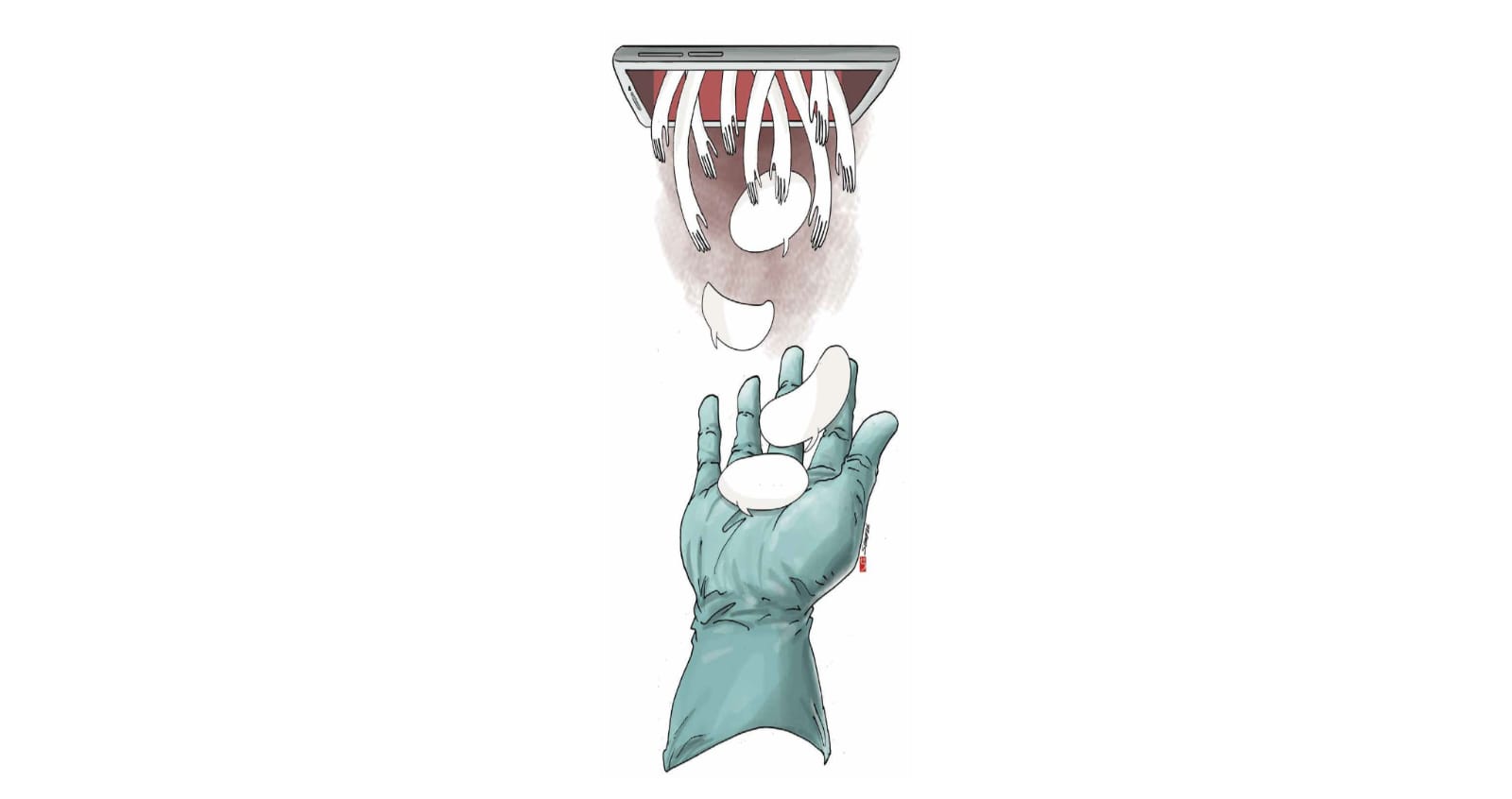
The readiness of prevention and mitigation systems to face the dry season remains a concern. The Media Indonesia edition of 7 August 2026 published an article titled ‘Empathy in Serving Patients is a Must’. It reported that on 22 July 2026, Mr Yusrizal Tri Chaerawan posted a complaint on Threads about having to wait approximately eight hours for an inpatient room. The post went viral and sparked various comments. The public then condemned the unempathetic comments made by several health workers on social media. More tragically, on 31 July 2026, Mr Yusrizal passed away. We are deeply saddened by his death; may he find the best place with Allah SWT/God Almighty.
There are two main issues arising from this incident, both of which need to be addressed. The first concerns the negative posts made by doctors and other health workers. This is clearly unjustifiable. Doctors and health workers must show empathy to patients under all circumstances, as patients are suffering not only physically but may also be under mental strain in dealing with their situation. Beyond empathy, a doctor must also possess ‘einfuhlung’, a German term meaning ‘feeling into’. This describes the ability to delve into, absorb, or share the inner feelings and perspectives of another person. In this context, a doctor needs to have einfuhlung towards the patient. Thus, a doctor does not merely examine and treat the patient, but also senses what the patient is experiencing and complaining about, and provides empathy according to the patient’s condition. It is concerning if there are doctors who lack empathy for their patients’ circumstances and do not have einfuhlung about what their patients are feeling. It must be remembered that patients complain not only about their illness but also about various circumstances related to their condition, and this must be understood and met with adequate empathy.
For this, three institutions need to play a more active role in upholding ethical values and empathy. First, professional organisations must be given wider space without unnecessary restrictions, as they are the ones who are with health workers daily in their peer groups. Second, educational institutions must instil the basic principles of ethics and empathy during training. After graduation, the educational institution no longer has a grip, so the role must shift to professional organisations. Third, health authorities, including local hospitals, health services, and the Ministry of Health. There should also be explanations to the wider public about the work of health workers in the field, what they can do, and what rules exist in hospitals that must be followed, even if they sometimes seem to conflict with service convenience.
The second issue is the patient waiting eight hours for a room. This is also unacceptable as it causes great distress to the patient and their family. There are two interpretations here. First, the patient may have received medical treatment but was still waiting for a room. Second, the patient may not have received adequate treatment and was also waiting for a room. This highlights the challenges still faced in healthcare delivery. Good healthcare service management is needed in our country so that no patient is neglected in hospital services. If this can still happen in the capital city, it is an alarm that the government must address issues of hospital infrastructure, such as the shortage of beds. Super-sophisticated equipment may be necessary, but if beds and rooms are unavailable, something needs to be fixed. The patient service system within a hospital, as well as the referral network system between hospitals, also needs improvement. The scheduling of health workers’ duties must be well managed to prevent burnout and its consequences. The number and types of staff must also be adequate. Remember, this is not only about highly skilled, internationally recognised doctors, but also about the doctors and health workers on night duty, or those working daily in crowded emergency departments or polyclinics. Furthermore, existing regulations, whether from health authorities or BPJS Kesehatan, that cause patient discomfort must be evaluated and improved.
This sad incident reminds us all to always be wise on social media. There is an expression suggesting we use several approaches before posting a message on social media: ‘think’—ensure the news is true; ‘true’—whether our post will help; and ‘helpful’—whether it will improve the situation. Also, whether our message will give hope, be inspiring, is necessary, and must convey kindness. Hopefully, the world of healthcare services in Indonesia can become more serene and harmonious. Hopefully, healthcare facilities and infrastructure can be truly available for our people. Let no one be left behind!