
Emotional Abuse of Children: The Effects That Can Last into Adulthood
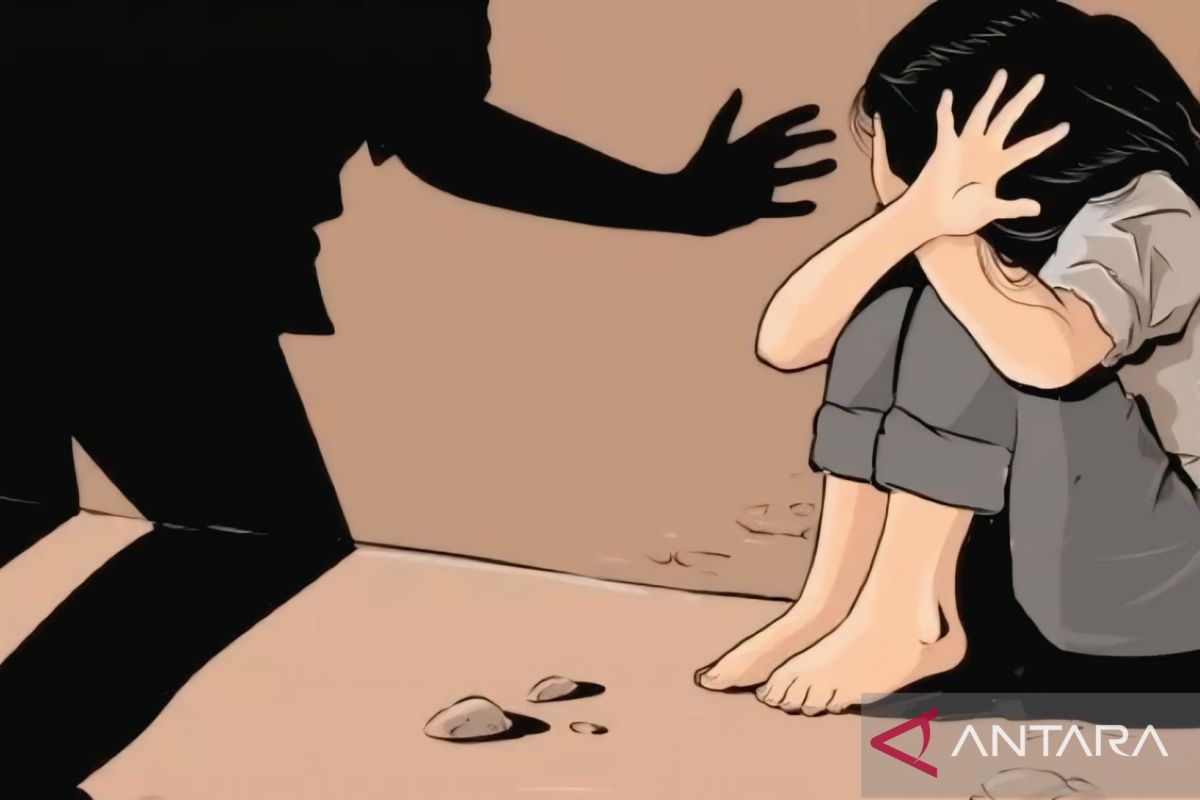
Jakarta (ANTARA) – Child abuse is defined as the deliberate and improper act of harming or mistreating someone under the age of 18. It can take physical, emotional or sexual forms, among others.
Emotional abuse is usually harder to detect because it does not cause physical injuries. It can also be passed down within families. For example, if a father emotionally abuses the mother, she may take out her feelings on their child.
Shouting at a child, belittling them, excessively criticising them, demanding more than they are capable of, insulting them and other negative behaviour can have serious effects that persist into adulthood.
Why are cases of child abuse so common?
According to data from the US Centers for Disease Control and Prevention (CDC), child abuse and neglect are widespread in the United States, with one in seven children affected.
Children living in poverty are more vulnerable to abuse. Difficult living conditions can increase parents’ stress, which may lead them to neglect or mistreat their children.
Emotional abuse leaves no visible wounds, but it can inflict deep psychological scars on its victims. It can be just as harmful as physical or sexual abuse.
Research has shown that emotional abuse can have effects as serious as physical abuse. It leaves invisible wounds, including self-doubt, feelings of worthlessness and even self-hatred.
If such behaviour continues for too long, victims may lose their sense of identity. They may come to believe the negative things others say about them, leading them to blame themselves repeatedly.
People who are abused as children can continue to experience the effects into adulthood. The trauma caused by abusive behaviour can leave long-lasting psychological scars. Some parents may continue to control and belittle their children even after they have grown up.
As adults, victims may be more vulnerable to depression, anxiety, trauma, eating disorders, low self-esteem and problems at work. These traumatic experiences can affect how a person treats others and increase the likelihood of forming abusive relationships.
Verywell Mind says victims may also struggle to build healthy relationships. Low self-esteem can make them feel they are not good enough for others, leading them to isolate themselves.
Source: jawawa.id (https://jawawa.id/newsitem/emotional-abuse-of-children-the-effects-that-can-last-into-adulthood-1793015668)
Originally published by Antara (Indonesian) (https://www.antaranews.com/berita/5812583/kekerasan-emosional-pada-anak-ini-dampaknya-hingga-dewasa), translated from Indonesian