
Emergency Funds Crucial in Uncertain Economic Times, Here's Why
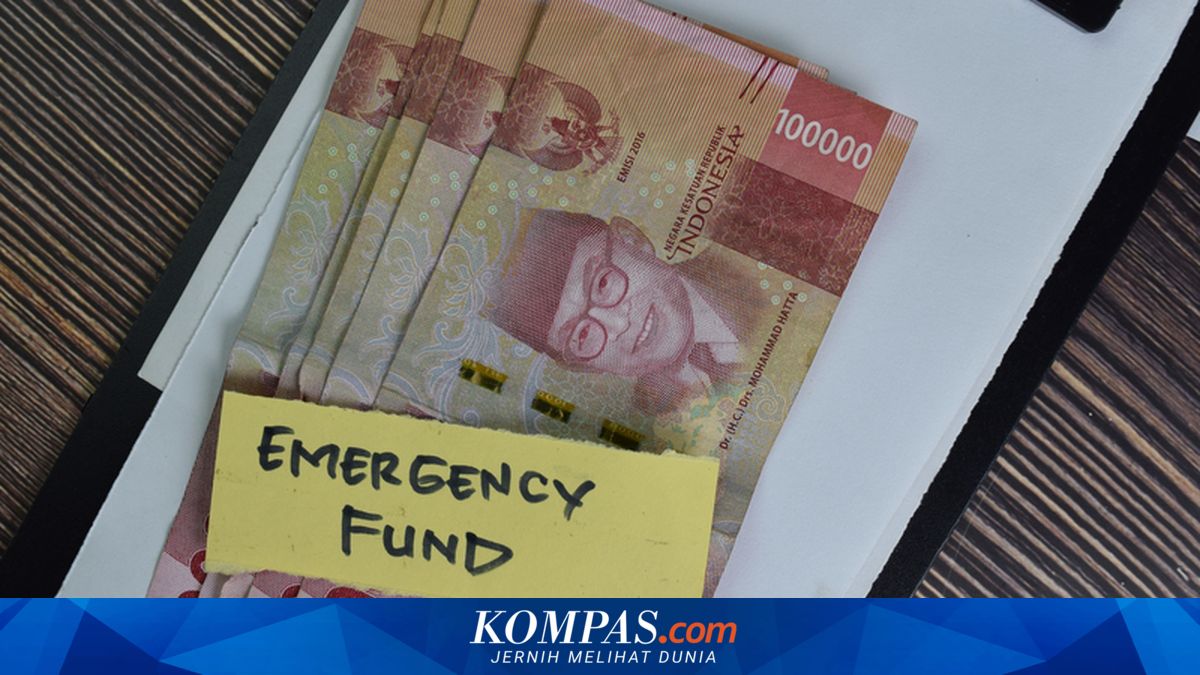
Economic uncertainty, threats of layoffs, rising healthcare costs, and urgent needs such as home or vehicle repairs make emergency funds increasingly crucial for household financial stability.
Emergency funds are a cornerstone of personal financial planning, acting as a buffer against unexpected expenses.
Without such savings, many resort to credit cards, high-interest loans, or even dipping into long-term savings to cover urgent needs.
Ideal emergency funds should cover three to six months of living expenses.
The concept of emergency funds becomes even more relevant during economic uncertainty.
When income is disrupted or sudden expenses arise, emergency funds act as a buffer to prevent immediate financial shock.
Building an emergency fund should take priority before focusing on investments or major purchases.
Emergency funds are considered the first step in establishing a healthy financial foundation.
Before investing or making large purchases, having an emergency fund in place is essential.
Emergency funds also provide financial security; during sudden crises, individuals can meet basic needs without jeopardising long-term financial goals.
The importance of emergency funds is evident when the economy slows. Reuters reports that over 20% of Americans have no emergency savings, while only 46% can cover three months of living expenses. Financial planners, however, consider three to six months of expenses the minimum standard for an emergency fund.