
Embracing a New Multipolar World
Achieving a peaceful world seems like a daydream for humanity these days. The ongoing US-Iran conflict has left the global community frustrated: economies are soaring and concerns about the future are rising. Hope for peace remains, but this aspiration is hard to realise.
Amidst this despair, the idea of a multipolar order based on multilateralism is emerging as an antithesis to unipolarity, which emphasises unilateralism. Multipolarity grounded in multilateralism is seen as a solution to the yearning for peace.
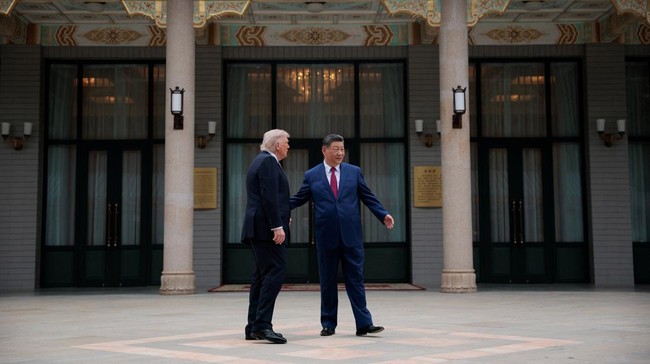
This hope was further bolstered by US President Donald Trump’s recent visit to China. The US-China meeting has opened a new chapter in great power relations, more constructive for the future of a new multipolar world.
By definition, multipolarity is a global order not dominated by one or two powers, but by three or more.
In a multipolar system, nations’ powers balance each other, preventing any single hegemon from dominating or imposing control.
The cost for a hegemon when others balance power is high. Ideally, multipolarity leads to multilateralism where nations act according to international law and shared consensus.
This vision seems idealistic. A world more inclusive and free from single domination is natural, making a multipolar order with multilateral traits eagerly awaited.
When global governance is pluralistic, optimism for peace emerges. This simple logic frames multipolarity as a new hope for peace amid current crises and uncertainty.
Practically, four conditions are needed for an effective multipolar order. First, nations must recognise equality. Second, respect for each other’s sovereignty. Third, adherence to international law through consensus, not unilateralism. Fourth, exclusive political blocs must be abolished.
In an ideal multipolar order, the world would have one universal political bloc under more democratic global institutions. If these values are ignored, multipolarity could merely perpetuate the old unipolar crisis. Unipolarity’s unilateralism—intervention, subordination, zero-sum games, exclusivity—shapes international relations.
Thus, emerging economies like China, India, Brazil, Russia, and most BRICS nations seek to change today’s unilateral order. For them, unipolarity’s unilateralism is outdated.
The world must accept that rising developing nations have redistributed global power centres. Outdated behaviours like interfering in domestic affairs, imposing subordination, zero-sum games, and political exclusivity contradict sovereignty and equality. Sovereignty means independence in internal decisions, not external intervention.
Moreover, subordination in unipolarity is a colonial relic, outdated. All nations must coexist equally.
Equality stems from recognising states not by territory, economic size, or international status, but in symmetric relationships. All nations have equal voice and recognition under international law.
Zero-sum competition in unipolarity is outdated. Amid climate and poverty crises, cooperation—not suspicion—is key to sustainable development.
Current political exclusivity only deepens divisions. The world needs unity, not political barriers. The question now isn’t whether multipolarity will replace unipolarity, but whether the new multipolar era guarantees the desired multilateralism.
It’s crucial to study the old multipolar era, particularly WWI (1914-1918) and WWII (1939-1945). Technically, the world then had more than two dominant powers (multipolar).
However, old multipolarity was marked by overlapping exclusive alliances competing for absolute dominance, making war inevitable.
This teaches that multipolar wars can be bloodier. International units engaged in fierce power struggles.
Distrust spread, mistrust shaped interactions. One side’s gain was another’s loss. Even cooperation was half-hearted.