
Elon Musk's Rocket Crashes into Moon, Evidence Still Being Sought
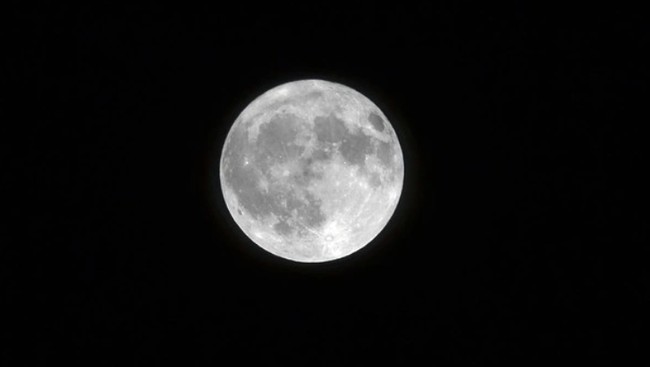
A section of a SpaceX rocket that has been drifting in space is believed to have crashed into the surface of the Moon. The impact was estimated to have occurred on Wednesday, but scientists are still awaiting visual evidence of the resulting crater.
The object is the upper stage booster of a Falcon 9, weighing approximately 4,000 kilograms and measuring 13.8 metres in length. It was launched in January 2025 to carry a privately owned lunar lander. Typically, after delivering a payload, such a booster would be directed to fall back and burn up in Earth’s atmosphere. However, this particular stage deviated from its planned trajectory after running out of fuel, becoming trapped in the Moon’s gravitational pull and slowly drifting towards the lunar surface over several months.
The impact was estimated to have occurred at 06:35 Universal Time, near the Einstein crater on the western side of the Moon. Travelling at a speed of 8,700 kilometres per hour, the collision is expected to have created a new crater between 20 and 30 metres wide and 5 metres deep, ejecting over a million kilograms of lunar dust.
No spacecraft was in a position to capture the moment of impact directly, and the resulting flash was too faint to be detected from Earth. However, the European Southern Observatory’s Very Large Telescope in Chile detected a cloud of sodium and lithium that appeared after the collision and persisted for ten minutes, providing the strongest indication yet that the crash occurred. NASA’s Lunar Reconnaissance Orbiter is now being positioned to photograph the site and compare before-and-after images to confirm the new crater.
This marks only the second time in history that a piece of human-made debris has unintentionally struck the Moon, following a similar incident involving a Chinese rocket part in 2022. Scientists say the event highlights the increasing amount of space junk resulting from more frequent launches. While posing no danger to Earth, the crash has prompted discussions about the need for stricter rules for managing spent spacecraft to prevent damage to the Moon’s pristine environment or interference with future exploration missions.