
Elon Musk's Lawsuit Against OpenAI Officially Rejected by Court
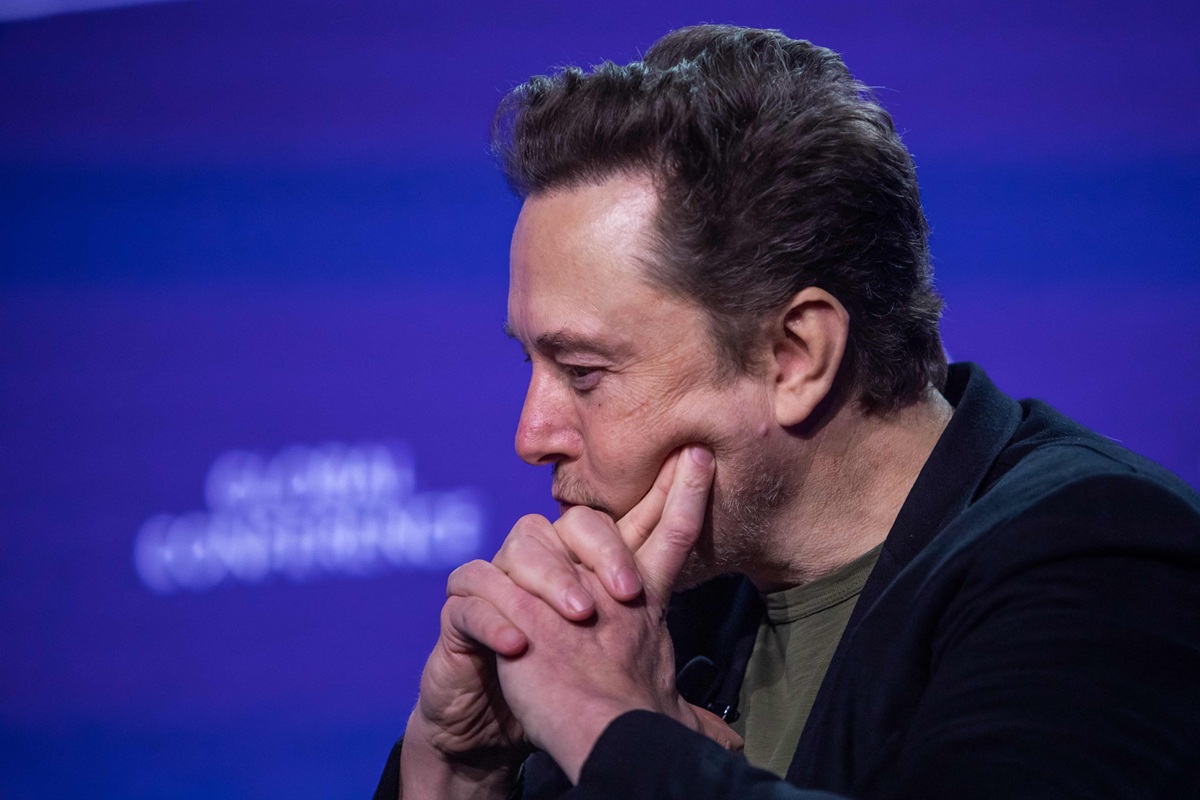
A jury in Oakland, California, has ruled that Elon Musk waited too long to sue OpenAI and its leadership. After deliberating for approximately 90 minutes on Monday (18/5), the jury declared that the lawsuit filed by Musk had expired under the statute of limitations.
Although the jury’s verdict is advisory, Judge Yvonne Gonzalez Rogers expressed agreement with the outcome. “The court now confirms its previous indication that it will accept the jury’s findings as its own,” said Rogers. “I believe there is a substantial amount of evidence to support the jury’s findings, which is why I am prepared to dismiss it immediately.”
Musk, who co-founded and helped fund OpenAI with a contribution of US$3lar38 million in its early years, sued CEO Sam Altman and President Greg Brockman in February 2024. Musk accused them of “stealing a charity” and enriching themselves when OpenAI transitioned to a structure that includes a for-profit commercial arm.
“I was foolish,” Musk stated in court earlier this month. “I gave them free funding to create a startup.”
This victory provides a significant boost for OpenAI amidst its plans for an initial public offering (IPO). OpenAI’s lawyers argued that the company’s mission remains unchanged and that Musk only filed the lawsuit after establishing his own competing artificial intelligence company, xAI. The jury agreed that Musk had been aware of OpenAI’s change in behaviour since 2021.
“The jury’s findings confirm that this lawsuit is a hypocritical attempt to sabotage a competitor,” said William Savitt, a lawyer for OpenAI, following the verdict. “The fact is that OpenAI is a mission-driven non-profit organisation that has remained and will continue to remain faithful to its mission.”
During the trial, OpenAI’s legal team revealed that Musk’s donations did not include a commitment to maintain non-profit status permanently. On the contrary, the Tesla boss had previously urged OpenAI to create a commercial entity to challenge Google and had even attempted to take control of the entity before departing in 2018.
Musk’s lawsuit sought to have OpenAI return more than US$130 billion to its non-profit arm, remove Altman and Brockman, and cancel the company’s restructuring.
The trial drew significant public attention, featuring key witnesses such as former OpenAI board member Ilya Sutskever and Musk’s company executive, Shivon Zilis. Furthermore, hundreds of pages of evidence, including private emails, diaries, and text messages between Musk and Meta CEO Mark Zuckerberg, were disclosed.
Microsoft, which is also named as a defendant due to its investment in OpenAI, welcomed the decision. “The facts and timeline in this case have long been clear, and we welcome the jury’s decision to reject these claims because they were not timely,” a Microsoft spokesperson stated.
Responding to his defeat, Musk expressed his frustration on the social media platform X, describing Judge Rogers as a poor activist judge. “She has just shared a free license to plunder a charity if you can keep the plunder secret for a few years!” Musk wrote.
Musk’s lead counsel, Marc Toberoff, confirmed that they will not remain silent and plan to appeal the decision. “This is essentially a parody, and if it were not for Musk, they would have gotten away with it, and they should not have,” To정한 Toberoff stated during a press conference following the verdict.