
Elon Musk's Fantastical Pay Package at SpaceX: Payout Only If One Million People Live Permanently on Mars
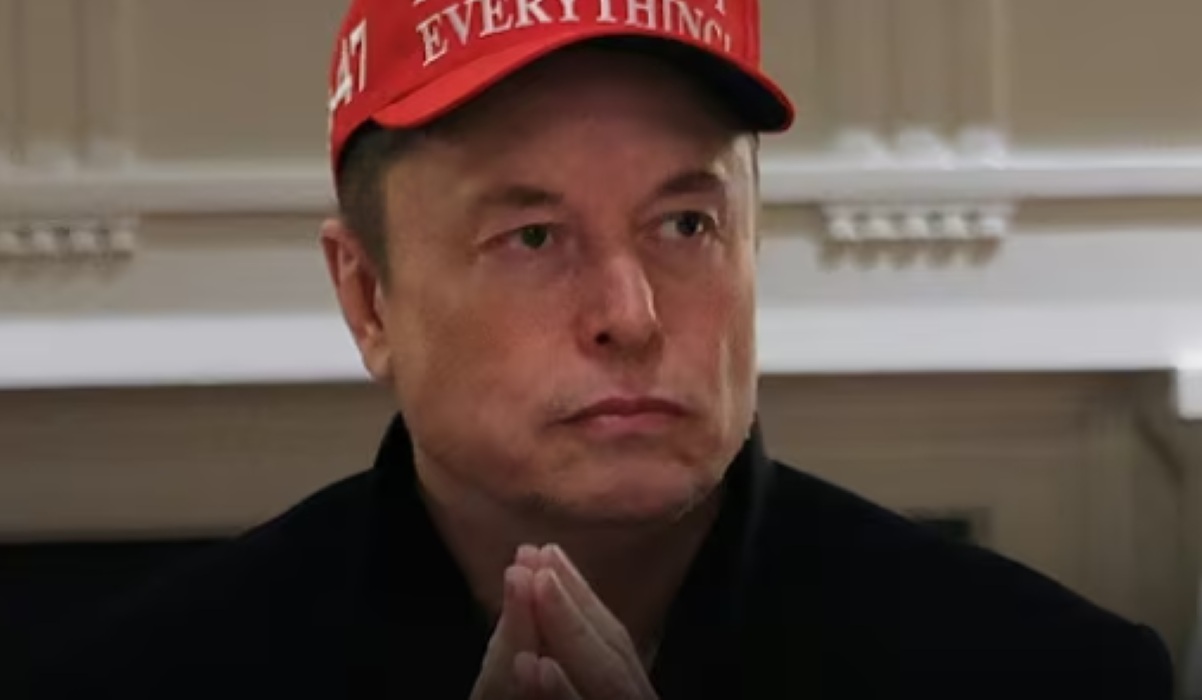
Elon Musk is once again stirring the corporate world with SpaceX’s latest compensation package, the largest in history. However, there is a highly ambitious condition: Musk will not receive the cash until one million people reside permanently on Mars.
The SpaceX board granted Musk one billion restricted Class B shares. The shares are in addition to Musk’s existing holdings of around 5 billion shares, valued at about US$700 billion based on an anticipated IPO valuation of US$1.75 trillion.
The new shares, potentially worth US$600 billion or more, would vest only if SpaceX meets two extreme conditions:
The company’s prospectus also answers Wall Street’s questions about why SpaceX pursued a initial public offering with such a unique structure. Three months before the filing, Musk merged his AI company xAI and the social media platform X into SpaceX. The deal values the rocket company at US$1 trillion and the AI company at US$250 billion.
In the filing, SpaceX states its existential vision. “For as long as it exists, humanity will live on only one celestial body: Earth. The current paradigm leaves humanity exposed to unforeseen existential threats,” the document reads. SpaceX adds, “We do not want humanity to suffer the same fate as the dinosaurs.”
The integration of xAI into SpaceX is regarded as strategic. Colonising Mars requires more than rockets; it requires advanced robotics to build habitats, produce fuel, and run agriculture in the harsh environment. Because there is a delay in communication between Earth and Mars, these robots must be operated by AI capable of autonomous operation on the red planet.
Despite the ambition, Musk’s plan has not escaped sharp criticism. Paul Sutter, NASA adviser and Johns Hopkins research scientist, wrote in Scientific American that Musk’s Mars timeline does not align with reality. He likened the plan to announcing a camping trip without buying equipment, while the car to be used is in the shop.
SpaceX claims the total addressable market (TAM) for this technology suite reaches US$28.5 trillion, almost the size of the current US economy. Of that amount, US$26.5 trillion is in the AI sector, while the space business and connectivity together account for less than US$2 trillion.
For Musk, the IPO is a means to raise the colossal capital needed to mass-produce Starship to move millions of tonnes of cargo to Mars. “It’s about believing in the future and thinking that the future will be better than the past,” Musk wrote in the prospectus epigraph. (Fortune/I-2)
SpaceX has officially filed its IPO on the US stock market under the ticker SPCX. This bold move could cement Elon Musk as the first trillionaire in the world.
A 13.7-metre Falcon 9 booster is predicted to crash into the Einstein crater on the Moon on 5 August 2026, prompting concerns about space debris.
NASA and SpaceX launched CRS-34 mission carrying Green Bone, a bone experiment made from rattan to search for osteoporosis drugs in space.
NASA accelerates Artemis mission schedule to build a permanent base on the Moon.
Its performance is described as comparable to SpaceX’s Falcon 9, able to deploy a constellation of up to 36 satellites in a single launch.