
Elnusa Petrofin's Daily Energy Distribution Equals 15 Times Around the Earth, Tanker Crew Performance Honoured
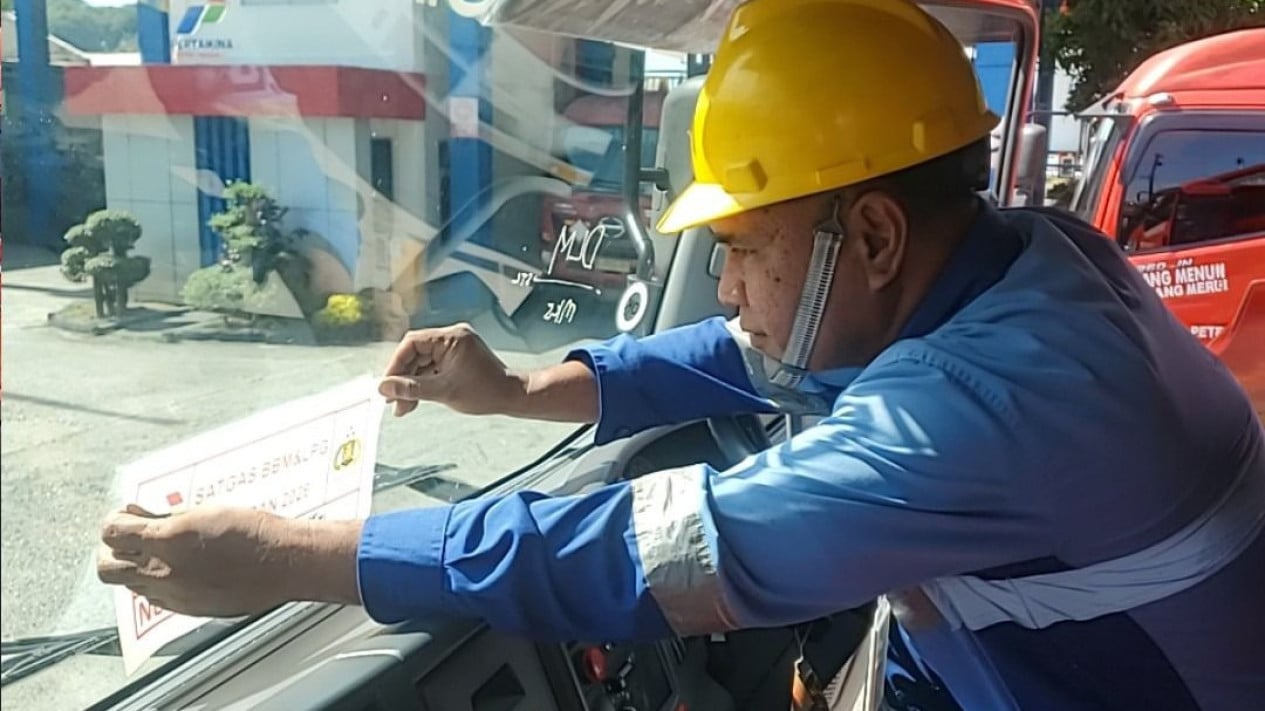
Jakarta – As an integrated energy logistics company, PT Elnusa Petrofin (EPN), a subsidiary of PT Elnusa Tbk (ELSA), has recorded an average daily energy distribution journey of more than 600,000 kilometres, which is equivalent to over 15 times around the Earth. Behind these figures lies the dedication of thousands of tanker crew members (Awak Mobil Tangki, AMT) who serve as the link between energy and public life.
To honour this, Elnusa Petrofin has given awards to high-performing tanker crews who demonstrated excellent performance during the company’s operations, including during the 2026 Ramadan and Idulfitri (RAFI) task force period. Dozens of motorcycles were presented as awards by company representatives in each operational area to outstanding AMTs across several regions, including Medan, Padang, Siak, Jambi, Lampung, Bali, Pontianak, Banjarmasin, Makassar, and Jayapura.
PT Elnusa Petrofin’s President Director, Doni Indrawan, stated that the award is a form of respect for the personnel who are on the front lines of national energy distribution every day. “Every kilometre travelled by the tanker crews is not just an operational journey, but also a journey of dedication. Behind every litre of energy that reaches the public, there is extraordinary dedication, discipline, and responsibility from the AMTs. They are present when the public rests, during holidays, and even when they must face various challenges in the field. Therefore, we dedicate this award not only to the recipients but to all of Elnusa Petrofin’s energy fighters and their families who continuously support them from home,” said Doni.
In addition, the company is providing educational scholarships for the children of the award recipients, as a form of appreciation to the families who have been an integral part of the energy workers’ journeys. The assessment process was conducted comprehensively by considering operational and occupational safety aspects. The criteria used included distribution volume, travel distance, compliance with operational procedures, and the implementation of safety culture and work behaviour during duty.