
Elephant Population in Bengkulu Under Threat, Only 25-30 Remain
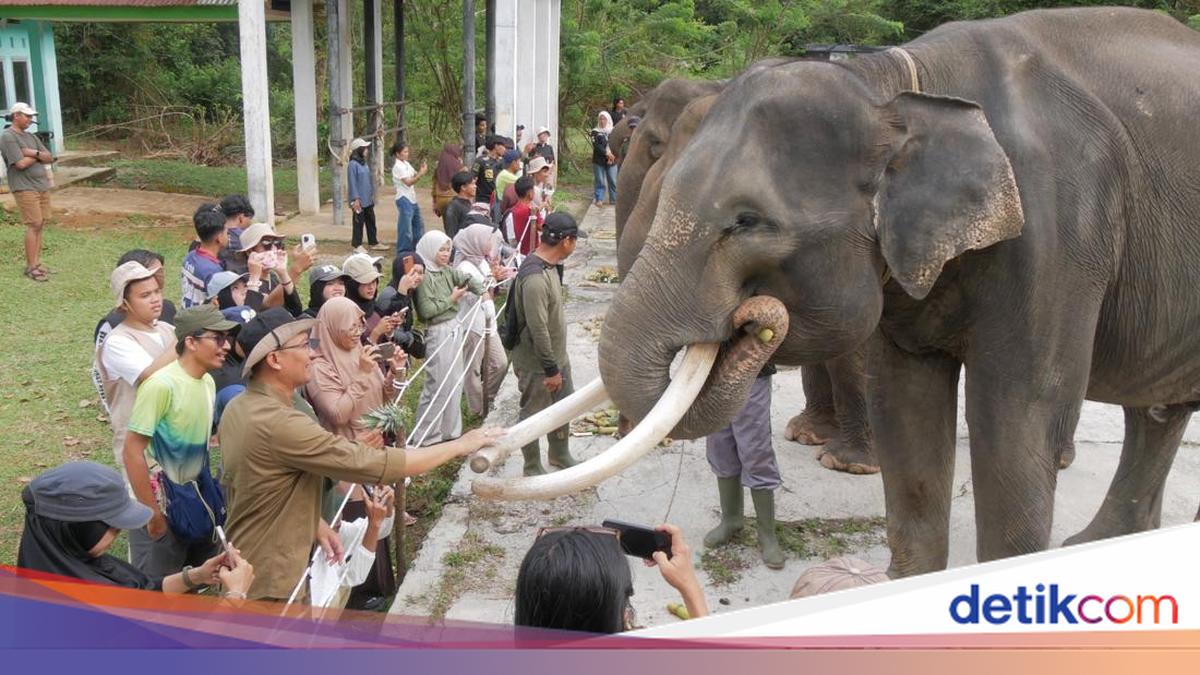
The Natural Resources Conservation Agency (BKSDA) has recorded that only 25-30 elephants remain in Bengkulu. The shrinking of their habitat is suspected to be the cause of the declining elephant population.
Head of BKSDA Bengkulu Agung Nugroho confirmed that the elephant population in Bengkulu is currently very limited. Based on BKSDA data, the number of elephants in Bengkulu is estimated at only 25-30 individuals, including managed elephants.
“The wild elephants recorded include four calves and the rest are adults. So the population is still reproducing,” Agung said.
The habitat condition poses a major challenge. The reduction in forest cover and the conversion of areas into oil palm plantations are considered to further threaten the elephants’ existence.
“If this continues, the elephant population will be threatened, and this is what we must prevent,” he said.
Meanwhile, Chair of Kanopi Hijau Indonesia Ali Akbar said the elephant population in the Seblat Landscape, North Bengkulu Regency, is currently in a critical condition. Fragmented habitat, forest encroachment and conflict with humans pose serious threats to the survival of the protected species.
“The remaining elephant population in this area is fewer than 50 individuals. This fact is a strong indicator that the Sumatran elephant herd here is at a critical point heading towards local extinction,” he said.
Based on analysis by the Seblat Landscape Coalition, of approximately 80,978 hectares of the Seblat Landscape core area, around 30,017 hectares have been encroached upon and converted into oil palm plantations.
Ali said the habitat shrinkage is further exacerbated by ongoing logging activity and fragmentation of the area, which cuts off elephant movement corridors.
“The elephant habitat in the Seblat Landscape is now in a very concerning condition. Fragmented habitat and the killing of elephants by poisoning are the main factors in the population decline,” Ali said.