
Electrification Enters the Heavy Equipment Industry
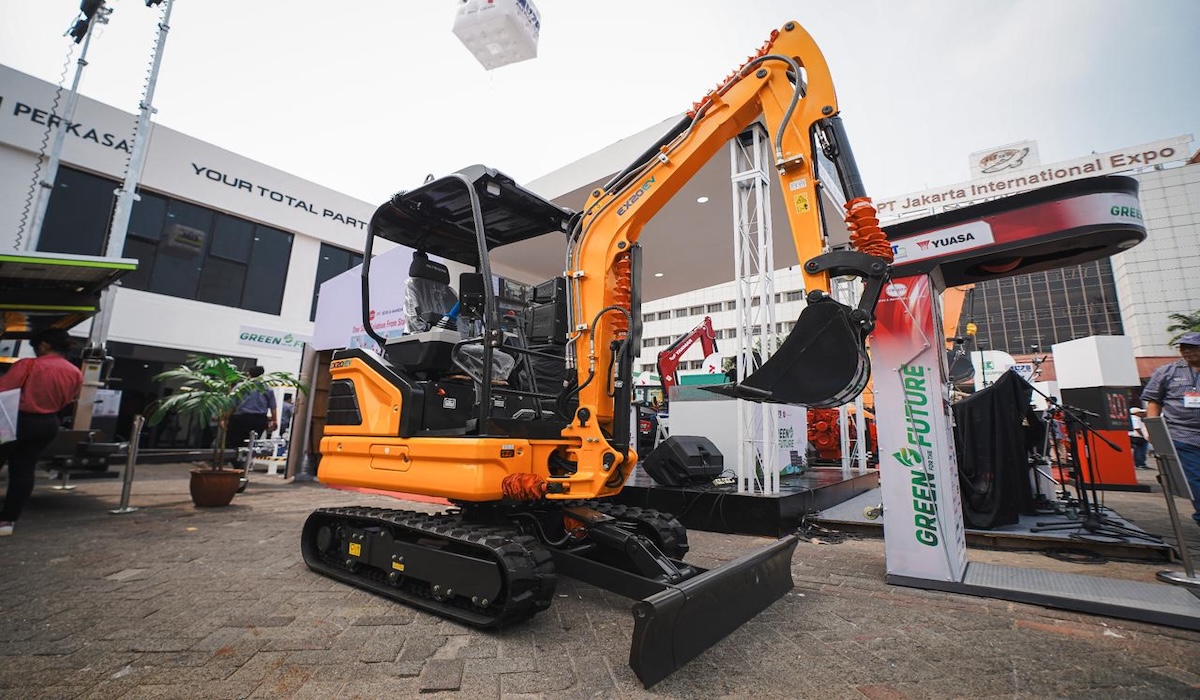
Electrification is starting to penetrate the heavy equipment industry in Indonesia, driven by the need for mining and construction companies to reduce fuel consumption and operational emissions. This development is evident in the introduction of electric-based heavy equipment and support vehicles as alternatives or complements to conventional diesel-powered units.
Siman Fadil, Chief Operating Officer of Altrak 1978, stated that energy efficiency and emission reduction will be critical factors in the development of heavy equipment and industrial vehicles. “Energy efficiency and emission reduction are no longer an option, but a fundamental necessity for the mining and construction industries in the future,” Siman said in Jakarta yesterday.
The progress of heavy equipment electrification was showcased at Mining Indonesia 2026, where several electric-based heavy machines and support vehicles were introduced. PT Altrak 1978 presented the EX20EV mini excavator and the BL95EV backhoe loader, both of which are fully electric. Meanwhile, PT Berca Mandiri Perkasa showcased several electric forklifts for material handling needs.
Siman noted that the entry of electric technology into the heavy equipment segment indicates that electrification is now targeting vehicles and machinery used in high-workload industrial activities, no longer being limited to passenger vehicles. Compared to conventional diesel engines, electric heavy equipment produces no direct exhaust emissions during operation. The use of electric motors also results in fewer moving parts, which has the potential to simplify maintenance.
The EX20EV mini excavator is designed with an electric drive system that offers lower noise levels, while the BL95EV is developed for excavation and loading tasks. In the material handling segment, electrification is visible through the use of the Nichiyu FB25, Noblelift FE4P25Q, and BYD ECB80 forklifts displayed by Berca Mandiri Perkasa.
“However, the adoption of electric heavy equipment faces different challenges compared to electric passenger vehicles. Mining operations require units that work for long durations and under heavy loads, while mine sites do not always have adequate electrical infrastructure,” he said. The transition from diesel engines to electric power also depends on the availability of charging infrastructure, power supply in mining areas, technician expertise, spare parts availability, and operational cost calculations.
The presence of electric heavy equipment at Mining Indonesia 2026 shows the emergence of alternatives for mining companies that have traditionally relied on fossil fuels. Nevertheless, diesel engines are not being abandoned immediately. Manufacturers and distributors continue to bring conventional heavy equipment alongside electric units, indicating that the electrification process in this sector will likely occur gradually.
Moving forward, competition in the heavy equipment sector will be determined not only by machine capacity and productivity but also by energy consumption, operational costs, infrastructure readiness, and the ability to reduce emissions during use.