
Electricity Theft for Crypto Mining Spreading Across Southeast Asia
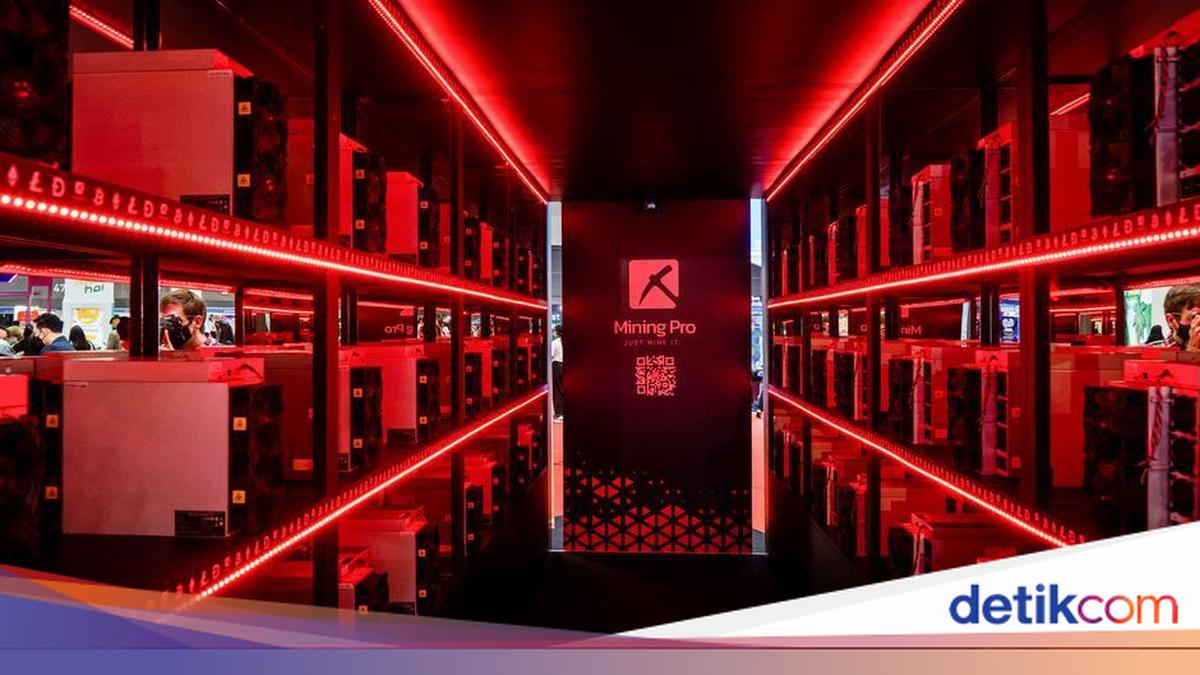
A recent raid in Malaysia highlights how cryptocurrency mining activities are becoming increasingly linked to electricity theft and organised crime in Southeast Asia. In Johor, a state in southern Malaysia, 7ly crypto mining machines operated continuously for approximately one month across four rented locations before police intervened. During raids on 22 and 23 July, police arrested three suspects and seized computers, routers, vehicles, and equipment used for illegal Bitcoin mining.
Johor Police Chief, Ab Rahaman Arsad, stated that the syndicate manipulated electrical connections by bypassing meters. Consequently, losses reached approximately €14,500 (around Rp300 million) in just one month. The machines were estimated to generate monthly revenues between €17,200 and €21,500 (around Rp357 million to Rp447 million). This case is considered small by Malaysian standards; between 2020 and 2025, the national utility Tenaga Nasional Berhad (TNB) identified nearly 14,000 locations involved in electricity theft for crypto mining, with total losses reaching approximately €1.1 billion (nearly Rp23 trillion).
Detected cases have risen from 610 in 2018 to 2,397 in 2024. Malaysia’s Ministry of Energy has identified illegal mining as a serious threat to public safety, economic stability, and the national power grid. Sonny Zulhuda, an associate professor at the International Islamic University Malaysia, noted that thousands of incidents have triggered investigations, posing a major problem for resource security, economic sustainability, and the loss of state revenue. He added that law enforcement is struggling due to regulatory gaps and limited investigative capabilities.
While cryptocurrency mining is not inherently criminal, authorities are finding growing links between illegal mining and online gambling, money laundering, and large-scale cyber fraud networks in Southeast Asia. In October 2025, the US and UK imposed sanctions on the Cambodia-based Prince Group, accused of operating fraud complexes using forced labour and laundering proceeds via cryptocurrency. US authorities also seized approximately US$15 billion worth of Bitcoin from digital wallets linked to Chen Zhi, Chairman of the Prince Group.
Thailand has also seen significant crackdowns on electricity theft linked to transnational crime. In 2025, the Thailand Special Investigation Department uncovered three large illegal mining networks, seizing over 6,390 machines and estimating losses to the state utility exceeded €24.9 million. In one operation, authorities found roughly 1,900 mining machines in warehouses, with the network consuming electricity valued at approximately €575,000 per month while paying only a fraction of the actual cost.
Indonesia has experienced similar incidents. In December 2023, police in North Sumatra raided ten locations and seized over 1,100 Bitcoin mining machines. The state electricity company, PLN, estimated losses over a six-month period reached approximately €700,000.
Governments in the region are responding with raids, heavier penalties, and increased cooperation between police, utilities, regulators, and anti-corruption agencies. Malaysia has established inter-agency committees and installed smart meters at substations to detect abnormal consumption. However, enforcement remains difficult as mining equipment can be moved quickly, locations are rented through intermediaries, and meter manipulation often involves organised networks or internal assistance.
Telecommunications expert Saaidal Razalli Azzuhri from the University of Malaya suggested that raids should be supported by monitoring consumption at the transformer level, mandatory licensing systems, transparency regarding beneficial ownership, and investigations into bank transfers and crypto wallets. The goal is not to ban blockchain technology, but to ensure miners pay full electricity costs without shifting infrastructure risks to the public. Zulhuda added that Southeast Asian governments must manage this issue effectively to avoid sending the wrong signals to investors in the region’s growing digital sector.