
Electricity Tariffs Soar for AI, Ordinary People Foot the Bill for the Wealthy
Jakarta, CNBC Indonesia - Artificial intelligence is making electricity bills more expensive. A number of states in the United States are reporting an increased burden on electricity costs.
Operator jaringan listrik seperti PJM Interconnection, which covers 13 states, held a capacity auction to ensure electricity supply is available. The auction resulted in an additional charge of US$6.3 billion over three years, which will be passed on to customers.
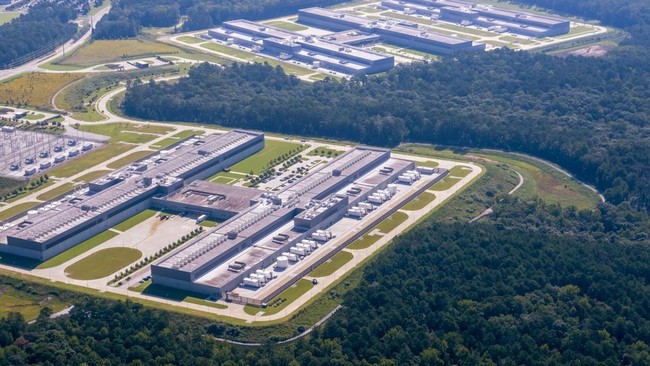
Reports from The New York Times and Utility Dive indicate that the majority of this increased cost burden originates from data centres.
“Ordinary customers are financing the infrastructure of some of the world’s richest companies,” said financial analyst Michael Ryan, as quoted by Gadget Review on Wednesday (3/8/2026).
One increase occurred in Illinois, where tariffs rose 28% to 23.85 cents per kWh. In Virginia, home to the densest concentration of data centres known as Data Center Alley, costs increased by 15.4% to 17.61 cents per kWh.
The highest cost was recorded in Hawaii at 52 cents per kWh, with an increase in that region reaching 26.7%.
Georgia and Texas also experienced increases of 5.7% and 5.9%, respectively. Prices there now stand at 15.84 cents per kWh and 16.44 cents per kWh.
Arie Brish, a business professor, stated that burdening every citizen with the cost of electricity tariffs is a policy choice. He argued that data centres should be treated as large real estate developers, entering into binding, pre-negotiated agreements on who funds power plants, transmission, and reserve capacity.
The Donald Trump administration has also urged technology companies to bear their own energy costs. Several firms, such as Microsoft and Anthropic, have made similar commitments.
However, these promises lack legal force or enforcement mechanisms, Gadget Review noted. Meanwhile, MultiState reported that 27 states are currently proposing rules that would require data centres to finance their own grid expansion.