
Electricity Demand Predicted to Rise Amid Industrialisation and Electric Vehicles
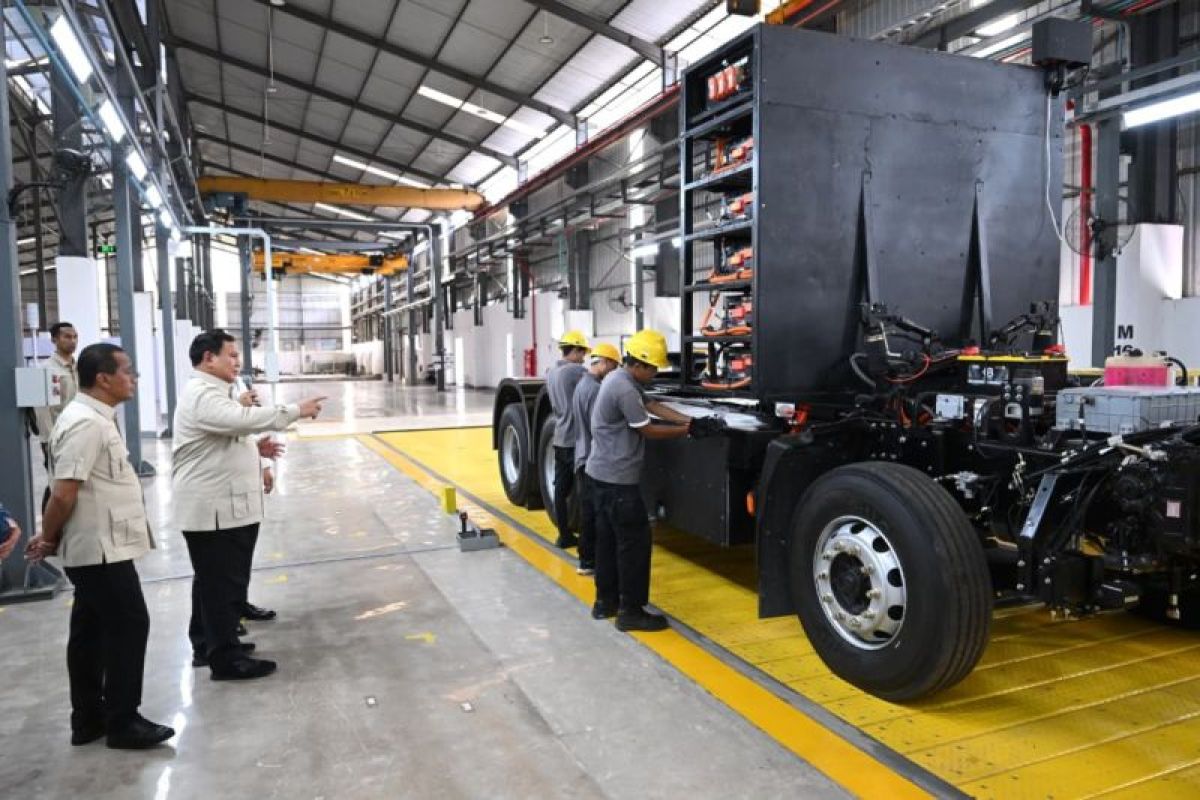
Economic growth and industrialisation are projected to increase Indonesia’s electricity demand in the coming decades. In addition to industry, energy demand is also expected to stem from data centres, buildings, electric vehicles, and the electrification of households. This rising demand necessitates that Indonesia prepares an electricity system that is not only capable of providing greater capacity but is also efficient and flexible enough to adapt to changing energy consumption patterns.
Lisa Tinschert, Energy Programme Director at GIZ, stated that Indonesia has a significant opportunity to accelerate industrialisation alongside economic growth and available labour. However, this development will be accompanied by an increase in electricity needs, particularly from the industrial sector.
“Industry is one of the sectors that will contribute significantly to the increase in electricity demand,” Lisa noted during the Katadata SAFE 2026 session titled ‘Indonesia’s Strategic Wager: Planning Future Demand, Powering Sustainable Growth’ on Wednesday.
According to Lisa, data centres represent a new source of electricity demand that remains difficult to project. The challenge lies not only in estimating the scale of growth but also in understanding the specific load characteristics of data centres, which differ from other sectors.
Electricity needs from buildings are also expected to rise, particularly for cooling requirements in both the residential and industrial sectors. Meanwhile, the electrification of transport will add to the demand as the use of electric vehicles increases. Electrification also has the potential to expand into households, for instance, through the use of electric-based appliances such as electric stoves.
“In general, there is a push towards electrification and significant growth in energy demand. Indonesia is now at a crossroads to determine where this new generation capacity will originate from,” said Lisa.
However, Lisa assessed that meeting electricity needs cannot be achieved solely by adding power plant capacity. Energy efficiency must also be part of the strategy to face growing demand. In her view, increasing efficiency can help Indonesia drive economic growth without necessarily resulting in a proportional increase in electricity consumption. At the same time, energy efficiency also has the potential to help reduce emissions.
On the other hand, Rachmat Kaimuddin, Managing Director of Development Investment Danantara Development Management Fund (DDMF), assessed that the flexibility of the electricity system must also be reflected in the design of energy financing. According to Rachmat, the development of the energy system needs to take into account available resources, existing infrastructure, and public electricity consumption patterns.
He cited the development of solar power plants as an example. The addition of solar capacity must be accompanied by grid readiness and adjustments in consumption patterns to ensure that electricity produced during the day can be absorbed.
“If we have 100 gigawatts of electricity from solar power, we must consider whether we have the load to absorb it and whether there is energy usage that can be shifted to the daytime,” said Rachmat.
According to Rachmat, this flexibility is also related to the financing schemes for energy projects. DDMF has a mandate to support long-term development projects and can provide financing with more flexible characteristics. He added that development finance institutions can play a role in reducing project risks and helping to prepare them to more easily attract private investment.
The development of such a system can go hand-in-hand with Indonesia’s opportunities in the solar energy sector. Indonesia possesses vast solar energy potential, alongside the opportunity to build a green industrial ecosystem. This development encompasses the industrial chain related to clean energy technology, including batteries and electric vehicles. Thus, the increase in electricity demand is not only a challenge for energy supply but is also linked to the agenda of industrialisation and the development of a domestic green industry.
Source: jawawa.id (https://jawawa.id/newsitem/electricity-demand-predicted-to-rise-amid-industrialisation-and-electric-vehicles-1789570295)
Originally published by Media Indonesia (https://mediaindonesia.com/ekonomi/934187/kebutuhan-listrik-diprediksi-terus-naik-imbas-industrialisasi-dan-kendaraan-listrik), translated from Indonesian