
Electric Vehicles vs Petrol Cars: Which is More Cost-Effective and Durable Over 10 Years?
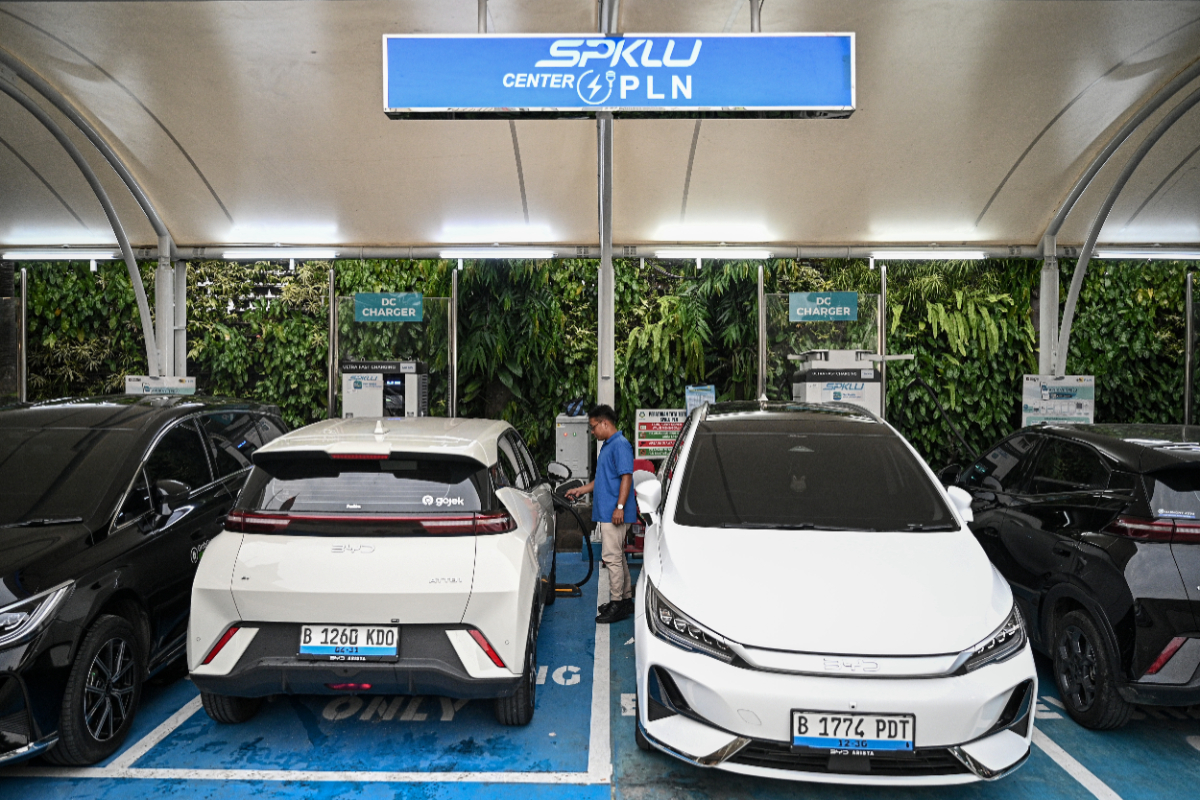
The debate regarding efficiency between electric vehicles (EV) and petrol cars (Internal Combustion Engine/ICE) is intensifying in the Indonesian automotive market. For consumers planning to own a vehicle for the long term, the primary question is no longer just about lifestyle, but rather which option is more economical and durable over a 10-year period.
As we enter 2026, the supporting infrastructure for electric vehicles continues to develop, yet petrol cars maintain a loyal user base due to the ease of refueling. To make an informed choice, it is necessary to examine cost variables and durability in depth.
In terms of daily costs, electric vehicles offer a decisive advantage. Based on average usage simulations in Indonesia, the cost of charging electricity is significantly cheaper than purchasing fuel (BBM). Over a 10-year period, the accumulated savings from this energy sector could reach hundreds of millions of Rupiah, gradually offsetting the higher initial purchase price typically associated with electric vehicles.
Petrol cars possess thousands of moving parts, ranging from pistons and complex transmissions to exhaust systems. This necessitates regular engine oil changes, filter replacements, spark plug swaps, and combustion system cleanings. Estimated routine service costs for a petrol car over 10 years could reach between Rp20 million and Rp40 million.
Conversely, electric vehicles have far fewer moving parts. There is no need for engine oil changes or complex transmission maintenance. Maintenance usually focuses on tyres, brake pads (which last longer due to regenerative braking features), and air conditioning filters. In theory, routine maintenance costs for an EV could be 50% cheaper than those of a petrol car.
The question of ‘which is more durable’ is often a perceived weakness of electric vehicles in the eyes of consumers. The following is a durability analysis:
Petrol cars have proven capable of lasting more than 10 years with major repairs (overhauls) that remain cost-effective. Meanwhile, electric vehicles face the challenge of battery degradation. Although manufacturers provide an average battery warranty of 8 years, once that period passes, battery replacement could cost up to 40-50% of the price of a new car.
If you are a high-mobility user (daily distance >50 km), an electric vehicle will be far more economical over 10 years thanks to energy efficiency and low service costs. However, you must be prepared for the risk of diminished resale value if battery technology evolves too rapidly.
On the other hand, if you rarely travel long distances and desire peace of mind regarding component durability without worrying about battery degradation, a petrol car remains a psychologically ‘safer’ choice for a full decade of use.
Operational cost data and prices may vary depending on government policies regarding energy subsidies and vehicle taxes in each respective region. Ensure you check the battery warranty from the automotive manufacturer (APM) before deciding to purchase an electric vehicle.
If purchasing a New Energy Vehicle (NEV), consumers may obtain a subsidy of 12% of the car’s price, with a maximum limit of 20,000 yuan (approximately Rp47.7 million).
Source: jawawa.id (https://jawawa.id/newsitem/electric-vehicles-vs-petrol-cars-which-is-more-cost-effective-and-durable-over-10-years-1788439960)
Originally published by Media Indonesia (https://mediaindonesia.com/otomotif/929414/mobil-listrik-vs-mobil-bensin-mana-lebih-hemat-dan-kuat-dipakai-10-tahun), translated from Indonesian