
Electric Vehicles Now Subject to Tax, KDM Hopes for Increased Regional Revenue
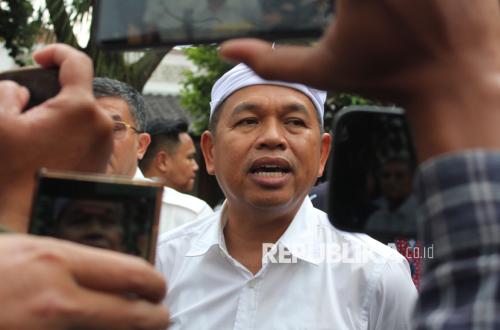
REPUBLIKA.CO.ID, BANDUNG – West Java Governor Dedi Mulyadi hopes that the central government’s policy of imposing taxes on electric vehicles in 2026 can become a source of regional revenue. He stated that this tax revenue would serve as capital for regional development.
“My hope is that the tax remains a contribution to the regions. After all, motorcycles and cars must use the roads, and the revenue for Bandung Regency and West Java Province comes from there,” he said after attending the Bandung Regency Anniversary event at the Bandung Regency Government premises on Monday (20/4/2026).
He explained that if vehicle tax revenue is lost, coupled with delays in the distribution of tax revenue-sharing funds, it would impact development. However, his side remains optimistic that road infrastructure services will improve.
“No need to use the first owner’s ID for tax payments; now it’s a national policy, and this has received an extraordinary response from the public,” he added.
Bali prepares incentives for residents
Meanwhile, Bali’s Regional Revenue Agency (Bapenda) has begun discussing the provision of tax incentives for electric vehicles. “That’s (the amount of tax incentives) still being discussed, including a national agreement so that it’s not too imbalanced,” said the Head of Bapenda Bali, I Dewa Tagel Wirasa, in Denpasar on Monday.
Dewa Tagel conveyed this in response to the implementation of Minister of Home Affairs Regulation Number 11 of 2026 on the Basis for Imposing Motor Vehicle Tax, Motor Vehicle Ownership Transfer Fee, and Heavy Equipment Tax. Previously, electric vehicles, both motorcycles and cars, were tax-exempt, but under the new regulation, battery-based vehicles are now subject to tax.
The Head of Bapenda Bali stated that the tax imposition will be implemented whether ready or not. The regulation has been set and applies nationally, so Bali Province must also comply.
However, to reduce the burden on taxpayers, especially as the Bali Provincial Government is promoting the acceleration of electric vehicle use, they will provide incentives similar to Jakarta. “Ready in what sense, because the regulation is already firm, but the amount of vehicle tax is still awaiting central guidance; the nominal hasn’t been set yet, yes, not yet,” said Dewa Tagel.
During the discussion process regarding electric vehicle taxes and incentives, Bapenda Bali itself cannot yet predict the impact of this tax imposition. In relation to the Bali Provincial Government’s mission to increase the use of electric vehicles, he said that only data once the tax is rolled out can provide answers.
Based on data from the Bali Provincial Government as of 6 April 2026, the number of electric vehicles operating on Bali’s land is 14,301 units, consisting of 9,790 two-wheeled units and 4,511 four-wheeled units.
Source: jawawa.id (https://jawawa.id/newsitem/electric-vehicles-now-subject-to-tax-kdm-hopes-for-increased-regional-revenue-1776739852)
Originally published by Republika (https://ekonomi.republika.co.id/berita/tdtnpi423/kendaraan-listrik-kini-kena-pajak-kdm-harap-tambah-pendapatan-daerah), translated from Indonesian