
Electric Vehicles Become a Solution Amid Energy Supply Crisis
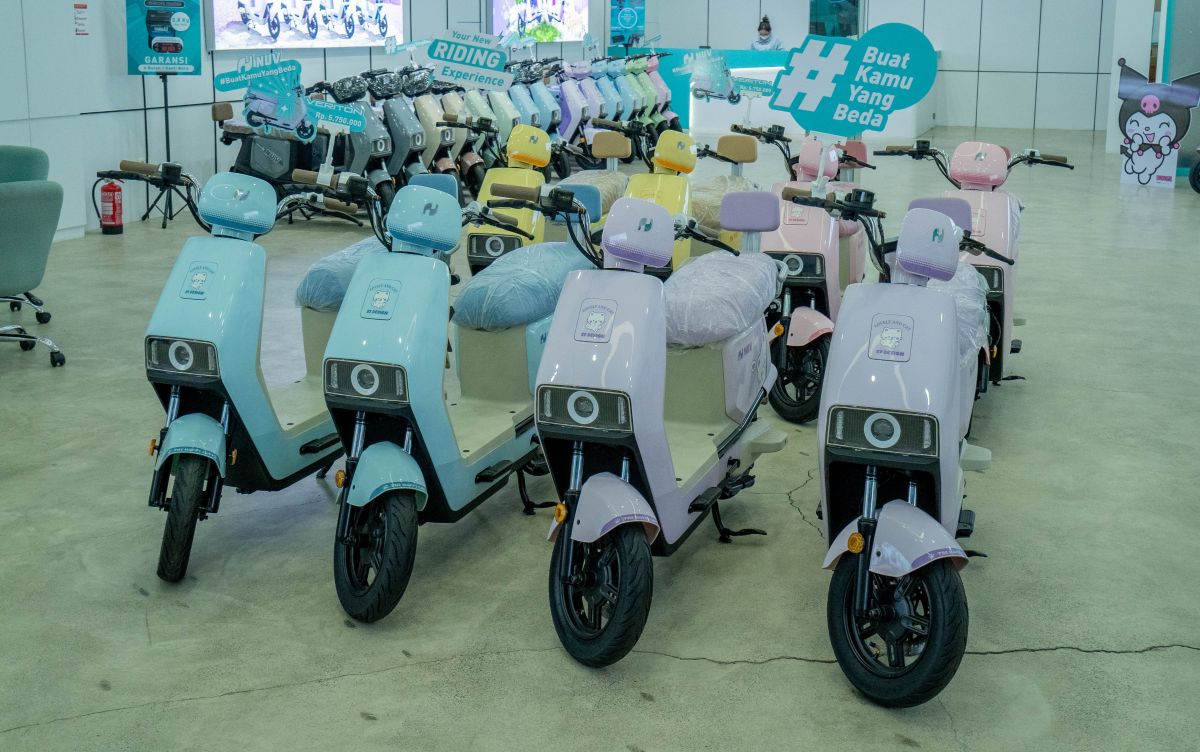
Global geopolitical uncertainties are beginning to have a tangible impact on the energy sector, including fuel supply and prices. Distribution disruptions, rising international tensions, and volatility in world oil prices are pushing up transportation costs and sparking public concerns over energy availability.
In this situation, the need for more stable and efficient mobility alternatives is becoming increasingly urgent. Addressing this, NUV is offering a solution through electric bicycles as a mode of transport that is more cost-effective to operate and does not rely on fossil fuels.
NUV General Manager, Handy Lie, assesses that global dynamics have driven a change in public perceptions of transportation.
“When fuel prices rise and supplies are disrupted, people need a more stable and economical solution. Electric vehicles provide the answer to that need,” he stated.
According to him, electric vehicles are no longer just a trend but have become a practical necessity amid energy uncertainty. In addition to being more economical, electric bicycles also offer ease of use, low maintenance costs, and a quieter, more environmentally friendly riding experience.
Changes in consumer behaviour, particularly in urban areas, are also becoming evident with growing interest in efficient and flexible vehicles for daily mobility.
With ongoing global pressures in the energy sector, NUV views electric vehicles, especially electric bicycles, as an important part of Indonesia’s future mobility system. This approach not only addresses cost efficiency needs but also serves as an adaptive step in facing energy fluctuations while supporting the transition to more sustainable transportation.
Transactions have increased more than threefold compared to last year, indicating high public enthusiasm for the electric vehicle ecosystem in eastern Indonesia.
Deputy Chairman of Commission XII of the Indonesian House of Representatives, Sugeng Suparwoto, emphasised the importance of accelerating electrification as the main strategy to strengthen national energy independence.
Indef assesses that the government needs to immediately reactivate electric vehicle incentives to dampen fiscal pressures from the surge in world oil prices.
With electricity charging costs of around Rp6,000 for daily use, electric motorcycles become a rational choice amid potential BBM price increases.
BBM still contributes about 30% to the national energy mix, making it highly vulnerable to geopolitical turmoil and global price fluctuations.
Tensions in the Middle East are peaking. US President Donald Trump has threatened a massive attack on Iran on Tuesday night if the shipping route is not immediately opened.
Director of The Climate Reality Project Indonesia, Amanda Katili Niode, emphasised the importance of wise BBM consumption to reduce greenhouse gas emissions.
The Pakistani government has taken swift action in response to the surge in fuel prices by making public transportation free in the capital Islamabad for one month.