
Electric Vehicles and SPKLU: When the Market Grows, Infrastructure Follows
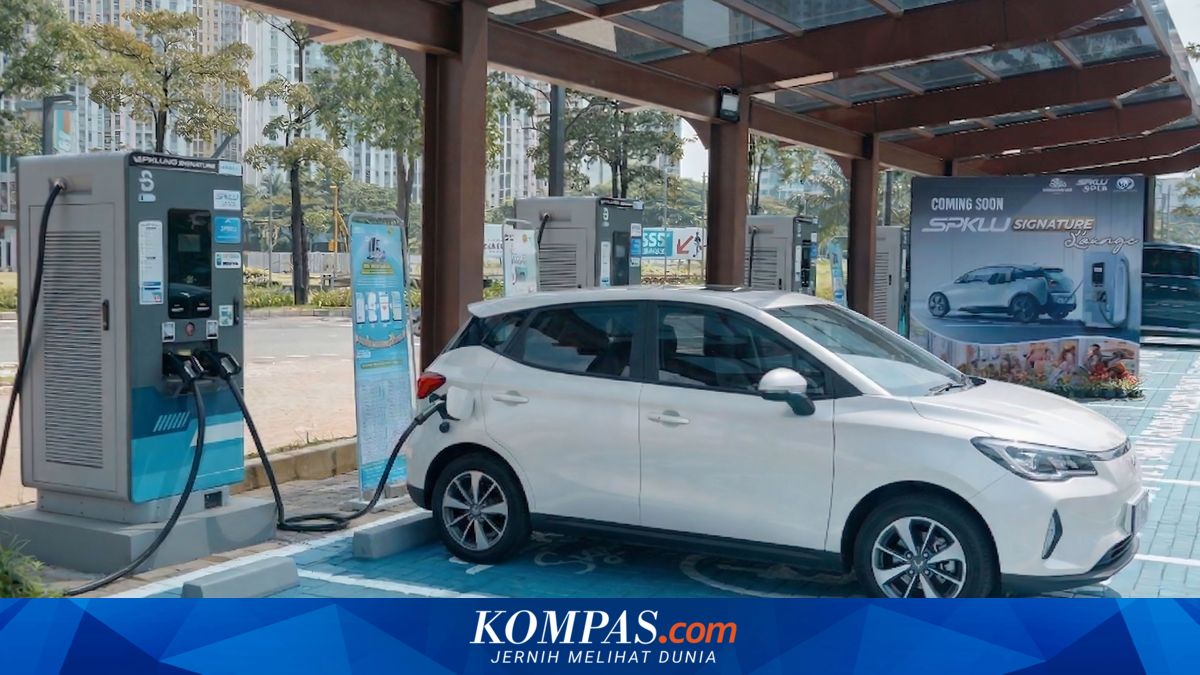
JAKARTA, KOMPAS.com - Concerns about the scarcity of electric vehicle charging infrastructure, or public electric vehicle charging stations (SPKLU), continue to deter the public from switching to electric cars.
However, automotive analyst Hendra Noor Saleh believes these worries are not entirely accurate when viewed from an economic perspective.
He refers to the classical economic principle that an increase in demand will drive supply adjustments.
“When demand rises, supply will follow,” Hendra stated when contacted by Kompas.com on Saturday (25/4/2026).
He explained that the current limited number of SPKLU does not represent a permanent barrier.
In fact, the previously low number of electric vehicles meant that infrastructure development had not yet accelerated.
“Why were there few SPKLU before? Because the number of electric cars was still small. But if demand increases, it will certainly develop accordingly,” he said.
As the adoption of electric vehicles grows, the construction of SPKLU is showing a growth trend.
As of early 2026, the number of SPKLU in Indonesia has reached 4,769 units spread across 3,097 locations.
This infrastructure development is being continuously pursued by PT PLN (Persero), with a focus on distribution along strategic routes such as the Trans-Sumatra and Java toll roads.
The presence of SPKLU in various locations serves as an indicator that infrastructure is beginning to adapt to user needs.
In addition to public SPKLU, Hendra highlighted the increasing trend of home charging.
According to him, this facility can reduce users’ dependence on SPKLU, particularly for daily needs.