
Electric Vehicle Transition Must Be Matched by Supply Chain Improvements
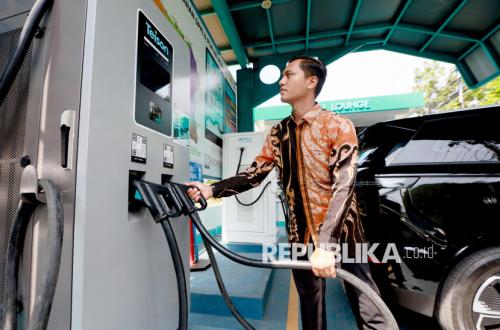
JAKARTA – The development of electric vehicles requires support from a supply chain that takes environmental and human rights considerations into account, from sourcing battery raw materials to manufacturing. This was among the recommendations made by civil society coalition Just EV to several automotive manufacturers at the PERIKLINDO Electric Vehicle Show (PEVS) on Sunday (1 November 2026).
The coalition said the shift from fossil-fuel vehicles to electric vehicles must be accompanied by efforts to manage the environmental and social impacts of production. One area of concern is the use of critical minerals such as nickel and cobalt as battery raw materials.
Mining and processing these minerals continue to face a number of environmental and social problems in several regions. The coalition highlighted pollution, land conflicts and impacts on communities’ living spaces.
Satya Bumi Communications Officer Tamimah Ashilah said the principle of justice must be applied in the energy transition, including in the development of production facilities and the management of supply chains.
“Vehicle electrification is part of decarbonisation, the energy transition and efforts to mitigate the climate crisis. These positive aims must be matched by responsible practices, ensuring the transition is clean and fair, because the transition we want is not merely a change in technology,” Tamimah said in a statement on Tuesday (3 November 2026).
Another issue raised was the energy source used by the nickel-processing industry. CERAH Executive Director Agung Budiono said the nickel downstreaming industry supplying raw materials for electric vehicle batteries still relies on coal-fired power plants.
“Electric vehicle manufacturers also need to ensure their supply chains are free of fossil fuels. Nickel downstreaming, which produces raw materials for EV batteries, currently depends heavily on coal-fired power plants. To maximise EVs’ potential as a solution to air pollution and the climate crisis, EV manufacturers need to set standards requiring fossil-fuel-free raw materials, while also pressing the nickel downstreaming industry to take responsibility,” Agung said.
The Intergovernmental Panel on Climate Change (IPCC) says reducing emissions requires changes in the transport sector. Vehicle electrification is one option for reducing carbon emissions from road transport.
Agung also linked vehicle emissions to air-quality problems in Indonesia, citing data from the Centre for Research on Energy and Clean Air (CREA) on the effects of air pollution on Java.
“Indonesia is facing an air-quality emergency, and this is not only because of forest and land fires. One cause is pollution from vehicle emissions. This problem will only be resolved if automakers also contribute by shifting their businesses towards electric vehicles,” Agung said.
Just EV has produced a scorecard assessing automakers’ performance on climate, environmental and human rights issues. An analysis by Lead the Charge found that 18 vehicle manufacturers scored below 50 per cent. The assessment covers the adoption of environmentally friendly supply chains and respect for the rights of Indigenous communities and workers.
Enter Nusantara Coordinator Reka Maharwati said the presentation of the scorecard expressed young people’s aspirations for the direction of Indonesia’s energy transition.
“The presentation of this scorecard represents our aspirations as young people who will inherit a future in which the climate crisis is becoming more severe,” Reka said.
Source: jawawa.id (https://jawawa.id/newsitem/electric-vehicle-transition-must-be-matched-by-supply-chain-improvements-1793749844)
Originally published by Republika (https://esgnow.republika.co.id/berita/tnxfir416/transisi-kendaraan-listrik-perlu-diikuti-perbaikan-rantai-pasok), translated from Indonesian