
Electric Vehicle Tax Rules Change, Manufacturers Highlight Impact on Market
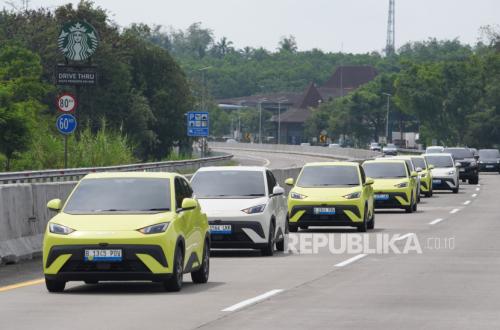
Several manufacturers offering electric vehicle (EV) models have highlighted the importance of policy certainty regarding EV incentives and taxes at the regional level following the issuance of Ministry of Home Affairs Regulation (Permendagri) Number 11 of 2026, which changes the motor vehicle taxation scheme, including for electric vehicles.
Wuling Motors, Hyundai Motors Indonesia, and GAC Aion all agree that regulatory clarity is key to the future direction of the electric vehicle market. PT Wuling Motors Indonesia stated that it is still awaiting concrete decisions from regional governments regarding the incentive scheme, which is now determined by each area.
“Yes, we understand that, and it seems that most regional governments also support accelerating electrification. But we are waiting for decisions from each region,” said Marketing Director of PT Wuling Motors, Ricky Christian, in Jakarta on Wednesday (22/4/2026).
Wuling also acknowledged that the incentive scheme change impacts their EV product pricing strategies, which have been adjusted, including for the latest Exion model, available in plug-in hybrid (PHEV) and electric versions.
“Of course, it affects the current pricing choices. We have received information regarding this tariff change, and we hope that the price we choose for (Wuling Exion) remains competitive in the market, and in the near future, there will be no need for further price changes,” he said.
In agreement, PT Hyundai Motors Indonesia (HMID) emphasised the importance of clear tax and incentive policies at the regional level to provide certainty for consumers.
“We certainly respect the authority of regional governments in establishing incentive schemes that suit their respective conditions’ dynamics. We hope for certainty and clarity in policies that give confidence to consumers,” said Chief Operating Officer of HMID, Fransiscus Soerjopranoto.
Meanwhile, GAC Aion is still monitoring the impact of the rule changes on the market. Met in Guangzhou, China, on Tuesday (21/4), CEO of GAC Aion Indonesia, Andry Ciu, said they are still waiting for the exact figures regarding the tax changes.
“We are waiting to see when the exact numbers will come,” he said.
“Society’s reaction if there is a price increase will certainly be there. But to what extent, we’ll see what the society’s response is like,” Andry added.
Under the new regulation, electric vehicles are no longer exempt from regional taxes, but the tax amount can be set differently by each regional government, including the possibility of incentives in the form of exemptions or reductions. With this policy, it does not rule out the possibility that electric car tax policies will vary across regions.
Manufacturers hope that regulatory certainty will be established soon to maintain price stability and encourage the acceleration of electric vehicle adoption in Indonesia.
Source: jawawa.id (https://jawawa.id/newsitem/electric-vehicle-tax-rules-change-manufacturers-highlight-impact-on-market-1776988320)
Originally published by Republika (https://esgnow.republika.co.id/berita/tdyb80490/aturan-pajak-kendaraan-listrik-berubah-produsen-soroti-dampaknya-ke-pasar), translated from Indonesian