
Electric Vehicle Tax: Protecting the Environment, Propping Up Regional Fiscal Health
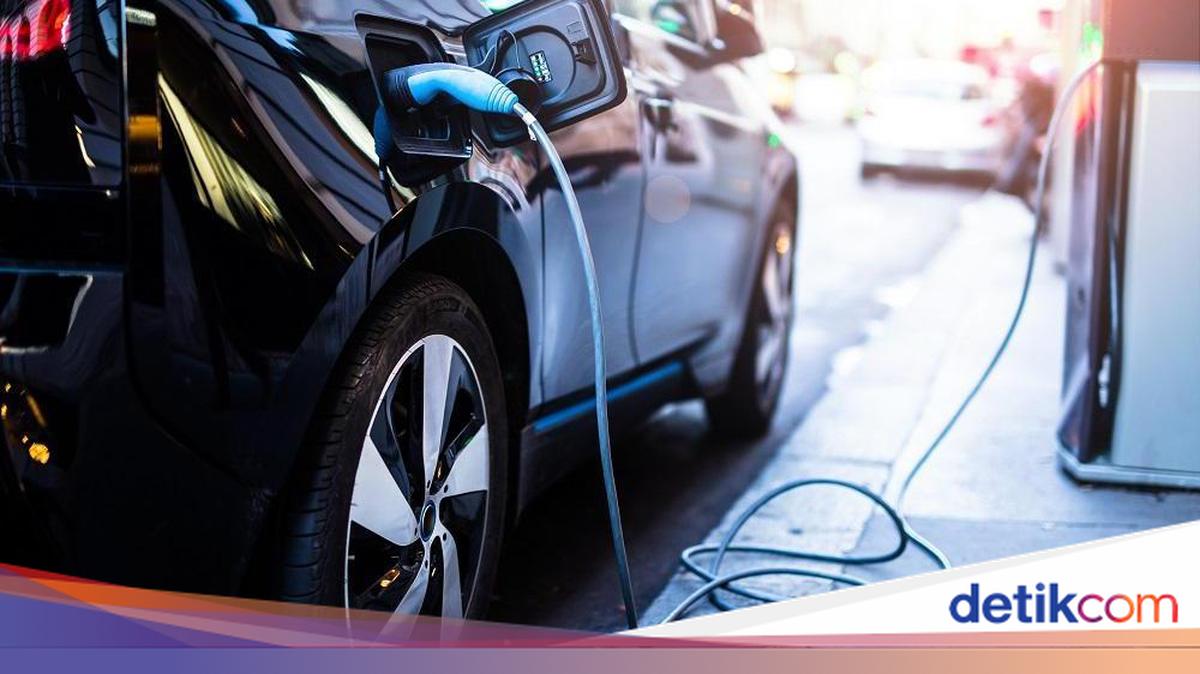
The streets of major cities are slowly quieting from the roar of conventional combustion engines, replaced by the smooth hum of electric motors. Behind the silent pace of these low-emission vehicles, a revolutionary shift in lifestyle and the energy ecosystem is actually taking place.
Embracing electric vehicles is no longer just an environmentally friendly lifestyle, but a very rational economic calculation. However, the drama of this mass migration from petrol tanks to lithium batteries leaves a great irony behind bureaucratic desks, as the quiet of green roads reduces the posture of regional revenue.
The era of global energy transition is no longer just discourse on printed paper. A report titled Electric Asia, released by the independent energy think tank Ember in June 2026, confirms that Asia is leading the world’s clean energy revolution with extraordinary performance. This region holds full control over the global green technology supply chain through tangible contributions, producing 85 percent of the world’s batteries and more than 95 percent of the earth’s solar panel devices.
The speed of the transition towards an all-electric ecosystem in Asia is no joke, as its pace is recorded as being up to five times faster when compared to movements in the Western world. This wave of change has a major impact on the transportation sector, where the growth of pure electric vehicle users has surged sharply. This interesting phenomenon even places Indonesia at the forefront alongside other Southeast Asian countries, which have successfully made a great leap surpassing the United States market in terms of electric car sales share achievement.
Banten Province, strategically positioned as the western gateway to Java Island, is responding aggressively to this global energy transition movement through the very fertile growth of low-emission vehicle adoption in its region.
This environmentally friendly condition is triggered by the economic advantages of pure electric vehicles in Indonesia, where the total cost of ownership comparison curve in the scientific report Electric Asia released by the Ember think tank shows that daily operational costs have reached an equilibrium point that is equivalent, even far cheaper and more economical than conventional fuel-based vehicles. This efficiency advantage is what triggers the extraordinary surge in sales in the domestic market, including in capital buffer zones like Banten Province.
Regionally, this phenomenon places Indonesia in a very crucial role in the great leap of clean energy, where the same research document notes that Indonesia, together with other major Southeast Asian economic powers, has successfully leapfrogged the United States market in terms of new electric vehicle sales share adoption by 2025.
However, behind this ecological success and high public interest, there is a real fiscal dilemma overshadowing the regional government’s kitchen. When various green incentive policies begin to clash with regional fiscal independence targets, a mature policy reorientation becomes very urgent to formulate.
Based on the 2025 Government Agency Performance Report (LKjIP) of the Banten Province Regional Revenue Agency (Bapenda), the region’s fiscal resilience in independently financing development still faces major challenges. The Banten Province Regional Financial Independence target for 2025 was set at 66.33%.
However, the realisation of Regional Original Revenue (PAD), recorded at Rp6,336,444,959,235 out of total Regional Revenue reaching Rp9,749,632,586,506, only produced a fiscal independence level of 64.99%. Although this achievement touched 97.98% of the target, the failure to surpass the psychological threshold of the main target indicates a blockage in the regional original revenue collection engine.
Upon deeper dissection, this blockage originates from tax items that have been the region’s mainstay, namely the Motor Vehicle Title Transfer Fee (BBNKB) and the Motor Vehicle Fuel Tax (PBBKB).
The official Bapenda Banten report confirms that BBNKB realisation as of 31 December 2025 only reached 78.18%. This low achievement is a direct impact of the success of the regional government’s tax amnesty and green incentive programmes, namely the provision of a 100% subsidy and the elimination of BBNKB for the second and subsequent ownership of electric vehicles. Consequently, the increase in the quantity of electric vehicles on Banten’s roads is inversely proportional to the curve of regional fiscal cash receipts.
This condition is exacerbated by the PBBKB performance, which stalled at 96.15%. The decline in revenue from the fuel sector is triggered by several main variables. First, the massive impact of fiscal incentive instruments, namely a 50% reduction for private vehicles and heavy equipment, and an 80% reduction for TNI/Polri operational vehicles.
Second, consumption turbulence due to a local public trust crisis regarding fuel quality following the emergence of adulterated petrol cases in both private and state-owned retail distribution networks. Third, the phenomenon of stock emptiness (out of stock) at a number of leading international private network petrol stations, such as Shell and Vivo, which cut daily transaction volumes.
On the other hand, the issue of rising prices for non-subsidised fuels like Pertamax further encourages the upper-middle class to radically change their mobility patterns.
Rather than persisting with the increasingly stifling operational costs of conventional vehicles, people are flocking to divert their capital to embrace electric vehicles whose efficiency is far more promising. This shift in consumption behaviour accelerates the decline in fuel sales turnover, which automatically narrows the base for regional PBBKB imposition.