
Electric Vehicle Tax No Longer Special Treatment, Toyota Boss Says
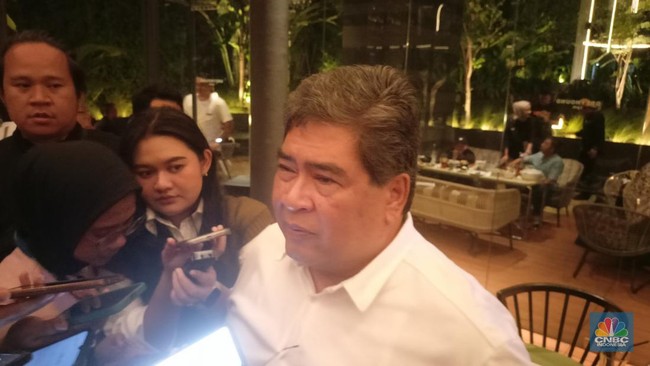
The government will not continue special treatment for electric vehicles, particularly in terms of low tax policies. Deputy Director of Toyota Motor Manufacturing Indonesia (TMMIN), Bob Azam, believes that such support cannot last forever. “They’ve already received special treatment for two years, and the ecosystem has now grown well. It’s time to think about infrastructure, like charging stations. There might be a change in orientation like that, which is what we see from the government,” Bob said during the TMMIN Public Announcement at NICE PIK 2 on Monday (20/4/2026). He believes the industry must prepare for self-reliance. This is important to create a healthy and sustainable ecosystem. “When will we be independent in selling electric vehicles if we’re always supported by subsidies?” Bob Azam stated. Every policy has a time limit. Subsidies and tax incentives are only tools to boost the initial growth phase. “There must be a limit,” he continued. The government’s policy change is seen as reasonable. Additionally, the fiscal condition of local governments is an important consideration. Funding needs make policies more selective. “Local governments are also facing pressure on their income now,” he said. Although there is potential impact on sales, the industry is urged to adapt. Market condition changes are considered unavoidable. “We must face the impact,” Bob said. He is also optimistic that the pressure will not last long. The market is believed to find a new balance. “I see that this impact won’t last for years,” he stated. In the long term, the industry must be ready to stand without dependency. This is part of the process towards market maturity. “One day, we have to leave the subsidies behind,” Bob remarked. The government, through the Ministry of Home Affairs, has recently issued a new regulation that will impose taxes on electric vehicles in Indonesia. The regulation is Minister of Home Affairs Regulation Number 11 of 2026 on the Basis for Imposing Taxes on Motor Vehicles, BBNKB, and Heavy Equipment Taxes. In this new regulation, electric vehicles are not mentioned as objects exempted from PKB and BBNKB. Thus, battery-based cars or motorcycles, or electric vehicles, can be subject to Motor Vehicle Tax (PKB) and Motor Vehicle Transfer Fee (BBNKB). This regulation has been signed by Minister of Home Affairs Tito Karnavian and promulgated on 1 April 2026.