
Electric Vehicle Tax Controversy Subsides, Government Ensures Zero Percent Rate
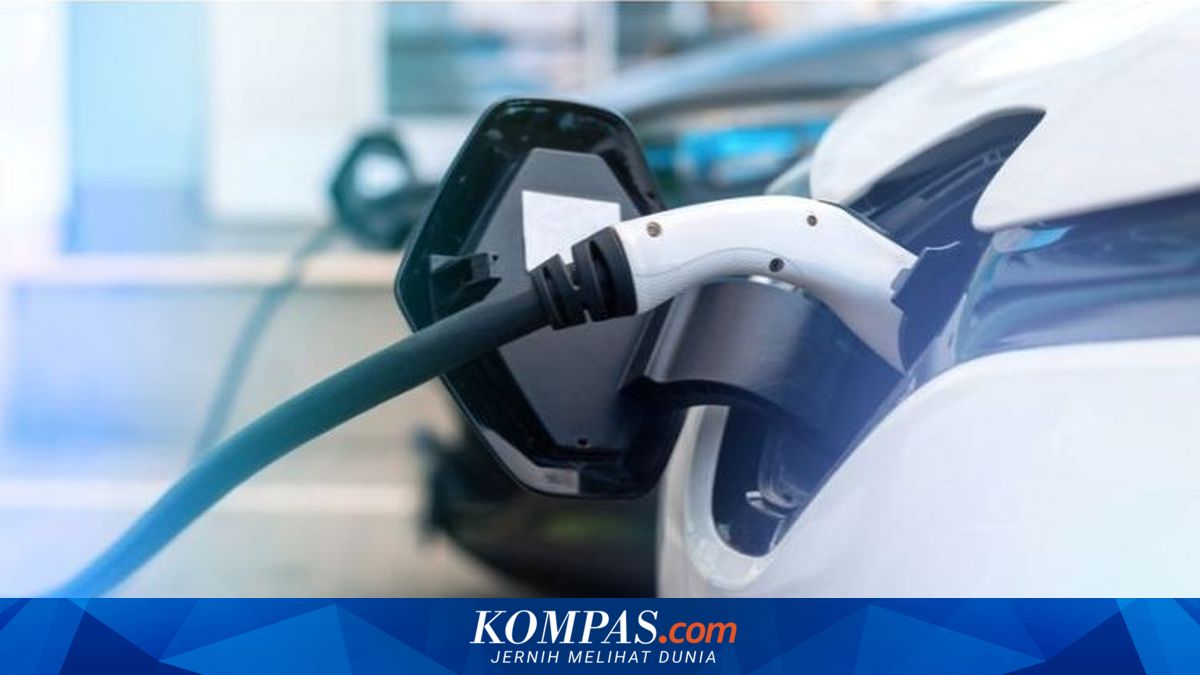
JAKARTA, KOMPAS.com - The controversy over electric vehicle taxes initially caused confusion after the government issued a new regulation altering the taxation scheme for electric vehicles in Indonesia. Through Ministry of Home Affairs Regulation (Permendagri) No. 11 of 2026 on the Basis for Imposing Motor Vehicle Tax (PKB), Motor Vehicle Transfer Tax (BBNKB), and Heavy Equipment Tax, the ownership or transfer of battery-based electric motor vehicles (KBLBB) or battery electric vehicles (BEV) falls under the taxation scheme. In the new regulation, electric vehicles are indeed subject to PKB and BBNKB. However, local governments are still given leeway to provide incentives so that the effective rate can be zero percent. The controversy arose because electric vehicles were previously known as vehicles exempt from annual taxes as part of incentives to accelerate the energy transition. When the new regulation was issued, concerns emerged that the tax-free facility had been eliminated. However, shortly thereafter, Interior Minister Tito Karnavian instructed all governors to continue exempting electric vehicle taxes. This directive was outlined in Circular Letter No. 900.1.13.1/3764/SJ on the Provision of Fiscal Incentives in the Form of Exemption from Motor Vehicle Tax and Motor Vehicle Transfer Tax for Battery-Based Electric Motor Vehicles. “The provision of incentives for exemption or reduction of local taxes in the form of PK (Motor Vehicle Tax) and BBNKB for battery-based KBL (Battery-Based Electric Motor Vehicles), including motor vehicles that have been converted from fossil fuel to battery-based KBL, is included,” wrote the Interior Minister in the circular signed on Wednesday (22/4/2026). This step by Tito also quelled the controversy that arose following the issuance of Permendagri No. 11 of 2026, which had raised concerns that electric vehicles would no longer automatically receive tax exemptions as before. In its implementation, governors are also requested to report the provision of fiscal incentives by attaching the Governor’s Decree to the Ministry of Home Affairs through the Directorate General of Regional Financial Development no later than 31 May 2026. This policy is a follow-up to Presidential Regulation No. 79 of 2023 amending Presidential Regulation No. 55 of 2019 on accelerating the battery-based electric motor vehicle programme for road transportation, while also affirming the latest rules from the Ministry of Home Affairs. Contacted separately, the Head of the Ministry of Home Affairs Information Centre, Benni Irwan, explained that electric vehicles remain recorded in the tax administration, but owners do not need to pay the tax amount. “Every electric vehicle owner still handles the renewal. The tax is still processed, but not billed,” said Benni. According to him, this exemption is a form of government incentive to encourage the use of electric vehicles. “This is given an incentive, exempted to zero,” said Benni. He added that the central government has also instructed local governments not to use electric vehicle taxes as a regional revenue target. “If it’s a petrol-fuelled car, it can still be a regional revenue target,” he said.
Source: jawawa.id (https://jawawa.id/newsitem/electric-vehicle-tax-controversy-subsides-government-ensures-zero-percent-rate-1777013732)
Originally published by Kompas (https://money.kompas.com/read/2026/04/24/130100626/polemik-pajak-kendaraan-listrik-mereda-pemerintah-pastikan-tetap-nol-persen?utm_source=ABC&utm_medium=rss), translated from Indonesian