
Electric Vehicle Prices Still Deemed Too High, Consumers Hesitant to Switch
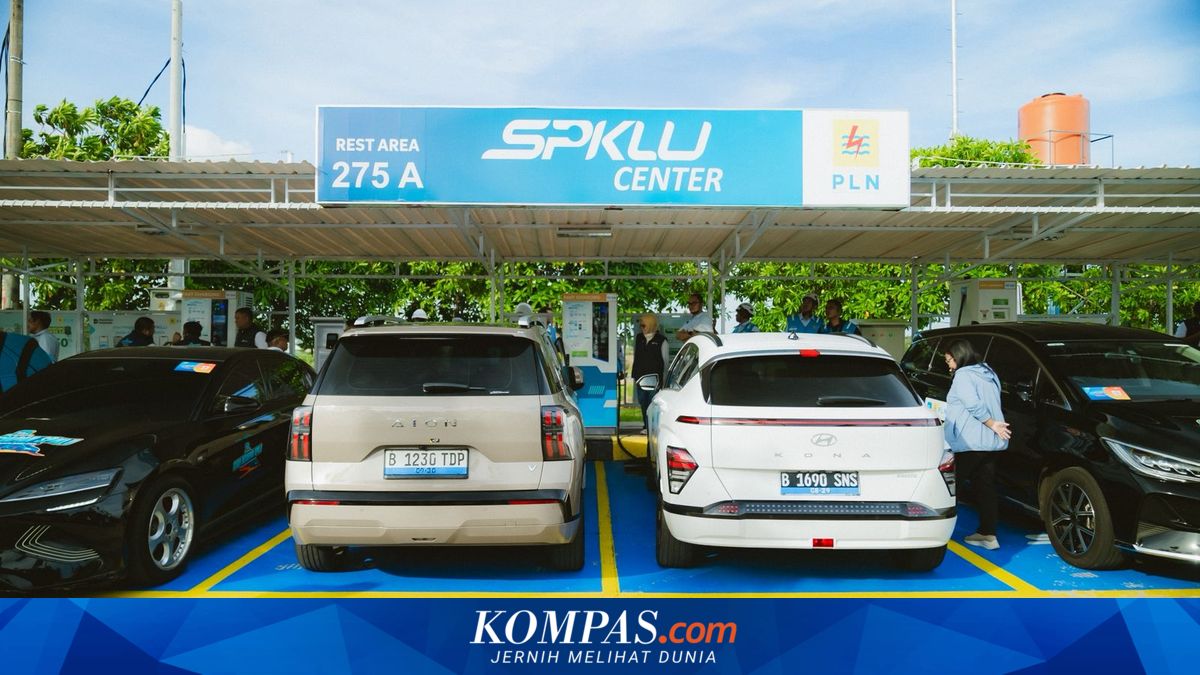
JAKARTA – The relatively high price of electric vehicles continues to be the main obstacle for the public in switching from fuel-based vehicles (BBM). Although public perception towards electric vehicles is increasingly positive, adoption is not yet ready to make them the primary vehicle for daily activities. Wirdatul Aini, a researcher from Kompas’ Litbang, stated that survey results show price as the most dominant consideration that makes the public hesitant to switch to electric vehicles. According to her, this condition positions electric vehicles more as a complement rather than a replacement for conventional vehicles. However, in the long term, electric vehicles are expected to become the main solution for more environmentally friendly mobility. For example, the entry-level model like the Wuling Air EV is priced starting from around Rp 184 million. This figure is still considered high for some of the public, especially when compared to basic class conventional cars. In the LCGC (Low Cost Green Car) segment, for instance, the Daihatsu Ayla type 1.0 M M/T is still in the range of Rp 130-138 million with larger dimensions. Besides price, the public also considers usage efficiency. Fuel-based vehicles are still seen as more practical because refuelling time is much shorter compared to charging electric vehicles, which can take longer. Limitations in infrastructure, such as the uneven number of public electric vehicle charging stations (SPKLU), also become another factor reinforcing public doubts. This makes the use of electric vehicles not yet as flexible as conventional vehicles, especially for long-distance trips. On the other hand, the survey also notes that the public actually has high expectations for the government’s role in addressing these obstacles. One of them is through policies that encourage electric vehicle prices to become more affordable, either through tax incentives or other support. Not only that, the public also hopes for encouragement to automotive manufacturers to increase production of electric vehicles at more competitive prices. Thus, electric vehicles will no longer be an alternative item, but the main choice for the wider public.