
Electric Vehicle Era: Car Weights in China Increase by 392kg Over 12 Years
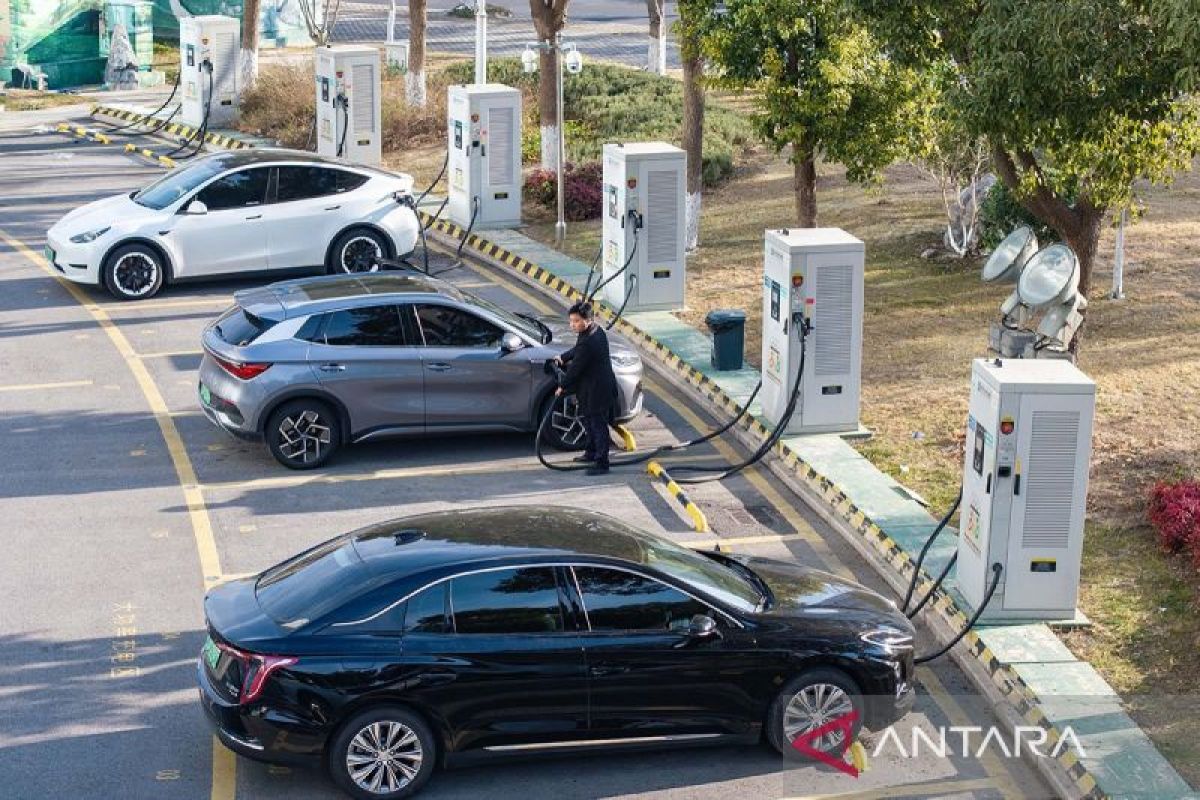
Passenger cars in China have become substantially heavier, with the average curb weight of new vehicles increasing from 1,312kg in 2012 to 1,704kg in 2024, representing a rise of 392kg over 12 years. Data cited by the state broadcaster CCTV, via Carnewschina, indicates that the rate of weight increase is accelerating, with the weight added between 2020 and 2024 exceeding the total increase recorded during the previous eight years.
Industry experts suggest that the primary driver of this weight gain is China’s rapid transition towards electrification. Current lithium iron phosphate (LFP) and lithium ternary batteries still face limitations in energy density. To extend driving range, manufacturers frequently install larger battery packs, significantly increasing vehicle mass. Long-range variants may utilise battery packs weighing between 700kg and 800kg. Additionally, electric motors, power electronics, and reinforced battery protection structures further contribute to the total weight.
Consumer demand is also shifting towards larger vehicles. Full-sized SUVs, luxury MPVs, and flagship ‘9-series’ models are gaining popularity, prompting manufacturers to increase vehicle dimensions and add more comfort features. Data from China EV DataTracker shows that large vehicles remain highly sought after in China’s premium segment. For instance, Maextro shipped 1,147 units of its S800 model in April 2026, a 46.5% increase from the previous month. The brand reached a monthly peak of 4,223 units in December 2025, demonstrating robust demand for large flagship vehicles, even when curb weights exceed 3 tonnes.
However, heavier vehicles lead to increased energy consumption, accelerated tyre and brake wear, and can negatively impact vehicle handling characteristics. Industry estimates cited by CCTV suggest that reducing vehicle weight by 100kg could lower electricity consumption by approximately 7.5% per 100km. Other concerns include the rising demand for battery raw materials, higher emissions during the production process, and increased road damage caused by heavier vehicles.
Chinese regulators have begun responding through efficiency-focused standards. The national standard ‘Limits of Energy Consumption for Electric Vehicles Part 1: Passenger Cars’ will take effect on 1 January 2026, introducing stricter energy consumption requirements. Furthermore, tax incentive rules scheduled for 2026 will require battery electric vehicles weighing more than 2,710kg to achieve a CLTC electricity consumption of below 19.1 kWh per 100km to qualify for tax relief.
Automakers are increasingly investing in lightweight materials, semi-solid-state batteries, and higher energy density battery chemistries as the industry strives to balance vehicle size, range, safety, and efficiency. As battery technology advances, reducing vehicle weight may become as critical as increasing range in the next phase of China’s electric vehicle development.