
Electric Vehicle Conversions: Legal and IP Challenges for the Government
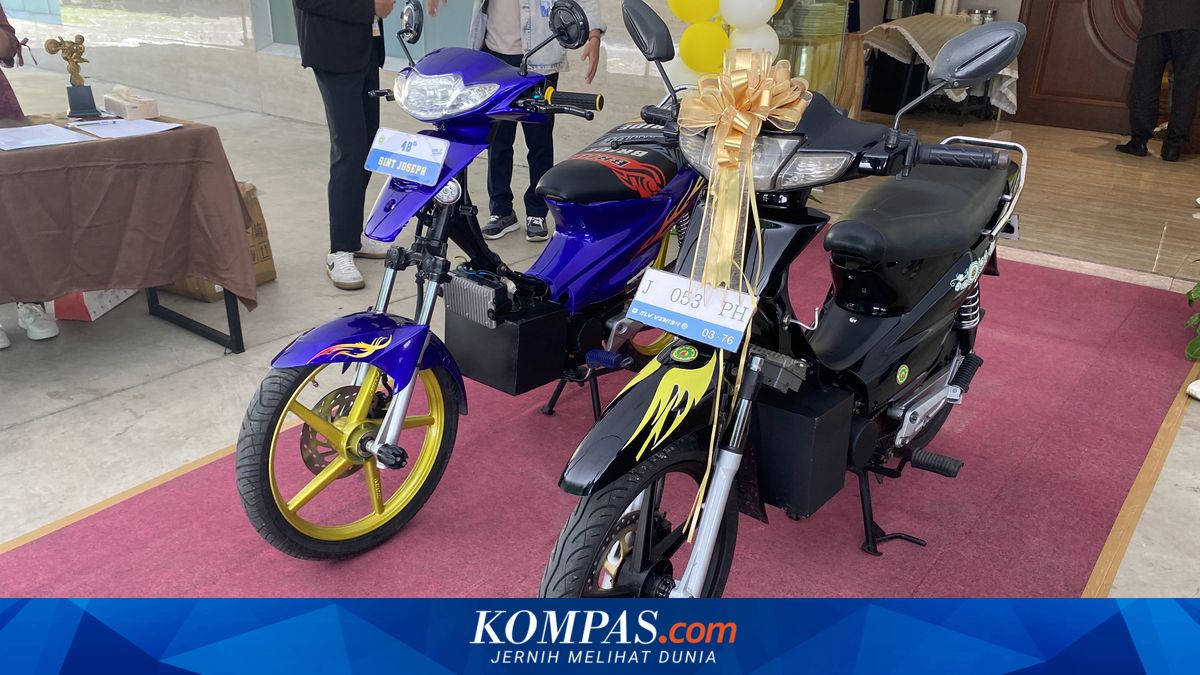
JAKARTA, KOMPAS.com — The ambitious plan by Indonesian President Prabowo Subianto to accelerate the electrification era in Indonesia has again come under the spotlight.
In a recent plenary session of the Indonesian House of Representatives (DPR RI), Prabowo firmly asserted the government’s commitment to accelerating the conversion of conventional motor vehicles, both cars and motorcycles, into battery-powered electric motor vehicles (KBLBB).
However, behind the green ambition there are obstacles poised to derail the mass-conversion programme.
One of the most crucial is the issue of intellectual property rights and the legality of Brand Holder Agencies (APM).
Agus Pambagio, a member of the Transport Society Indonesia (MTI) Council of Advisors and a public policy analyst, warned the government not to act rashly.
According to him, every unit of car and motorcycle on Indonesian roads is bound by patents and technical regulations from a given manufacturer.
“The brand is clear; it uses a combustion engine. If it is converted, it is therefore altered,” Agus said when contacted by Kompas.com recently.
“Well, there are rules for that, because it belongs to someone; if altered you must first obtain permission from the brand owner. If you just dismantle it, there could be a legal suit,” he said.
Not without reason did Agus remind of this. Drastically changing the vehicle’s innards from relying on an internal combustion engine to an electric motor and battery would fundamentally alter the vehicle’s original specifications.
Agus added that this also forms the basis on ethical grounds.
The aim is to ensure that brand owners are not angry or offended if their product is altered at will.
Moreover, the matter of conversion is not merely about aesthetics or on-paper performance; it also concerns the lives of road users.
If the conversion is carried out by a workshop not officially certified by the APM, the risk of component failure is very high.
“From a safety perspective it also becomes an issue, because the party carrying out the changes must have the owner’s approval. If anything happens, the owner cannot be held responsible,” he said.
Source: jawawa.id (https://jawawa.id/newsitem/electric-vehicle-conversions-legal-and-ip-challenges-for-the-government-1779542511)
Originally published by Kompas (https://otomotif.kompas.com/read/2026/05/21/193100815/konversi-kendaraan-listrik--tantangan-legalitas-ip-buat-pemerintah?utm_source=ABC&utm_medium=rss), translated from Indonesian