
Electric Vehicle Charging Does Not Always Need to be Full: Calculating Power Requirements
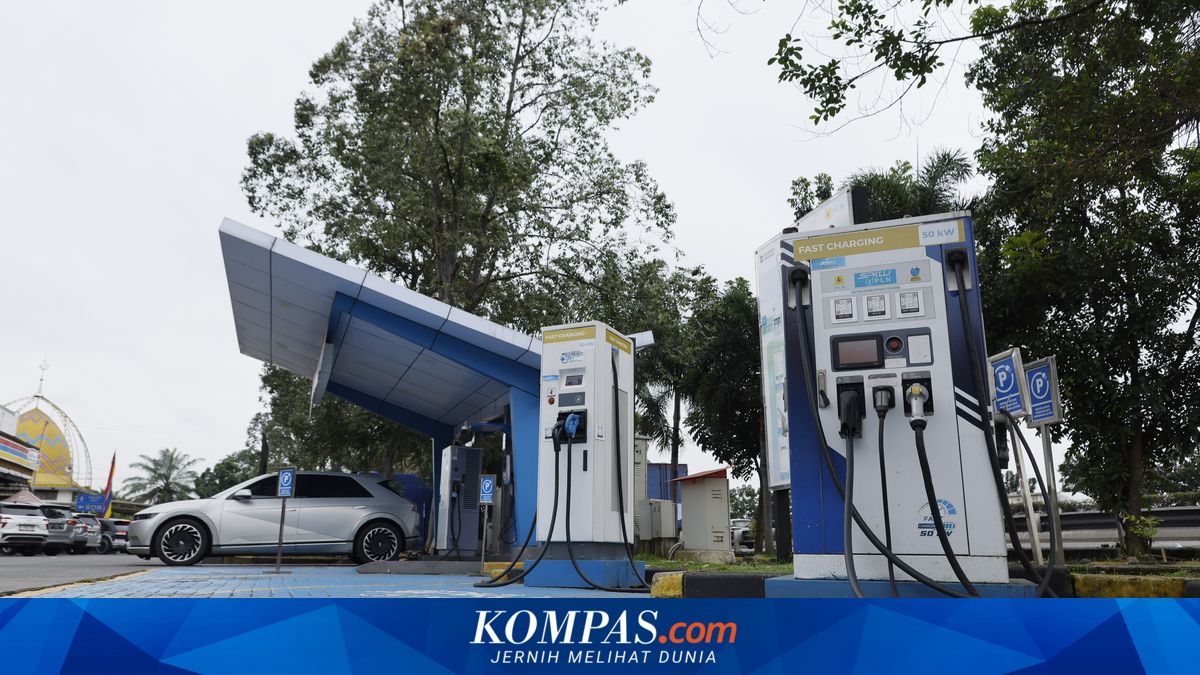
JAKARTA — A common habit among new electric vehicle (EV) owners is to charge the battery to full capacity every time they stop at a Public Electric Vehicle Charging Station (SPKLU). Achmad Rofiqi, Vice Chairman of Public Relations and Education at the Indonesian Electric Vehicle Industry Association (Periklindo), stated that this method is not always the most efficient choice.
According to Rofiqi, EV charging should be adjusted based on travel needs and the remaining battery capacity, rather than solely aiming for the 100 per cent mark. He noted that EV users need to begin changing their mindset regarding charging habits, as electric vehicles are more effective when charging is aligned with the required driving range.
Rofiqi provided an example of a trip from Jakarta to Bandung, West Java; if the current battery capacity is sufficient, there is no need to charge to full. He acknowledged that ‘range anxiety’—the fear of running out of power—is a common feeling for those newly transitioning to electric vehicles. However, as experience grows, users will better understand their vehicle usage patterns and energy requirements.
“For those newly switching to electric vehicles, that sense of anxiety and worry is natural. However, over time, they will become accustomed and begin to understand their usage patterns,” said Rofiqi.
He explained that the charging process is becoming increasingly convenient due to integration with various applications, including the PLN (State Electricity Company) app. Consequently, users can estimate their energy needs before charging. “Charging is now easier because it can be done through the PLN application. Just like when buying fuel, we can calculate the required energy needs without always having to fill it to the brim,” he added. He further noted that charging speed tends to decrease as the battery capacity approaches full.