
Electric Motorcycle Conversion Facilities Meet Less Than 1% of National Need
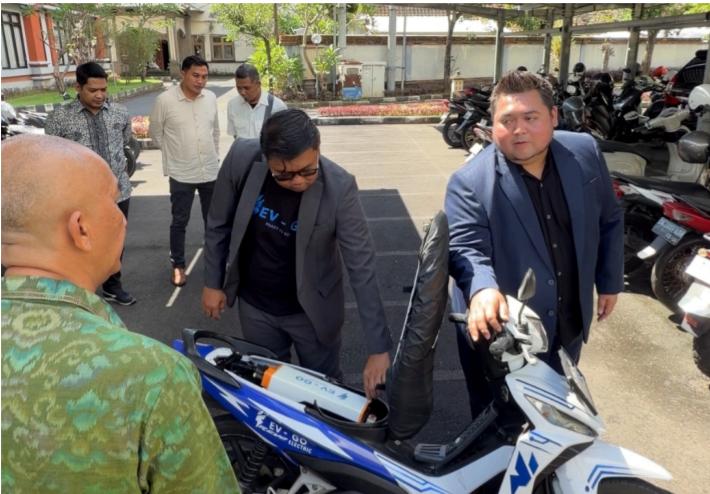
Amid national electrification targets for transport, the EV-GO programme, initiated in collaboration with the EV-READY Group ecosystem, has been introduced as an effort to accelerate the conversion of motorcycles to electric vehicles through the development of an integrated and sustainable ecosystem in Indonesia. The acceleration of electric vehicle conversion is being pursued because the presence of electric motorcycles in Indonesia still faces various challenges, particularly in terms of the readiness of supporting facilities and infrastructure.
The programme, which has made Bali a national pilot project, previously received a positive welcome from the Governor of Bali, Wayan Koster, and officials from the Provincial Manpower and Energy and Mineral Resources Agency (Disnaker ESDM).
President of EV-READY, Raine Renaldi, stated that the programme to convert millions of motor vehicles in Indonesia cannot be executed by just one or two parties. Involvement from all elements of industry and society is required for the acceleration of vehicle electrification to proceed sustainably.
“A programme to convert millions of motorcycles into electric motorcycles cannot be carried out by just one or two parties alone. There are five important levels that must be involved: manufacturers, brand-holding distributors, industrial-capacity conversion facilities or workshops, public infrastructure such as battery swap stations, and the public who are part of the electric vehicle ecosystem,” he said.
According to Raine, Indonesia’s biggest challenge currently lies not only in electric vehicle technology but also in the comprehensive readiness of the supporting ecosystem. The available facilities and infrastructure are estimated to currently be able to meet less than 1 per cent of the need to convert over 120 million motorcycles operating in Indonesia. Therefore, the EV-GO programme was established to prepare for and accelerate the national electric motorcycle conversion.
“The EV-GO programme promotes the concept of accelerating the conversion of internal combustion engine two-wheeled vehicles into electric vehicles through an integrated industrial and ecosystem approach. This programme not only focuses on vehicles but also encourages the development of large-scale conversion workshop networks, the development of human resources in the electric vehicle sector, as well as the construction of supporting energy infrastructure,” he explained.
Raine assessed this step as relevant considering Indonesia is one of the largest two-wheeler markets in the world. Currently, based on national automotive industry data, the number of motorcycles in Indonesia has exceeded 120 million units and continues to grow annually.
“In the initial phase of implementation in Bali, EV-GO has conducted a series of technology presentations and explored collaboration with local government and various related stakeholders. Bali was chosen because it is considered to have regulatory readiness and a commitment to clean energy that is relatively more advanced compared to a number of other regions,” he clarified.
Raine noted that, besides supporting efforts to reduce carbon emissions, the electric motorcycle conversion programme is also projected to create new economic opportunities, ranging from the vehicle conversion industry, local component manufacturing, and the development of a battery swap ecosystem, to green industry-based job creation.
“If this ecosystem can be built nationally, Indonesia is considered to have a great opportunity to become one of the largest centres for the electric vehicle industry and EV conversion in the Southeast Asian region,” he concluded.