
Electric Cars Subject to Tax: How Much Annual Cost Must Be Paid?
JAKARTA, KOMPAS.com – The tax costs for electric vehicles in 2026 have come under scrutiny following the issuance of Minister of Home Affairs Regulation (Permendagri) Number 11 of 2026. This regulation means that the scheme for electric vehicle incentives is no longer uniform nationwide, as authority has now been delegated to regional governments.
This means that electric vehicles will still be subject to taxes, but they will receive various reliefs such as exemptions or discounts that now depend on the policies of each region.
Head of the Center of Industry, Trade and Investment at INDEF, Andry Satrio Nugroho, said that consumers now need to recalculate the total costs they must bear.
“With the absence of certainty on tax exemptions, there will be additional burdens that consumers must pay, both at the beginning and annually,” he told Kompas.com.
Example of electric vehicle tax costs
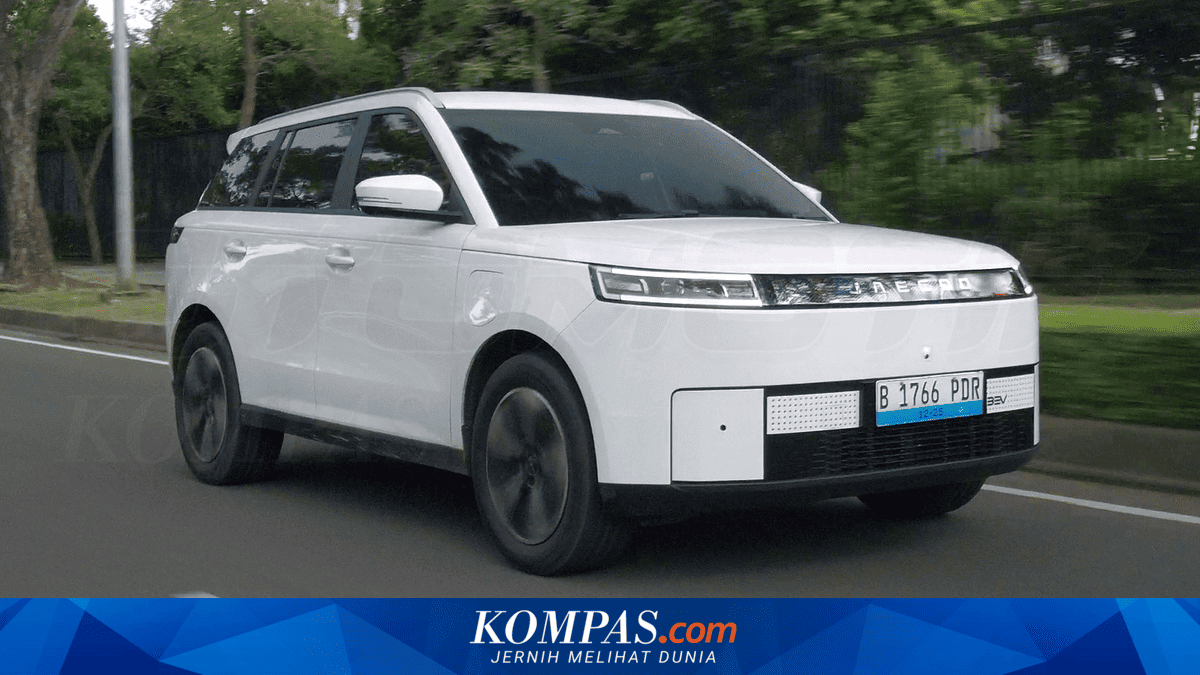
As an illustration, an electric vehicle like the Jaecoo J5 standard variant priced at Rp 279.9 million (OTR Jakarta) could be subject to a motor vehicle ownership transfer fee (BBNKB) of around 10–12 percent in regions that no longer provide full incentives.
Under this scheme, the ownership transfer fee could reach Rp 28 million to Rp 33 million, which must be paid at the initial purchase of the electric vehicle.
In addition, vehicle owners must also pay annual taxes. The amount varies, but in regions without full incentives, it could reach around Rp 3 million to Rp 5 million per year, depending on each province’s policies.
It should be noted that some regions still provide tax relief for electric vehicles to date, so the burden on consumers can vary.
With this change in scheme, the total cost of owning an electric vehicle no longer only includes the vehicle price. Consumers must also factor in tax burdens that were previously relatively light, especially in regions that no longer provide maximum incentives.
This situation could affect the calculation of long-term cost efficiency, which has been one of the main attractions of electric vehicles.
In addition to impacting consumers, this policy could also make the electric vehicle market non-uniform. Differences in tax policies between regions can affect selling prices as well as manufacturers’ distribution strategies.
In fact, the government has previously actively encouraged the acceleration of electric vehicle adoption to reduce dependence on fuel oil (BBM).
Source: jawawa.id (https://jawawa.id/newsitem/electric-cars-subject-to-tax-how-much-annual-cost-must-be-paid-1776819053)
Originally published by Kompas (https://otomotif.kompas.com/read/2026/04/22/072200015/mobil-listrik-kena-pajak-berapa-biaya-tahunan-yang-harus-dibayar-?utm_source=ABC&utm_medium=rss), translated from Indonesian