
Electric Cars Hit with Taxes as Fuel Prices Rise, Rp 44 Trillion Investment at Risk
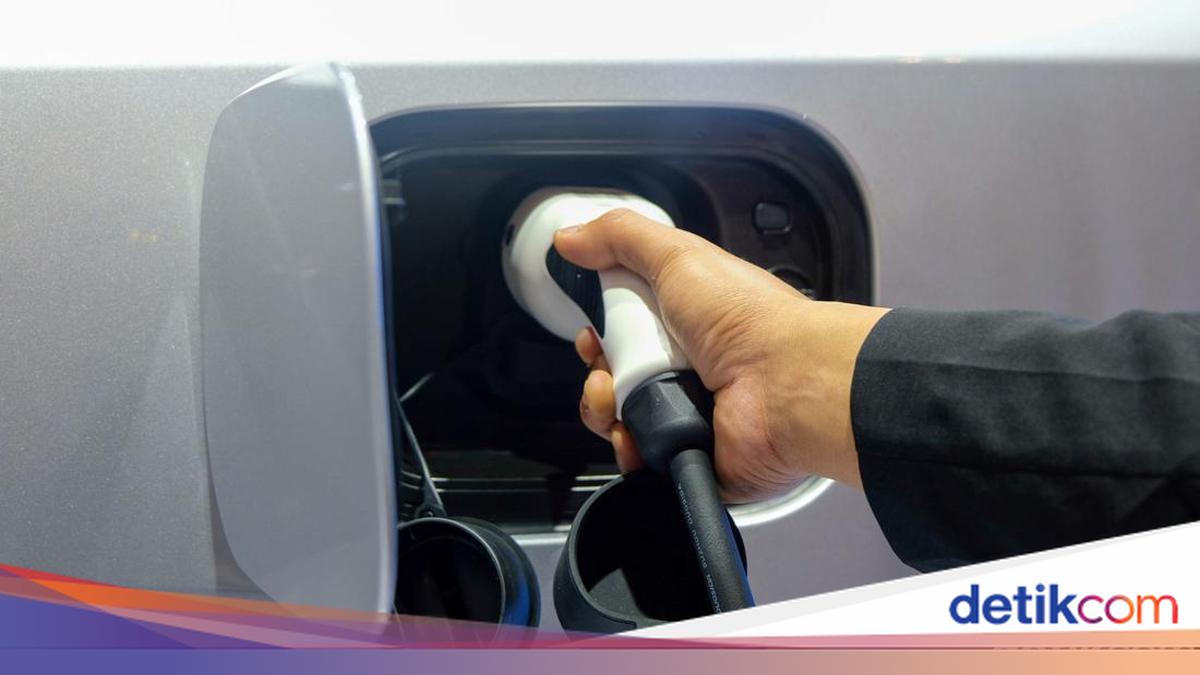
The INDEF Green Transition Initiative (INDEF GTI) assesses that Minister of Home Affairs Regulation (Permendagri) No. 11 of 2026 is counterproductive to President Prabowo’s directives for national vehicle electrification.
At a time when incentives are still needed to encourage wider adoption of electric cars, the revocation of tax exemption certainty in the regulation could make the public even more reluctant to switch to electric vehicles.
“The government is sending a contradictory message to the public and investors, which will ultimately harm all parties,” stated Andry Satrio Nugroho, Head of the Center of Industry, Trade and Investment at INDEF, in a written statement on Tuesday (21/4/2026).
On one hand, President Prabowo Subianto is firmly promoting widespread vehicle electrification as a key strategy to reduce dependence on fuel oil (BBM), whose prices continue to soar.
Prabowo recently announced plans for electric car production as one of the national strategic projects. This ambitious goal requires one absolute element: a domestic market capable of absorbing the production.
Rather than facilitating the purchase of electric cars for the public, the regulation instead adds obstacles by revoking the tax exemption certainty previously enjoyed by electric cars. The regulation on electric car taxes is then delegated to local governments, resulting in varying implementations across regions.
This regulatory uncertainty threatens electric vehicle investments, which have reached US$2.73 billion or Rp44.23 trillion over the past three years and are expected to continue growing.
INDEF’s study estimates that if the electric car ecosystem continues to be developed, it could add Rp225 trillion to Indonesia’s GDP and create 1.9 million new jobs through domestic manufacturing industry development by 2030.
“If regulatory uncertainty persists, I fear electric car investors will shift to countries that provide stronger incentives, such as Vietnam,” Andry added.
Root of the Problem: Misdirected Subsidies and Hasty Policies
INDEF’s 2023 study found that 63% of the Pertalite quota is enjoyed by the upper-middle class. A follow-up INDEF GTI study in 2025 also revealed that each car receives an average state subsidy of up to Rp15.5 million annually.
In contrast, electric cars receive an average subsidy of only Rp2.3 million per year. “Therefore, adopting electric cars is actually cheaper and has cleaner emissions,” Andry explained.
The revocation of tax exemption certainty will impose a double burden on consumers. For example, purchasing an electric car worth Rp400 million would incur a re-registration fee of up to Rp48 million payable upfront, plus an annual tax of around Rp5 million.
“Ironically, this new regulation equates the tax burden between emission-free electric cars and fuel-powered cars that produce environmentally damaging emissions,” Andry stated.
At the local level, provincial governments are given only 15 days to adjust their tax policies. This short deadline leaves no room for proper studies or adequate public consultations.
The result could be makeshift regulations that only add to consumer confusion across regions. Meanwhile, the fuel-to-electric vehicle conversion industry, which is highly suitable for ride-hailing and public transport needs, is also impacted by the unclear rules, hindering its potential development.
Alternative Solutions
INDEF GTI urges the government to instead strengthen incentives to bolster the electric car ecosystem and reduce dependence on BBM. This can be achieved by reviewing Minister of Home Affairs Regulation No. 11 of 2026 and continuing efforts to ensure fuel subsidies are targeted appropriately in stages to avoid public shock.
INDEF GTI believes Indonesia has all the necessary assets to become a major player in electric vehicles in Southeast Asia, from critical mineral reserves and operational battery factories to a large domestic market and national electric car PSN ambitions. However, all this potential could be wasted if the government remains inconsistent with conflicting policies.
Source: jawawa.id (https://jawawa.id/newsitem/electric-cars-hit-with-taxes-as-fuel-prices-rise-rp-44-trillion-investment-at-risk-1776757898)
Originally published by finance.detik.com (https://finance.detik.com/berita-ekonomi-bisnis/d-8454113/mobil-listrik-kena-pajak-saat-harga-bbm-naik-investasi-rp-44-t-terancam), translated from Indonesian