
Electric bus TKDN target to reach 60 percent as government prepares incentives
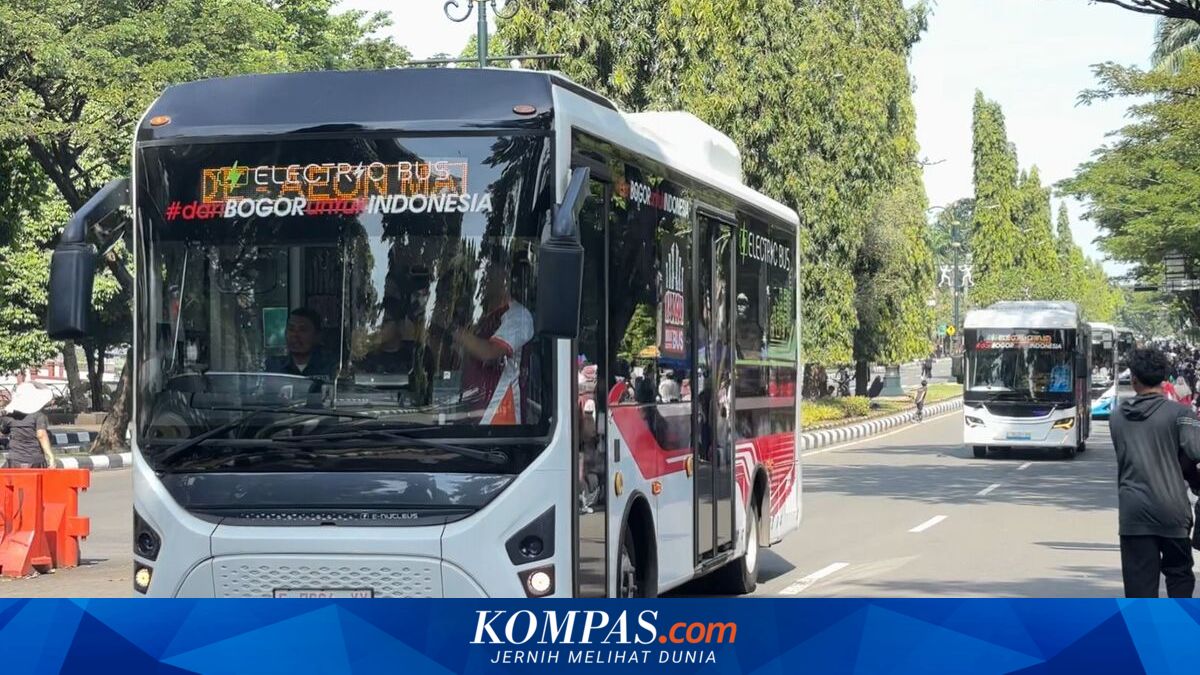
JAKARTA — The Indonesian government continues to accelerate the adoption of battery-based electric motor vehicles, with a particular focus on the mass transit sector. This push is reinforced by a new incentives roadmap that will use the Domestic Component Level (TKDN) as a key eligibility criterion.
Mahardi Tunggul Wicaksono, Director of Maritime Industry, Equipment, and Defence Equipment (ILMATAP) at the Ministry of Industry (Kemenperin), stressed that the domestic automotive sector is already ready to embrace the era of green mobility. However, the government will ensure incentives are applied consistently by tightening the TKDN component value.
“The government will consistently oversee adjustments to TKDN values as a condition for the incentives to be effective. Therefore, the incentives to be implemented will still be in the form of a TKDN trigger. So the TKDN value must be met for colleagues to benefit from the incentives the government will set in the near future,” Mahardi said at the opening of Busworld Southeast Asia 2026 at JIExpo Kemayoran, Jakarta, on Wednesday 20 May 2026.
Mahardi added that the industry is currently in the final phase or market creation with an initial target of at least 40% TKDN for electric buses. It is commendable that several local electric bus products and their bus body-building industry have already achieved that level. “We are currently in the final phase or market creation with a 40% TKDN target. As we know, according to our EV roadmap, the TKDN value next year 2026 will continue rising to 60 percent,” Mahardi said.
To pursue this target, the Ministry of Industry is revising the Decree of the Permendik/J… (Note: In Indonesian the Perdirjen TKDN Komponen Utama and Permenperin No. 35 of 2025 were mentioned; in English corresponding terms are Decree of the Director General for the Main TKDN Components and Ministerial Regulation No. 35 of 2025 respectively). The step is taken to accommodate proposals from the local bus body-building industry so that some of its components can be included in the calculation. This is crucial given that many regional governments are gradually shifting their transport fleets to electric buses.
In response to the leap in electric bus technology, the Ministry of Transport (Kemenhub) reminded that safety aspects should not be sidelined amid massive modernisation. Utomo Harmawan, Sub-director of Non-Route Transport, Directorate of Road Transport, Ditjen Perhubungan Darat, Kemenhub, said that vehicle modernisation and industrial expansion must run in parallel with meeting vehicle technical standards. “Safety and road-worthiness remain fundamental principles in the development of land transport. Vehicle modernisation and industry expansion must go hand in hand with higher safety standards, fulfilment of vehicle technical aspects, protection for users of transport services, and the strengthening of a safety culture in the operation of road transport,” Utomo asserted.
For Kemenhub, the growth of bus production capacity, including domestically produced electric buses, is only considered successful if it directly benefits the public in the form of safe, modern, and sustainable transport services.