
Election Bill: What Is at Stake in the House of Representatives?
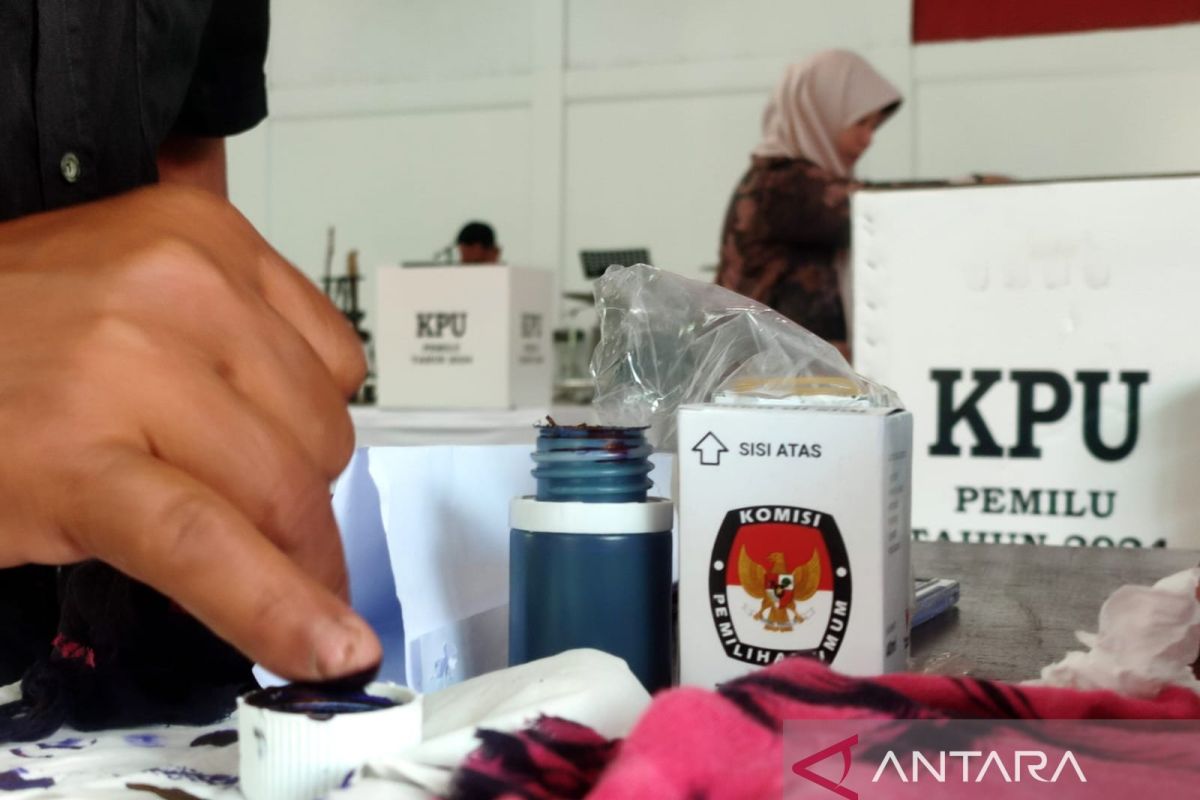
Election laws do not belong to the parties currently negotiating in Parliament.
Jakarta (ANTARA) — Democracy is not tested only when people go to polling stations. It is tested well before that, when those in power formulate the rules governing how people’s votes are counted, who may serve as their representatives and how political power is contested.
It is in this rule-making process that political interests, the will of the people and democracy’s future converge. Sometimes they align, but often they conflict.
For that reason, the House of Representatives’ (DPR) discussion of the Election Bill warrants close scrutiny. The public should not merely be informed about changes to articles or the election timetable.
People must be able to establish whether new rules genuinely broaden public participation, protect the equality of votes and curb the dominance of political elites.
Elections may continue to be held regularly, while the quality of democracy declines if the rules serve those in power above all else.
As of mid-October 2026, the DPR’s Commission II had established a working committee to draft the Election Bill. The committee’s formation on 29 September and the appointment of Bahtra Banong as its chair on 8 October marked the formal start of the drafting process.
The DPR leadership said the discussions would take into account the interests of democracy, popular sovereignty and legal certainty, as well as the principles that elections be direct, universal, free, confidential, honest and fair.
The DPR also said it would invite input from the public, political parties, academics and other relevant groups.
The process should therefore be understood as the drafting and discussion of a bill, rather than a final decision on the design of future elections.
Ten issues
ANTARA and other media reports on 5 October said the Election Bill working committee was discussing ten strategic issues.
These include the electoral system, the structure of representative institutions, the parliamentary threshold, the timing of elections, presidential elections, the use of technology, protection of voting rights, election administration bodies and enforcement of election law.
Of these issues, at least five warrant public attention.
First, will national and regional elections genuinely be held separately? Second, will the parliamentary threshold be raised from 4 to 5 per cent? Third, will regional heads continue to be elected directly by voters or instead by regional legislative councils (DPRD)?
Fourth, how will the number of seats in the DPR and DPRD be determined? Fifth, will the number of commissioners at the General Elections Commission (KPU) and the Election Supervisory Agency (Bawaslu) be increased?
All five issues directly concern citizens’ political rights. The public should therefore look beyond statements by party leaders and examine the reasoning, evidence and consequences behind each option under discussion.
Would separating the elections be better?
Source: jawawa.id (https://jawawa.id/newsitem/election-bill-what-is-at-stake-in-the-house-of-representatives-1792327860)
Originally published by Antara (Indonesian) (https://www.antaranews.com/berita/5795093/ruu-pemilu-apa-yang-sedang-dipertaruhkan-di-dpr), translated from Indonesian