
El Niño to Make 2026 Dry Season Drier, UGM Expert Warns of Land and Forest Fire Risks
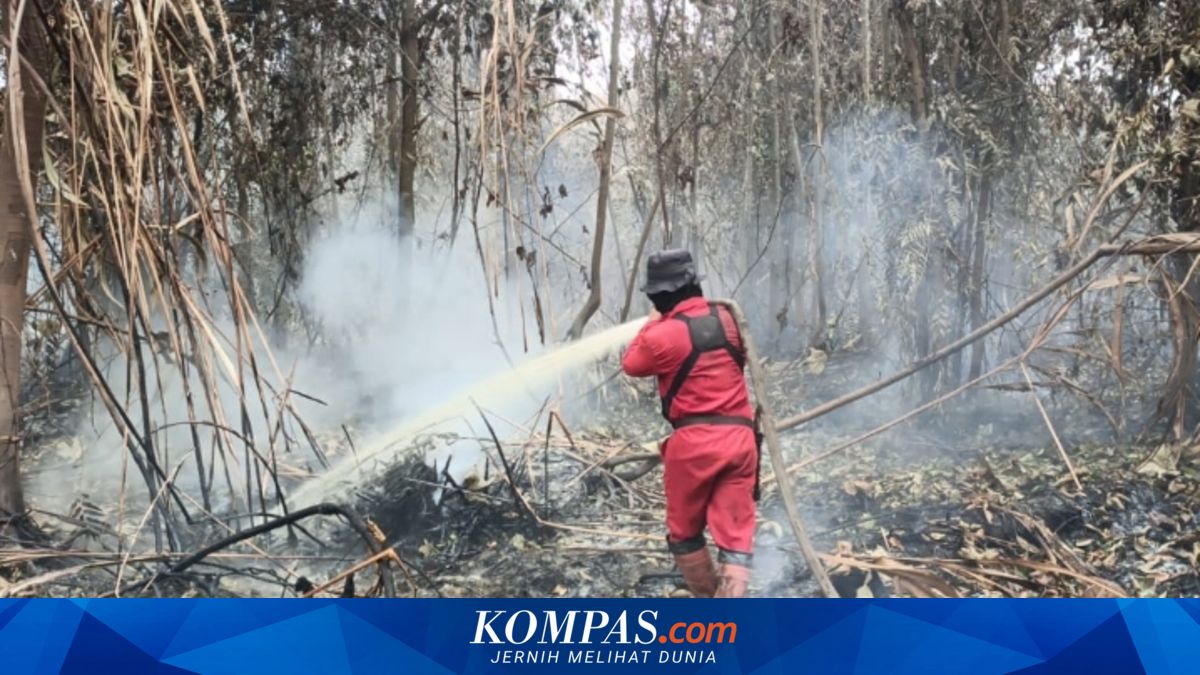
The Indonesian Agency for Meteorology, Climatology, and Geophysics (BMKG) predicts that the El Niño phenomenon will strike Indonesia again in 2026. This condition is expected to trigger a drier and longer dry season, which will simultaneously serve as a severe test for the government’s preparedness in handling land and forest fires (karhutla). By the end of March 2026, around 7 percent of Indonesia’s Seasonal Zones (ZOM) have already entered the dry season. This figure is predicted to continue rising in the coming months due to the influence of global climate variability. “So, the connection is not then with land management, but with the careless use of fire in land management,” said Fiqri in his statement quoted from the UGM website, Wednesday (6/5/2026). He highlighted the prevalent practice of opening land through burning (slash and burn), which is considered quick and cheap. Unfortunately, this practice often neglects safety aspects, such as creating firebreaks. “What is generally not paid attention to by the community is not making firebreaks or not isolating fuel in that area, so the fire spreads everywhere,” he added. Fiqri warned that if forest governance is not improved soon, Indonesia risks experiencing a major karhutla crisis like that in 2015. This risk is much greater in peatland areas, which are highly susceptible to burning down to the subsurface layers. Fires in peatlands are difficult to extinguish and can potentially cause thick haze for a long duration. This not only damages ecosystems but also cripples various aspects of life. “As a result, there will be haze again for a long period, impacting social activities, economic activities, aviation, and public health,” Fiqri emphasised. He appreciated the government’s steps that are now focusing on early warning systems. However, BMKG’s predictions must be followed up immediately with real actions on the ground. “That early warning must be followed by concrete steps in the field, especially by limiting the use of fire in land management and promoting non-burning land-opening alternatives,” he said. In conclusion, Fiqri stressed the importance of routine patrols, peat ecosystem monitoring, and intensive community education. Collaboration and early prevention are the main keys to ensuring Indonesia remains resilient in facing the potential El Niño this year.