
El Nino Strengthens, Global Coffee Supply Under Threat
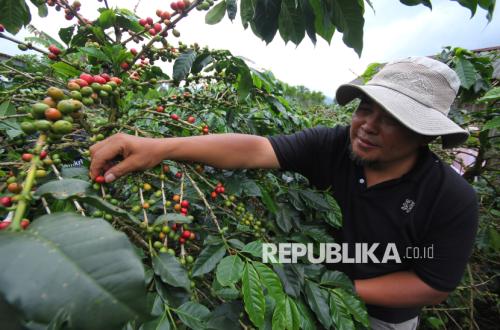
The risk of disruption to global coffee supplies is rising again as the El Nino phenomenon strengthens in the Pacific Ocean. Vietnam, the world’s largest producer of robusta coffee, is expected to face a drought threat during the 2026-2027 planting season. Vietnam’s National Centre for Hydro-Meteorological Forecasting stated that sea surface temperatures in the Nino 3.4 region rose 0.5 degrees Celsius above average in May and reached approximately 0.7 degrees Celsius in early June. These conditions mark the development of an El Nino expected to persist until early 2027. The probability of El Nino reaching a very strong category is estimated to be in the range of 60-65 percent, an increase compared to 20 percent in April and 37 percent in May. Director of the National Centre for Hydro-Meteorological Forecasting Mai Van Khiem said the intensity of this El Nino could potentially match or even surpass the 2015-2016 event, which was one of the strongest phenomena since 1950. The greatest impact is expected in Vietnam’s Central Highlands region, the main hub of national coffee production. The Vietnamese government has warned of potential irrigation water shortages for industrial crops, especially coffee, during the 2026-2027 dry season. Vietnam is the world’s largest supplier of robusta coffee. Approximately 95 percent of the country’s coffee production comes from the robusta variety, which is widely used for instant coffee and espresso blends. The threat to Vietnamese production could affect the global coffee market. Robusta prices briefly reached multi-decade highs in 2024 to early 2025 due to dry weather in several producing countries. Prices then corrected throughout 2026 after the market anticipated a large harvest in Brazil and a global supply surplus. In addition to threatening the plantation sector, El Nino is expected to increase air temperatures in central, Central Highlands, and southern Vietnam. Temperatures in late 2026 are projected to be 0.5 to 1.5 degrees Celsius above normal, potentially reaching 2 degrees Celsius in some areas. Rainfall is also expected to drop by 25-50 percent, increasing the risk of drought, water crises, and saltwater intrusion in the Mekong Delta region until early 2027. Vietnam’s meteorological agency cautioned that El Nino is not always synonymous with reduced extreme weather. Heavy rain, flash floods, landslides, and strong storms could still potentially occur in several regions. The United States National Oceanic and Atmospheric Administration (NOAA) previously also estimated the chance of El Nino reaching a very strong category at around 63 percent. Several climate models even indicate the intensity of the 2026 El Nino could potentially approach the 1997-1998 event, recorded as one of the strongest in modern history. If prolonged drought occurs in Vietnam’s coffee production centres, global robusta supply could tighten again. This condition could affect world coffee prices, which in recent years have been highly sensitive to weather disruptions in major producing countries.