
El Nino Returns, Japan Braces for Extreme Heat Waves
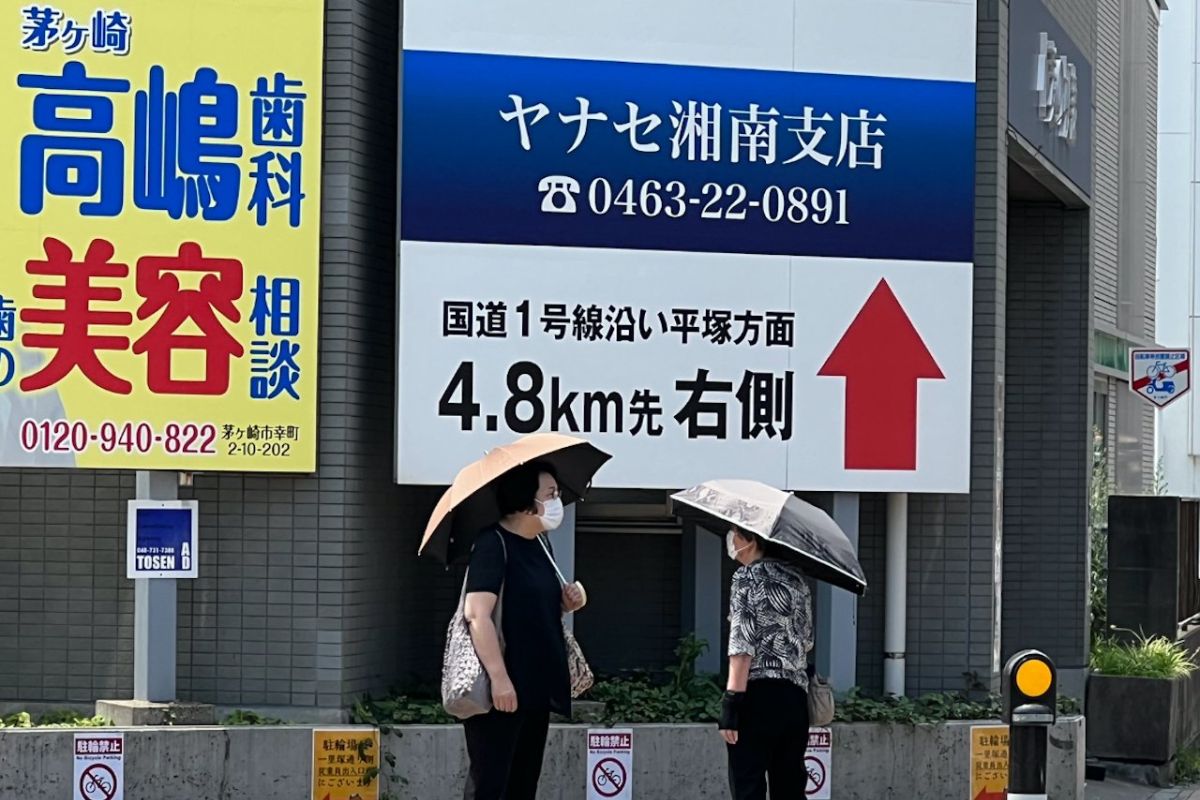
Tokyo (ANTARA) - The El Nino phenomenon has reappeared for the first time in two years and is feared to be developing into a “super El Nino”, which could increase the risk of extreme heatwaves in Japan even though the pattern is generally associated with cooler summers.
Experts warned on Saturday that exceptionally high summer temperatures could once again reduce the quality of Japanese rice this year, as occurred during El Nino in 2023–2024.
The situation is prompting farmers to switch to rice varieties more resistant to high temperatures, after heat damage to the 2023 harvest triggered rice shortages and price surges.
El Nino occurs when sea surface temperatures in the monitoring zone off the coast of Peru remain at least 0.5 degrees Celsius above the reference value for more than six months.
Meteorologists classify the phenomenon as a super El Nino when the temperature rise reaches at least 2 degrees Celsius. Since 1949, only five of 19 El Nino events have reached that threshold, and experts estimate these conditions could begin this month.
During a normal El Nino, convective activity around the Philippines weakens, so the high-pressure system over the Pacific Ocean does not extend too far north. This usually increases cloud cover around Japan and makes the summer cooler.
This year, however, experts expect warm waters around the Philippines to sustain convective activity, allowing the Pacific high-pressure system to move further north. They also forecast westerly winds to shift northwards, making it easier for warm air from southern regions to envelop Japan.
Weather forecasts show temperatures during the July-to-September period are expected to be above average in western and eastern Japan, as well as in the Okinawa and Amami islands in the south. Meanwhile, northern Japan is expected to see temperatures near or slightly above average.
If extreme heatwaves occur, they could disrupt crop growth and reduce agricultural yields.
Yoshihiro Tachibana, a professor of meteorology at Mie University, said average monthly sea surface temperatures during the previous El Nino rose by as much as 2.3 degrees Celsius. According to him, the high summer temperatures at the time contributed to the decline in rice quality.
Koji Nishimoto (42), a rice farmer in Matsuyama City, said he began planting the heat-resistant rice variety “Niji no Kirameki” this year.
“I am worried about the extreme heat, but there is not much I can do. Farmers around me are also starting to switch to other varieties,” he said.
Ryota Kaji, head of the rice breeding group at Japan’s National Agriculture and Food Research Organisation, which developed the variety, said the adoption of heat-resistant varieties is progressing faster than anticipated.
“Its spread is wider than we expected. That may indicate many producers are facing difficulties due to extreme heat,” he said.
Tachibana also cautioned that the impact of global warming threatens not only rice production but also other agricultural commodities and the fisheries sector.
“It is important for us to become increasingly aware of warming driven by extreme weather. Beyond adapting our lifestyles to heavy rain and extreme heat, we also need to change our actions, such as by working to reduce carbon dioxide emissions,” he said.
Source: Kyodo-OANA