
El Niño Peak Predicted Until October, Pramono to Intensify Cloud Seeding
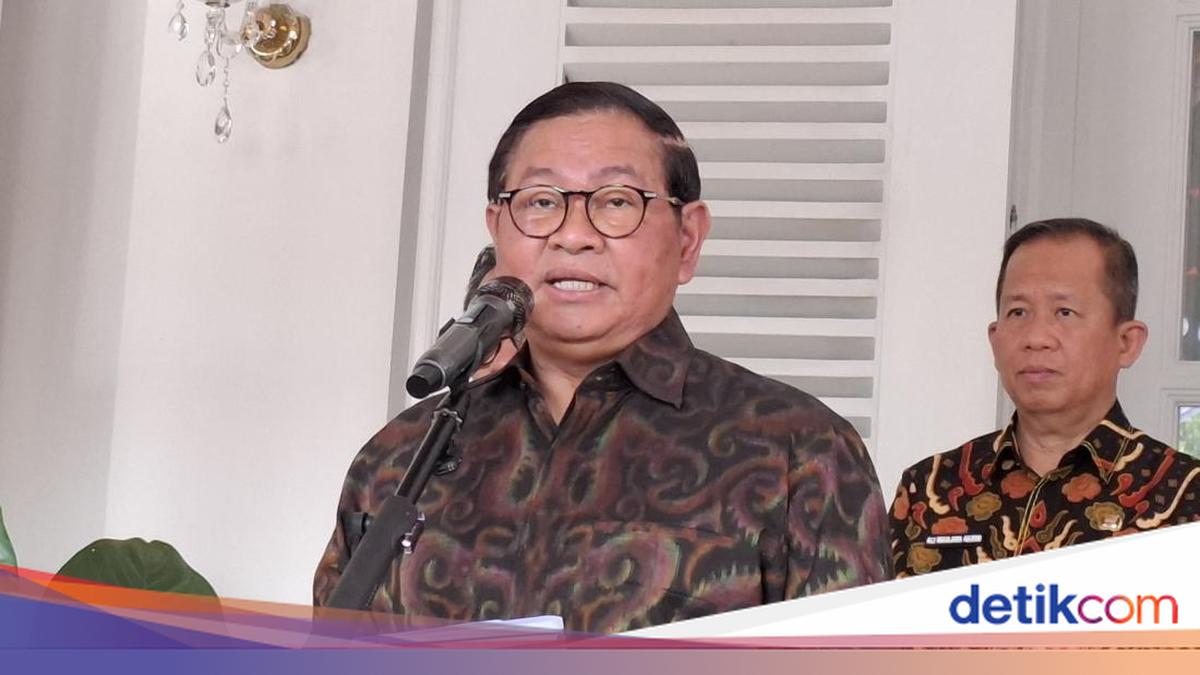
The Jakarta Provincial Government will intensify weather modification operations, or cloud seeding, to twice a week. This step follows predictions that the peak of El Niño will last until the end of September or early October 2026.
Jakarta Governor Pramono Anung said the decision was made after receiving a report from the Jakarta Regional Disaster Mitigation Agency, which coordinated with the National Disaster Mitigation Agency and the Meteorology, Climatology and Geophysics Agency.
“From the existing data, this El Niño peak will be long, possibly one of the longest compared to 2023. Its peak will be around the end of September or the first to second week of October before rain comes,” Pramono said at Jakarta City Hall on Wednesday.
Pramono acknowledged that the biggest challenge in implementing cloud seeding is the scarcity of clouds suitable for modification. However, he noted that the rain that fell on Tuesday night was a stroke of luck. “The problem is the possibility of small clouds. But I have ordered and we have prepared. Last night’s rain was a blessing, there were no clouds but we could still modify them,” he said.
As a result, Pramono has approved routine cloud seeding operations every week. “So, I have given approval for cloud seeding to be conducted once or twice a week if possible, because this will last a long time,” he continued.
Beyond cloud seeding, the Jakarta administration is preparing other mitigation measures for the prolonged dry season. Pramono stated that the government’s two main focuses are ensuring the availability of clean water and anticipating fires. He said city administrations across Jakarta will campaign for the ‘Jaga Jakarta’ movement, focusing on fire prevention and drought preparedness. “The Jakarta government and mayors will campaign for Jaga Jakarta in two areas: fires and clean water supply, which will certainly face obstacles,” he said.
Pramono also requested that every neighbourhood unit begin preparing light fire extinguishers to anticipate the increased risk of fire during the dry season. “I ask every RW to prepare APAR from now on because sooner or later, due to the dry conditions, there is also a risk of respiratory infections,” he added.