
El Nino impact: Panama Canal reduces daily ship transits
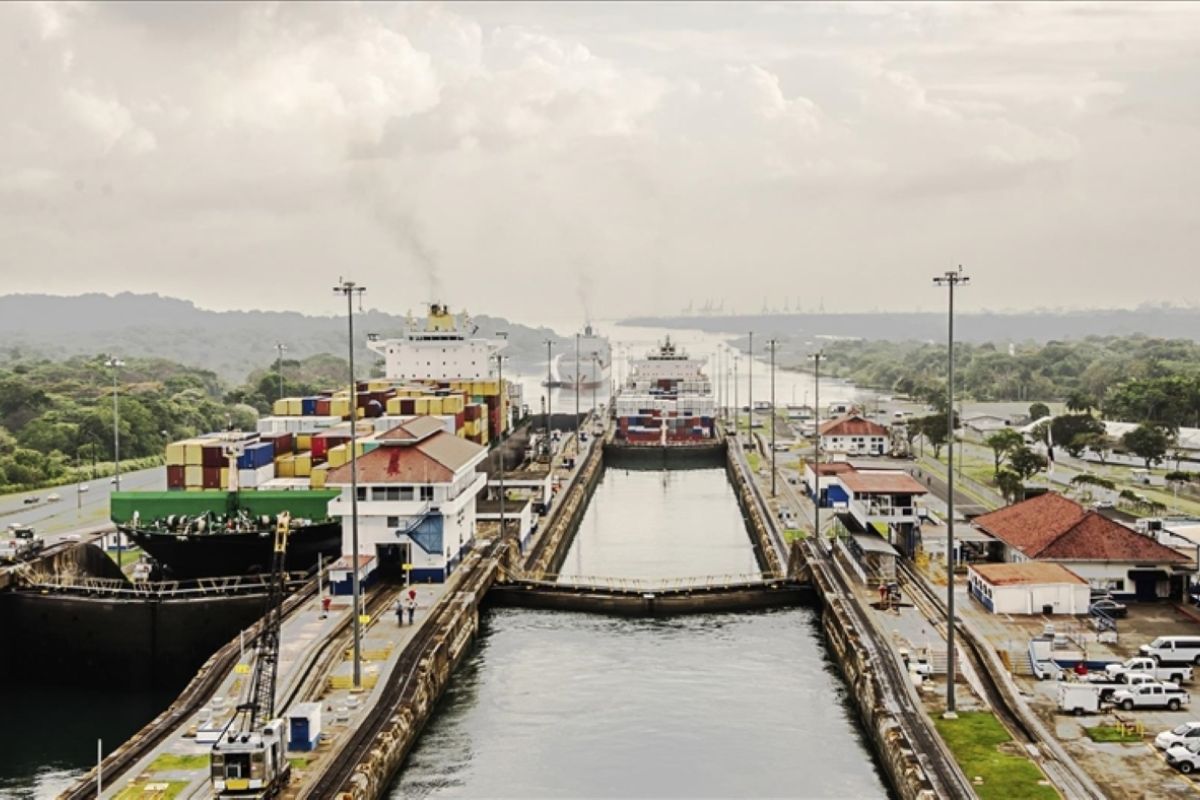
The Panama Canal Authority will reduce the number of ships allowed to pass each day due to low rainfall and a potentially severe El Nino, raising concerns over water availability.
The Panama Canal Authority (ACP) said daily transit slots will be reduced in two stages, from the current 36 to 34 ships for transit schedules starting 4 September, then to 32 ships from 15 September.
The changes will apply to vessels passing through both the Panamax locks and the larger Neopanamax locks.
ACP said accumulated rainfall in the canal’s catchment area from May to August was 34 per cent below the historical average, while water inflows into the area were 44 per cent lower than usual.
Although the rainy season has arrived and water-saving measures have been implemented, the authority said further action is needed to support the long-term operational sustainability of the canal.
ACP added that forecasts indicating a developing 2026-2027 El Nino could potentially become very severe and may further reduce rainfall and water inflows during the remainder of the rainy season.
The authority said the measures aim to maintain the reliability of canal services, protect water supplies for human consumption, and provide sufficient time for shipping companies to plan voyages and manage supply chain activities.
The Panama Canal relies on fresh water from surrounding lakes to operate its lock system. Each ship passing through requires a large amount of water to raise and lower vessels between sea level and Gatun Lake.
ACP also postponed a previously announced reduction in the maximum draught limit for ships using the Neopanamax locks.
The authority said it will continue to monitor weather conditions, lake water levels, and water inflows and may implement further operational changes if necessary.
The restrictions come as the global shipping industry is already facing disruptions from the war in Iran, which has sharply cut ship traffic through the Strait of Hormuz, one of the world’s most important trade routes.
Connecting the Atlantic and Pacific Oceans, the Panama Canal allows ships to avoid the long journey around the southern tip of South America and is a vital route for international trade.
The waterway faced similar restrictions during the 2023-2024 El Nino when prolonged drought forced ACP to gradually reduce daily transits and impose draught restrictions.
The latest reduction will increase the importance of booking transits early. ACP warned users that only confirmed bookings can guarantee a specific transit date.