
El Nino Godzilla: UGM Expert Warns of Harvest Failure and Water Crisis Risks
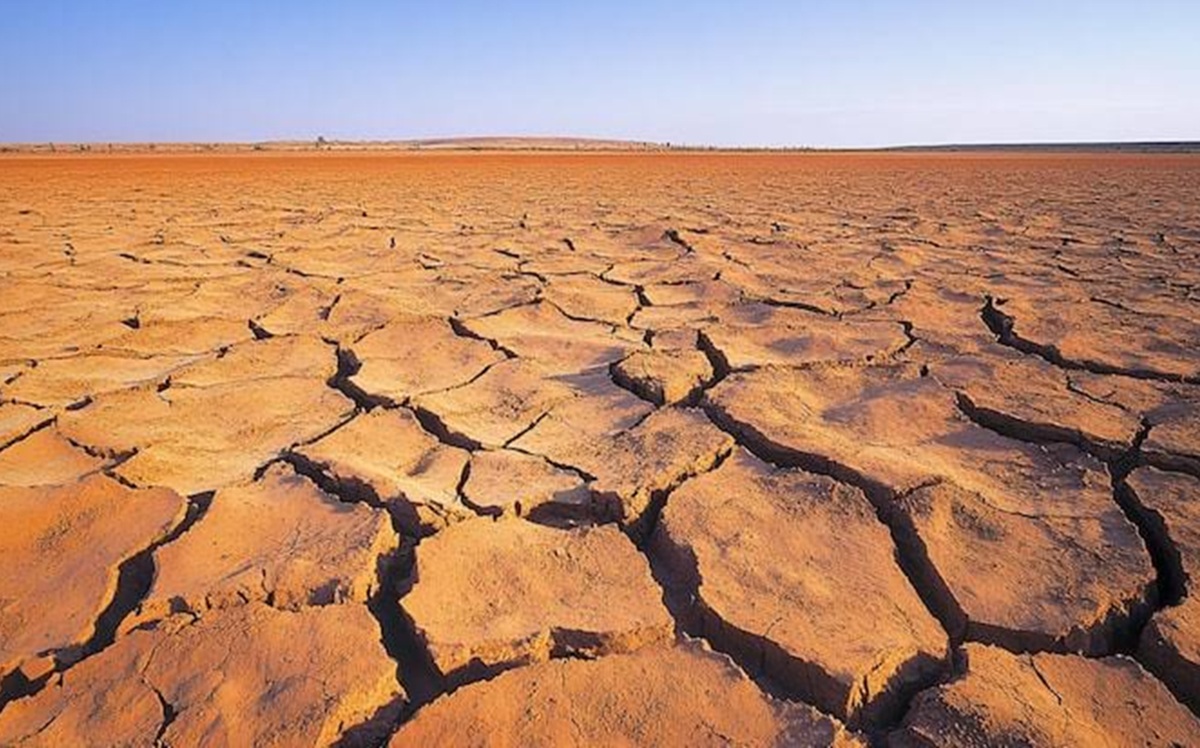
The National Research and Innovation Agency (BRIN) has stated that a combination of a strong El Nino and a positive Indian Ocean Dipole (IOD) could occur during the dry season period from April to October 2026. This condition is expected to prolong the duration of drought and increase the risk of disruption to the agricultural sector and water availability in Indonesia. BRIN also warned that the combination of these two climate phenomena could worsen dry conditions in various parts of Indonesia. This situation is a concern because it has the potential to extend the impact of El Nino already felt during the dry season.
The El Nino phenomenon has returned to the spotlight after experts warned of the potential strengthening of extreme climate conditions known as El Nino ‘Godzilla’. This term refers to a very strong intensity El Nino that can exacerbate the impact of drought, especially in tropical regions like Indonesia. In general, El Nino occurs due to rising sea surface temperatures in the equatorial Pacific Ocean. This temperature increase then affects wind patterns and cloud formation, causing several regions, including Indonesia, to experience reduced rainfall. As a result, the dry season can arrive earlier, last longer, and become drier than normal conditions. The term ‘Godzilla’ itself is not an official scientific term, but a popular nickname to describe a very strong El Nino with the potential to cause major impacts.
The direct impact of this phenomenon is felt in the agricultural sector, which is highly dependent on water availability. Prolonged drought has the potential to reduce production yields, disrupt planting schedules, and increase the risk of harvest failure. Professor of Agrometeorology at Gadjah Mada University (UGM), Bayu Dwi Apri Nugroho, explained that El Nino is a natural cycle that has occurred for a long time. However, global climate change is making its pattern increasingly unstable. ‘If the intensity is very strong, the impact will definitely be felt in agriculture, especially in terms of production,’ said Bayu, quoted from the UGM website. He added that food crops such as rice and maize are the most vulnerable because they are highly dependent on water. When the water supply decreases, plant growth can be disrupted and lead to a decline in yields. ‘If the water is insufficient, their growth is disrupted, and it can even lead to harvest failure,’ he said.
According to him, this condition not only impacts food production but also the income of farmers, who risk suffering losses due to unrecovered planting costs. To face these conditions, Bayu stressed the importance of mitigation measures starting at the farmer level. One of the main keys is strengthening communication between farmers and agricultural extension workers so that weather information and cultivation recommendations can be conveyed properly. ‘The key lies in communication between farmers and extension workers. If the information is clear, farmers can make more appropriate decisions in the field,’ he explained. In addition, Indonesia has actually had various experiences and innovations in dealing with El Nino, such as the use of water-efficient irrigation, pump systems, and the development of drought-resistant crop varieties. However, their effectiveness still depends on the adaptive capacity of farmers and the role of extension workers in assisting farmers directly. ‘The role of extension workers is very important, especially when farmers face prolonged drought like now,’ he stressed.