
El Niño 'Godzilla' phenomenon could trigger heat stroke and diarrhoea in children
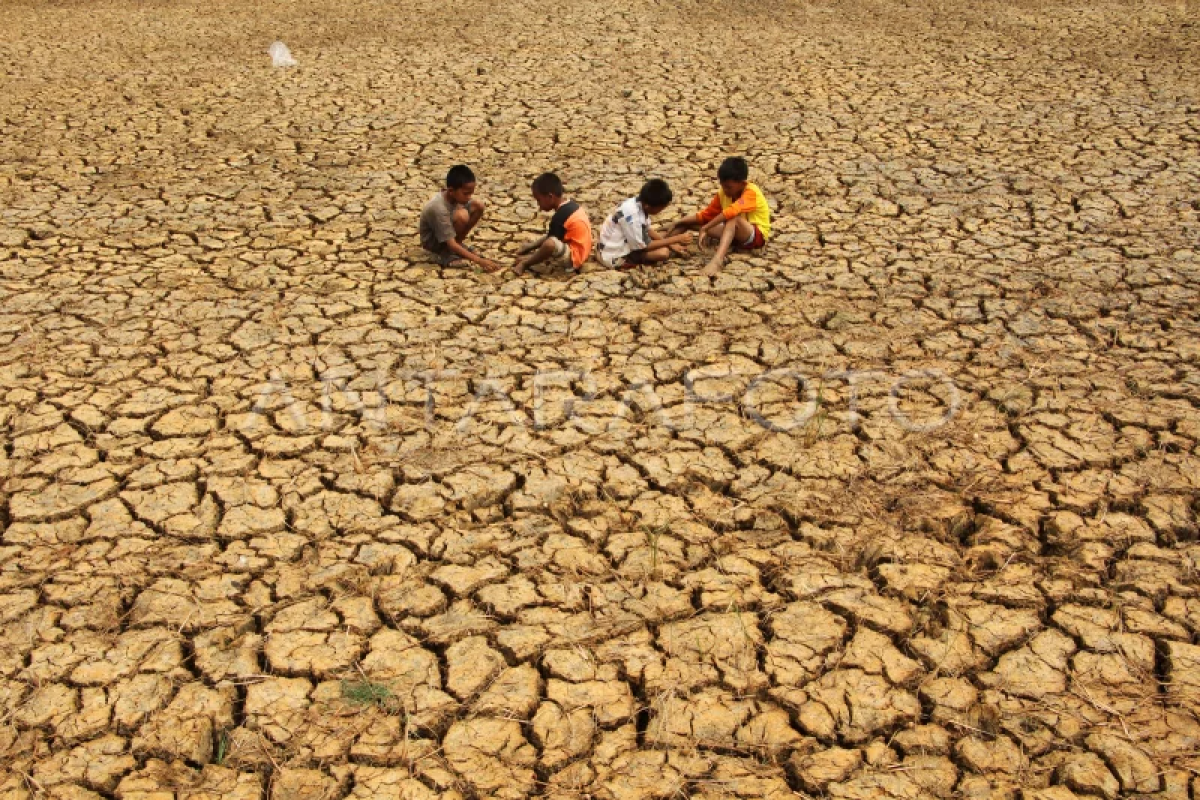
Dr. Piprim Basarah Yanuarso, Sp.A, Subsp.Kardio (K), a physician and the head of the Central Executive Board of the Indonesian Pediatric Society (IDAI), warns that the El Niño ‘Godzilla’ phenomenon could trigger various health problems in children, from dehydration and heat stroke to illnesses caused by a lack of clean water.
‘The El Niño Godzilla phenomenon could trigger extreme drought and also extreme rises in temperature. Moreover, when aggravated by global climate change, the impact on our children could be quite serious,’ he said during an online webinar on Tuesday.
He said children are a particularly vulnerable age group to extreme weather changes.
Heat stroke is an emergency condition where body temperature rises to dangerously high levels due to excessive heat exposure or dehydration, leaving the body unable to cool down.
‘In some areas, children may be forced to drink contaminated water, which can lead to waterborne diseases such as diarrhoea, dysentery, typhoid,’ he said.
‘Therefore, as paediatricians, we need to be vigilant and parents must also be given sufficient information about weather changes related to El Niño,’ he said.
He urged parents to ensure that their children’s fluid needs are met, especially when engaging in outdoor activities.
In addition, he asked the government to prioritise access to clean water and food security at the national level amid the El Niño threat.
‘The El Niño issue is not merely a normal environmental change, but we also need to address it in the context of children’s health issues,’ he said.
In simple terms, El Niño is a phenomenon of warming sea surface temperatures in the equatorial Pacific Ocean. When these temperatures rise sharply, wind patterns and cloud formation change, causing regions like Indonesia to experience reduced rainfall. As a result, the dry season can arrive earlier, be longer, and be drier than usual.