
El Nino 2026 Impact: Aceh Rice Fields Face Delayed Planting for Gadu Season
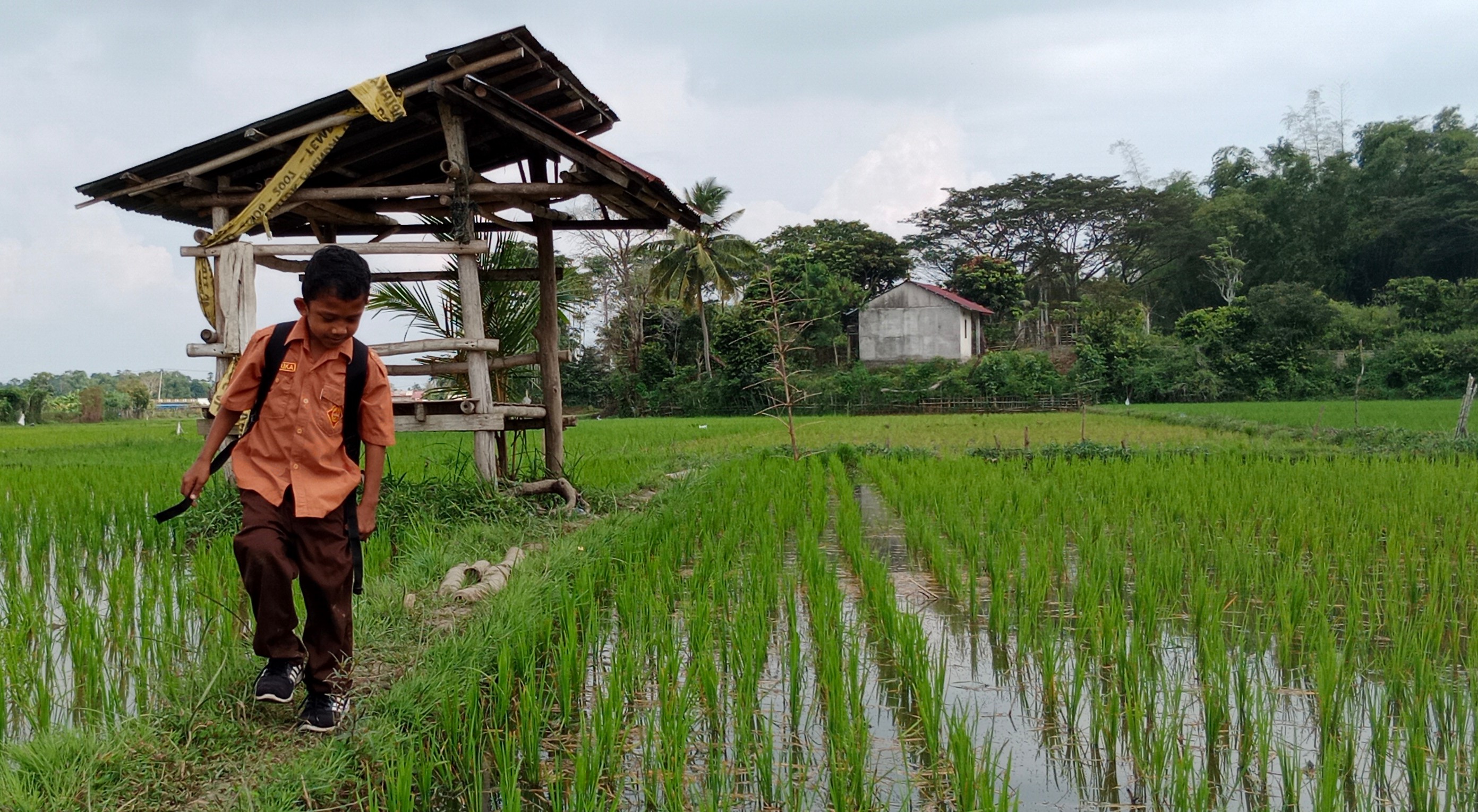
The El Niño natural phenomenon has begun to haunt the nation since mid-May 2026. This condition of drought and prolonged dry seasons is predicted to envelop the archipelago until early 2027. This phenomenon poses a serious threat to the agricultural, fisheries, and livestock sectors, particularly regarding the risk of food crises and national food security.
In Aceh Province, the initial impacts of the dry season are already being felt in the region flanked by the Malacca Strait and the Indian Ocean. However, ironically, many rice fields owned by farmers are still in the soil preparation stage or have not yet been planted for the ‘gadu’ season (the second planting season).
In Pidie Regency, planting delays have been observed in parts of the Delima, Padang Tiga, and Muara Tiga districts. These lagging areas are generally rain-fed rice fields that lack technical irrigation networks. Similar conditions are occurring in Aceh Besar Regency, specifically in the Seulimeum and Lembah Seulawah districts.
Muhammad Nasir, a community leader for farmers in the Padang Tiga district, revealed that they have urged farmers to accelerate the planting process for this dry season. This acceleration step is crucial to avoid the risk of water crises when the rice plants enter the growth and booting phases.
“The call is in line with the government’s appeal. But what can be done, the conditions on the ground are different. Farmers must do it gradually or share the available water supply. Moreover, Padang Tiga is not a technical irrigation area,” Muhammad Nasir told Media Indonesia on Saturday (4/7).
Based on field data, the area of rice fields in Pidie Regency reaches approximately 56,504 hectares spread across 22 districts. However, of that total area, only about 60% can be planted during the dry season. The remainder is forced to remain unplanted due to various constraints, primarily concerns over water shortages and the absence of irrigation networks.
Planting delays amidst the threat of El Niño are feared to disrupt the stability of grain production in the region, considering that average production in Pidie can reach 5 to 6.2 tons per hectare under normal conditions.
The El Niño climate phenomenon is once again becoming a serious concern for the Indonesian government and society in 2026. Erma Yulihastin, a researcher from the National Research and Innovation Agency (BRIN), warned of a period of vigilance over the next six months, which is expected to be a critical period due to the strengthening of the El Niño phenomenon.
BMKG Bandung predicts that the El Niño phenomenon will continue to affect weather conditions in West Java during the period of 9-15 June 2026. The Meteorology, Climatology, and Geophysics Agency (BMKG) has reminded local governments and all stakeholders to increase preparedness in facing the 2026 dry season.