
El Niño 2026: Global Wildfires Expected to Reach Worst Record in History
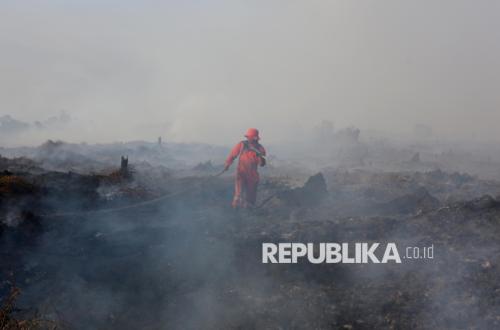
Climate change has driven global forest and land fires (karhutla) to their highest point since records began. Experts predict that a super El Niño in this summer will worsen karhutla in Africa, Asia, and various other regions.
A group of scientists researching the impact of climate change on weather patterns, World Weather Attribution (WWA), noted that karhutla from January to April this year were already 20 per cent higher than the previous record. The fires burned more than 150 million hectares of land.
Researchers say this year is expected to be the hottest on record. The effects of climate change and the super El Niño anticipated this year are assessed to increase global karhutla figures.
“Even though the fire season has not yet arrived in many parts of the world, it will come earlier. Combined with El Niño, we will face a very bad year,” said wildfire expert from Imperial College London and WWA member Theodore Keeping, quoted from Reuters on Tuesday (12/5/2026).
He said that high fire activity in Africa is usually triggered by rapid weather changes from very wet to very dry. High rainfall grows more vegetation in the previous season, which ultimately becomes fuel for karhutla in the dry season.
Keeping said that this year’s karhutla in Asia has already burned around 44 million hectares of land. That figure is nearly 40 per cent higher than the previous record in 2024. India, Myanmar, Thailand, Laos, and China are the countries most affected by karhutla.
He warned that the risk of karhutla will be even higher this year because El Niño is expected to increase the likelihood of extreme heat and drought in Australia, Canada, the United States, and the Amazon rainforest.
“The potential for extreme, destructive fires could be the highest we’ve seen in recent history if a strong El Niño truly develops,” he said.
Last month, the World Meteorological Organization said the El Niño occurring due to warming in the Pacific Ocean is expected to begin in May. El Niño can trigger drought in Australia and Indonesia as well as flooding in parts of Southeast Asia.
“If a strong El Niño occurs this year, there is a serious risk that the impacts of climate change and El Niño will result in unprecedented extreme weather,” said climate scientist at Imperial College London and one of the founders of WWA, Friederike Otto.