
El Niño 2026: Drought Threatens Several Regions of Indonesia
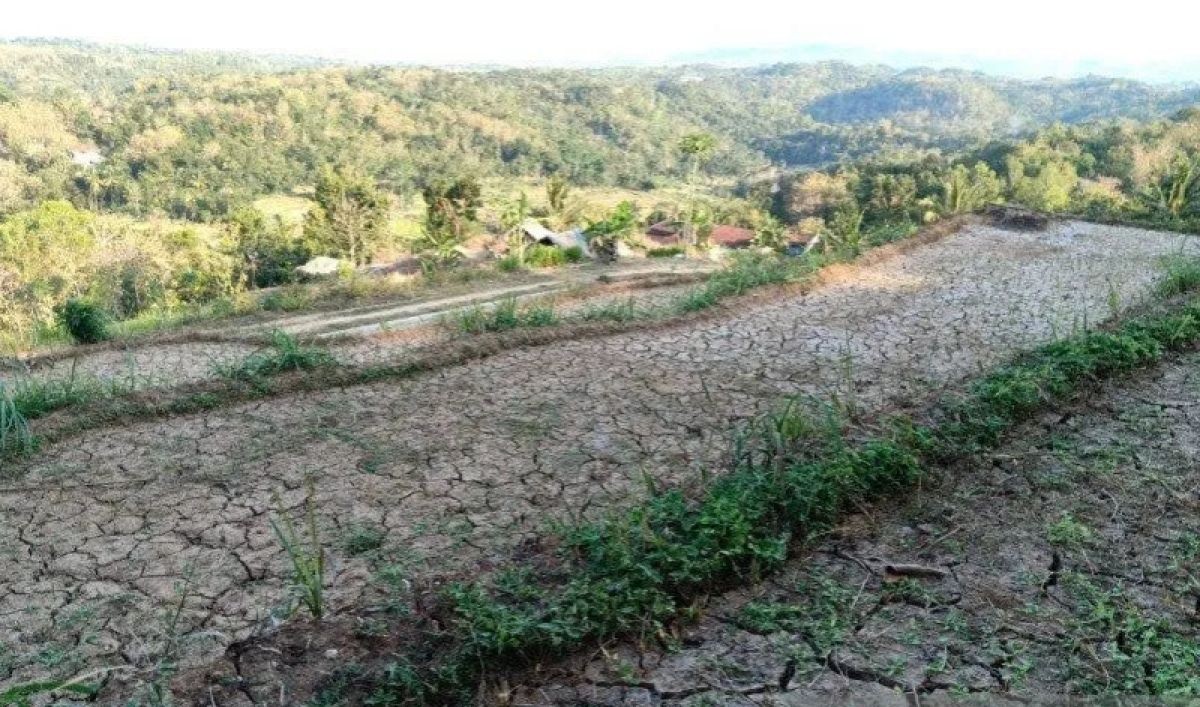
The Meteorology, Climatology, and Geophysics Agency (BMKG) has warned of the potential for significant drought threatening large parts of Indonesia between August and October 2026, following the development of the El Niño phenomenon in the tropical Pacific Ocean. BMKG Director of Climate Change, Fachri Radjab, stated that central to southern Sumatra, most of Kalimantan, Java, Bali, West Nusa Tenggara, East Nusa Tenggara, Sulawesi, parts of Maluku, and southern Papua are expected to experience rainfall levels of less than 50 per cent of normal conditions.
“During August-September and October 2026, central to southern Sumatra, most of Kalimantan, most of Java-Bali-NTB-NTT, most of Sulawesi, parts of Maluku, and parts of southern Papua are predicted to experience rainfall of less than 50 per cent of normal, potentially leading to significant drought,” Fachri told Media Indonesia on Thursday.
This warning comes as El Niño development has been detectable since April 2026. BMKG noted that the El Niño index exceeded the normal threshold with a value of +0.52 in April and increased to +1.00 in May 2026. According to Fachri, these conditions indicate that the tropical Pacific Ocean has entered El Niño conditions and is expected to develop into an El Niño event in the coming months. However, BMKG emphasised that it does not use the term ‘Godzilla El Niño’ which has recently been used by several media outlets. Instead, BMKG refers to the international standard classifications set by the World Meteorological Organization (WMO): weak, moderate, and strong El Niño.
Fachri noted that several climate models suggest the 2026 El Niño has the potential to reach an intensity comparable to the 2015/2016 El Niño event. However, similar ENSO index values do not automatically result in the same impact as a decade ago, as current global climate conditions have changed due to global warming trends, making ocean temperatures generally higher than during the 2015/2016 period. Therefore, the contribution of global warming must be considered when interpreting the magnitude of the ENSO index and its resulting impacts.
Furthermore, uncertainty regarding the peak intensity of El Niño remains high. While most models project a strong El Niño, a small number of models even indicate the possibility of reaching a ‘very strong’ category. Fachri added that it is still too early to conclude that the 2026 El Niño will possess the same strength as the 2015/2016 event, as scientific consensus is still being evaluated alongside new observational data.
BMKG predicts that most of Indonesia will reach the peak of the dry season in August 2026. Amidst the drought threat, the public is also experiencing very high daytime temperatures, sometimes exceeding 35 degrees Celsius, accompanied by heavy rain in the afternoon or evening. Fachri explained that this is common during the transition season (pancaroba), where strong solar radiation causes rapid surface temperature increases, leading to convection and the formation of Cumulonimbus clouds.
Facing the potential drought, BMKG has urged local governments to take immediate anticipatory measures. Recommendations include preparing raw and clean water reserves, mapping drought-prone areas, optimising reservoirs, dams, and irrigation networks, and strengthening forest and land fire mitigation. For the agricultural sector, BMKG suggests accelerating planting seasons in areas with remaining water reserves, using drought-resistant varieties, and practising irrigation water conservation.