
Eko Suwanto Urges Yogyakarta Regional Government to Integrate Digital Services Across Six Sectors
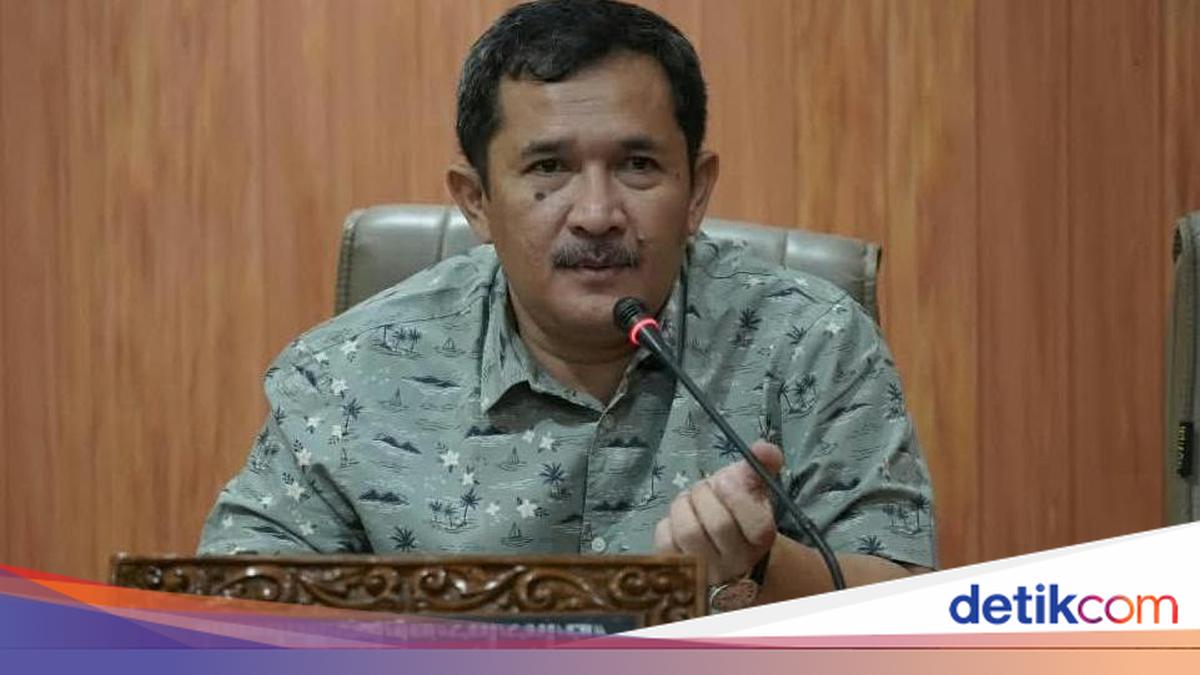
Eko Suwanto, chair of Commission A of the Yogyakarta Special Region (DIY) Regional House of Representatives, has urged the regional government to take a more serious approach to building an integrated digital ecosystem. He said this was important to improve the quality of public services, strengthen the local economy and create new jobs for young people.
Eko said developments in information and communications technology (ICT) had changed how people carried out activities across many sectors. These changes had accelerated since the COVID-19 pandemic, as the use of digital technology expanded.
In his view, the DIY regional government needed to play a greater role in optimising the use of technology. The region already has a legal foundation in the form of a local regulation on ICT.
“We urge the DIY regional government to take the building of a digital ecosystem seriously, supported by capable human resources, in order to optimise a range of public services. The hope is that an integrated digital ecosystem will help grow the people’s economy,” Eko Suwanto said in a written statement on Monday (2 November 2026).
Eko outlined four main pillars that the regional government should prioritise in building a robust digital ecosystem. The first is strengthening digital literacy across all areas of people’s lives. The second is establishing secure ICT infrastructure to protect residents’ personal data and counter cybercrime and fraud.
The third pillar is the equitable, integrated development of physical ICT facilities and infrastructure. The fourth is compiling and processing comprehensive, integrated micro-level data on DIY residents, including economic, social and environmental indicators.
“The availability of accurate, precise and detailed micro-level big data is urgently needed, and should be mapped using big data analytics. This can benefit the development of DIY as a whole,” he said.
Through well-managed big data, the regional government is expected to maintain precise information on administrative boundaries, the area of land designated for sustainable food agriculture, and zones at risk from potential natural disasters.
Eko also praised the development of various digital platforms for public services, but stressed the need to simplify and integrate them.
“The Ministry of Finance, the Ministry of Home Affairs and other agencies should integrate existing applications rather than allowing them to overlap. Integration is important so the public can see data governance that is transparent, efficient and secure,” he said.
The principles of synergy and collaboration should also guide the operational management of infrastructure. Eko cited surveillance systems such as CCTV, which are often managed separately by ministries and regional governments. In time, he said, all CCTV networks and digital infrastructure should be optimally integrated in the public interest and to improve services.
“Creating a positive digital environment that makes things easier will provide a strong foundation for a digital ecosystem with a tangible impact,” he said.
Eko said the development of a digital ecosystem in DIY could bring strategic benefits to six key sectors. The first is education, through the use of digital technology to support both formal and informal teaching and learning.
“This digital ecosystem should be dedicated to young people and Generation Z, supporting learning as well as creating jobs and opportunities for young people to start businesses,” he said.
The second sector is more responsive public services. The speedy issuance of birth and death certificates in Yogyakarta city, he said, had demonstrated the benefits of administrative efficiency for inheritance and insurance matters.
The third is strengthening business and the people’s economy, for example by making better use of the SiBakul platform and the DIY regional government’s delivery-cost subsidies to empower new entrepreneurs and create jobs.
The fourth sector concerns regional safety and comfort. Safe and pleasant public spaces and neighbourhoods are essential for the growth of tourism in DIY.
With a strong digital ecosystem, regional monitoring and public-order systems can be maintained more responsively, helping tourists and local residents feel safe as they go about their activities.
The fifth sector is regional disaster management. With 14 potential hazards, ranging from Mount Merapi eruptions to unusual hydrometeorological disasters, a digital ecosystem could shift the focus from emergency response alone towards preparedness through integrated early warning systems (EWS).
Integrating EWS from the summit of Merapi to the southern coast would help ensure effective mitigation, allowing residents and visitors to carry out activities safely in both mountainous and coastal areas.
The sixth sector is support for research and higher education. DIY has hundreds of universities and thousands of academics conducting research from undergraduate to doctoral level. A mature digital ecosystem, Eko said, would provide a platform to accelerate high-quality research.
“Through a digital ecosystem across these sectors—including transport governance and solutions to the shortage of green open space—Eko Suwanto is optimistic that the DIY regional government can address unemployment, reduce the Gini ratio and sustainably grow the people’s economy,” he concluded.
Source: jawawa.id (https://jawawa.id/newsitem/eko-suwanto-urges-yogyakarta-regional-government-to-integrate-digital-services-across-six-sectors-1793631049)
Originally published by detikJogja (https://www.detik.com/jogja/jogja-kerta/d-8735455/eko-suwanto-minta-pemda-diy-integrasikan-layanan-digital-di-6-sektor), translated from Indonesian