
Eko Suwanto Criticises Budget Cuts During Pancasila Day Commemoration
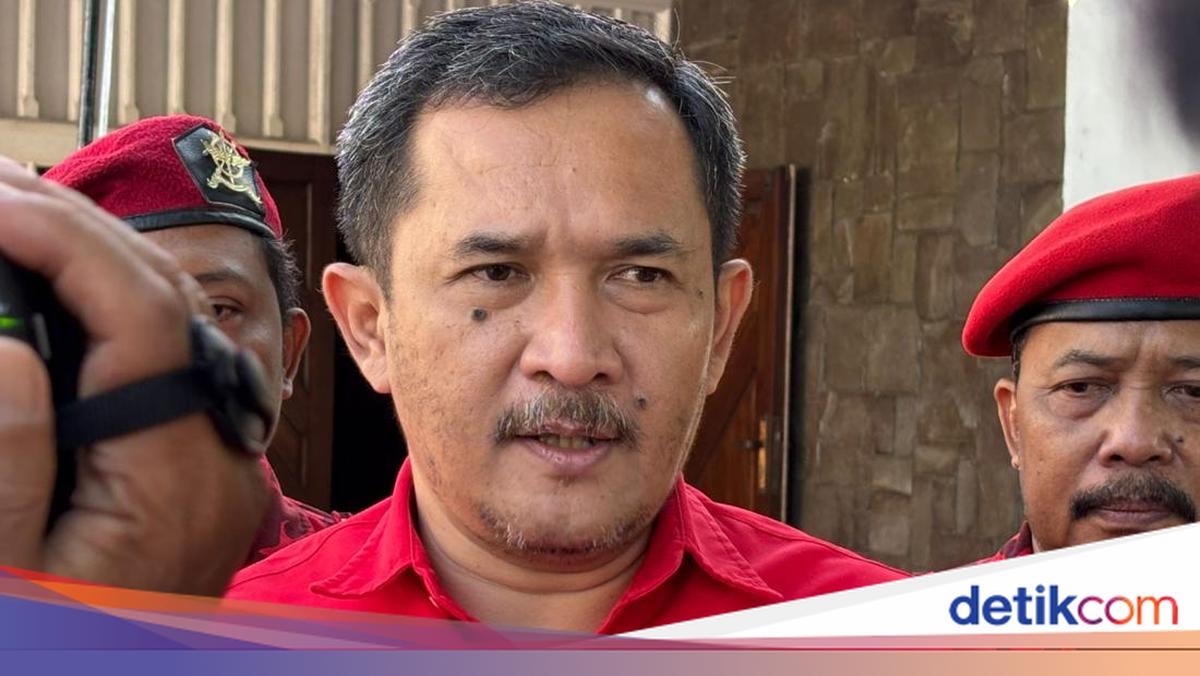
The commemoration of Pancasila’s Birth Anniversary (Harlah) provided an opportunity for PDI Perjuangan Jogja City Branch Chair Eko Suwanto to question the government’s commitment to implementing pro-people budget policies. Eko highlighted this as a tangible demonstration of PDI Perjuangan’s commitment to addressing societal issues, including economic crises, fiscal constraints due to local budget cuts, and street crime involving schoolchildren. “On the occasion of Pancasila Day on 1 June, the values of Pancasila formulated by Bung Karno must be embodied in policies that side with the people,” Eko stated in a press release on Monday (1/6/2026). “We urge Yogyakarta’s development policies to accelerate stunting management, allocate Rp120 million to villages, and ensure every school-age child has access to education,” he added. In the current constrained fiscal environment, Eko also criticised the central government. A key issue requiring serious attention is the reduction in local budget capacity due to central government efficiency measures. “We urge the central government to seriously implement Pancasila by adopting pro-poor policies and budgeting based on regional autonomy, not fiscal recentralisation as seen over the past two years,” Eko said. “Budget cuts have devastated local economies. The central government must urgently review these cuts,” he added. Three Recommendations to Address Street Crime Alongside highlighting government budget policies, Eko also addressed street crime issues in Jogja City during the Pancasila Day commemoration. Eko stressed the need for swift action from various stakeholders, particularly the regional government, to curb rising street crime involving schoolchildren. The Commission A head of the DIY Regional Legislative Council stated that street crime has escalated to extraordinary crime due to fatalities and brutal methods. “This is no longer ordinary street crime. It has become extraordinary due to fatalities and extreme violence,” Eko said. “The regional government must collaborate with the police, prosecutors, courts, and society in prevention, law enforcement, and rehabilitation to ensure such extraordinary crimes involving schoolchildren do not recur,” he added. Eko cited the need for joint evaluations of education systems and social environments shaping youth character. As a member of the DIY Regional Government Accountability Report (LKPJ) Special Committee (Pansus), he outlined three urgent recommendations. First, the regional government should establish a special task force to address crimes involving schoolchildren, focusing not only on enforcement but also prevention through strengthening family roles and improving community welfare. “Families must be strengthened. If parents face job difficulties, they need support. Economic issues must be resolved to prevent children growing up in vulnerable environments,” Eko said. “One measure could be Pancasila Learning for students in DIY, both in schools and at home, to instil high moral character alongside academic knowledge,” he added. Second, the government must ensure uninterrupted access to education. Third, Eko stressed the importance of strict law enforcement against criminal perpetrators. He urged law enforcement agencies, from police to prosecutors and courts, to impose strict and measured penalties in accordance with the law.