
Eighteen years towards B50
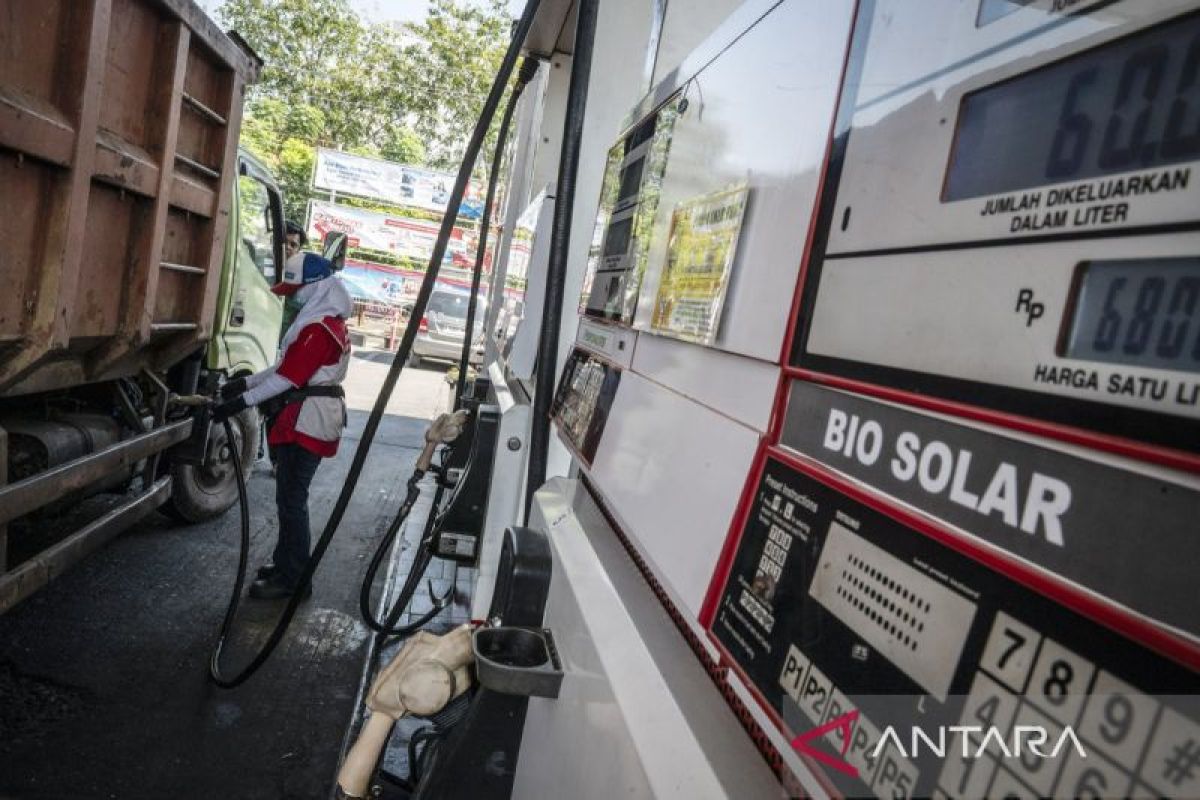
The mandatory B50 biodiesel programme, fully in force since 1 July 2026, is not a policy born of a single decision. It is the accumulation point of eighteen years of palm-based energy policy calibration that began long before debates over energy security became as lively as they are today.
Its legal umbrella now rests on Minister of Energy and Mineral Resources Regulation Number 4 of 2025 on the Management and Utilisation of Biofuels, reinforced by a ministerial decree specifically mandating the blending of 50 per cent biodiesel into all types of diesel oil.
Technically, B50 is an equal blend of palm-based Fatty Acid Methyl Ester and fossil diesel, up ten percentage points from the B40 composition previously in force since early 2025.
To grasp the scale of this change, the policy’s trajectory must be traced from its starting point.
The first biodiesel mandate was introduced in 2008 with a B2.5 blend, a figure whose volumetric impact on national diesel consumption at the time was barely felt. Subsequent increases proceeded gradually: B10 was introduced shortly afterwards, followed by B15 and B20 in the following years as the domestic CPO processing industry’s capacity began to take shape.
Each of those increases in fact demanded comprehensive adjustments across three layers at once: biodiesel production capacity at the plant level, raw material quality standards that had to meet dozens of technical parameters, and blending and distribution infrastructure reaching thousands of fuel distribution points across the archipelago.
The leap to B30 occurred in an era of far greater institutional maturity, when the Palm Oil Plantation Fund Management Agency (BPDPKS) was fully functioning as the financing instrument for the price gap between biodiesel and fossil diesel.
B35 and B40 followed within a much shorter interval, reflecting an acceleration deliberately pushed by the government ahead of the change in national leadership.
Data shows biodiesel utilisation in 2025 reached 14.2 million kilolitres, or 105.2 per cent of the government’s target of 13.5 million kilolitres. The data already indicates that domestic production capacity had in fact exceeded the formal target before B50 officially took effect.
Three presidents each contributed their part to this sequence. The initial regulatory foundation was laid during the presidency of Susilo Bambang Yudhoyono, when the biodiesel mandate was first formulated as a national energy policy instrument.
Indonesia’s seventh president, Joko Widodo, continued with significant acceleration from B20 to B40, a period that coincided with the massive build-up of downstream palm oil industrial capacity.
Under President Prabowo Subianto, the government inherited the B40 framework and pushed it to B50 in less than two years since his inauguration—an acceleration that, compared with the gaps between previous stages, is remarkably short.
That pace is closely tied to mounting global energy geopolitical pressure since late 2025, when tensions in the Middle East made the price and supply of world oil vulnerable.
Palm oil downstreaming