
Eight Types of Businesses Predicted to Go Extinct Within 10 Years
Market shifts are happening faster than many anticipated, and few investors are as vocal about it as Kevin O’Leary. Through various interviews and social media, the Shark Tank star has repeatedly warned that entire categories of business may not survive the next decade if they fail to adapt.
For workers, investors, and small business owners, these warnings are crucial. Understanding where the risks lie today can help you prepare financially and avoid being trapped in a declining industry. Here are the eight types of business O’Leary considers most at risk of extinction.
O’Leary is deeply pessimistic about office buildings. His argument is that the shift to hybrid working is not a temporary phenomenon. He warns that many properties can no longer be used as office space as the economy changes, pointing to vacancy rates reaching 40% in some major cities.
The core problem is demand. Fewer workers commuting daily means less need for centralised office space. Without a major reversal of the trend, building owners will struggle to fill their spaces, refinance debts, or justify their valuations.
O’Leary insists that adopting AI is no longer optional. He states clearly that AI is no longer a choice, adding that companies not using it are already falling behind. He sees AI as a baseline standard, not a passing trend.
From workflow automation to improved customer targeting, AI delivers cost and efficiency advantages. Businesses that reject this technology risk losing out on margins and innovation.
Although the restaurant business has always been challenging, O’Leary believes the environment is fundamentally changing. He notes that customers have not returned to pre-pandemic patterns, particularly in city-centre areas where commuter traffic remains very low.
At the same time, rising costs of ingredients and labour—what he calls the inflation virus—are squeezing profit margins. Restaurants heavily dependent on lunchtime crowds or high footfall face serious challenges unless they change their business model.
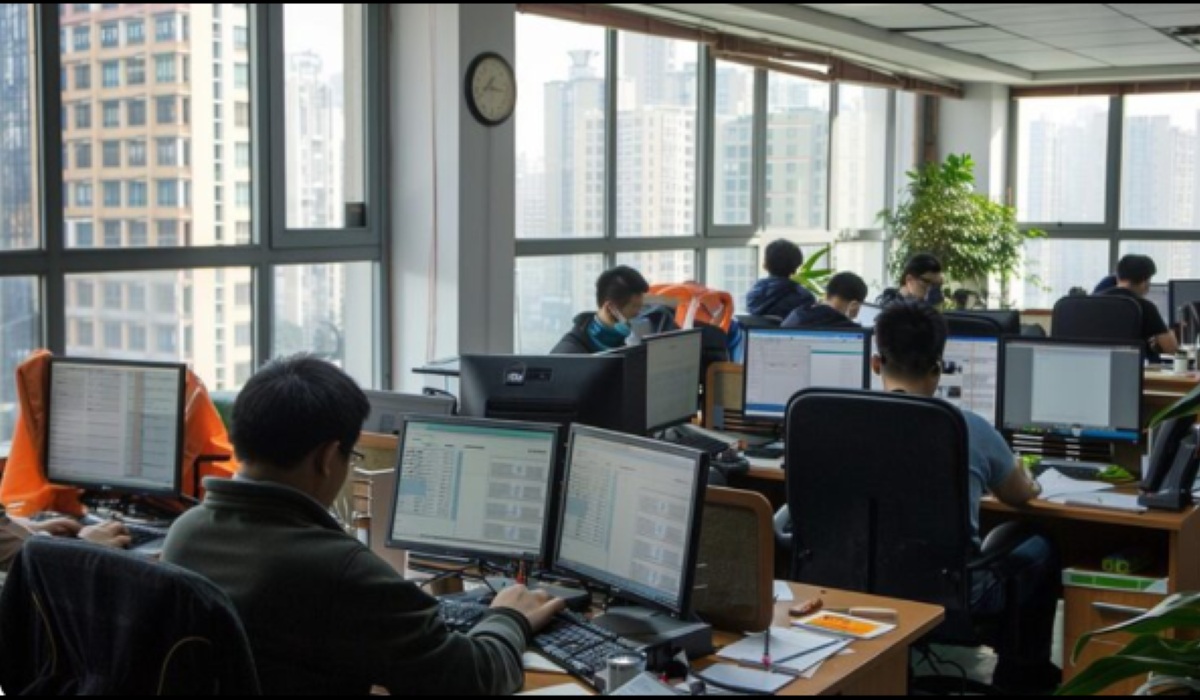
O’Leary bluntly declares that the cubicle is dead. He argues that forcing employees back into rigid office environments can backfire, especially for roles requiring high-level skills.
In his view, top talent now prefers flexibility. Companies insisting on full-time office work may shrink their candidate pool and end up with a less competitive team.
The entertainment industry is not immune either. O’Leary highlights film production costs, noting that scenes with large numbers of extras can cost millions of dollars. He suggests AI could replace that need at a far lower cost.
His central point is efficiency. When technology can replicate something at negligible cost, industries built on the old model must adapt quickly or risk being outcompeted.
O’Leary is deeply sceptical of small crypto projects, warning that many tokens have no real utility. In his view, most of them will ultimately be worth zero.
That does not mean he opposes crypto altogether. However, he draws a firm line between established assets and speculative ones. Projects without a strong use case will struggle to survive as the market matures.
Geopolitical risk is another issue O’Leary highlights. He argues that tariffs on China should be far higher and criticises the structure of current trade relations. He finds that many businesses in China do not abide by agreed rules, compounded by the difficulty of litigation in local courts.
For businesses, this creates uncertainty. Companies heavily reliant on overseas manufacturing in sensitive regions could face unexpected cost increases and supply disruptions.
A recurring theme O’Leary emphasises is discipline. He warns that even profitable companies can fail if they do not manage cash carefully. He recommends business owners stay flexible, pivot when needed, and preserve cash until you know the true pace of your business.
Growth and branding mean nothing if a company cannot manage its day-to-day finances. Over time, poor cash control can destroy a business that genuinely has strong potential.