
Eight Myths About Mount Ciremai Every Hiker Should Know
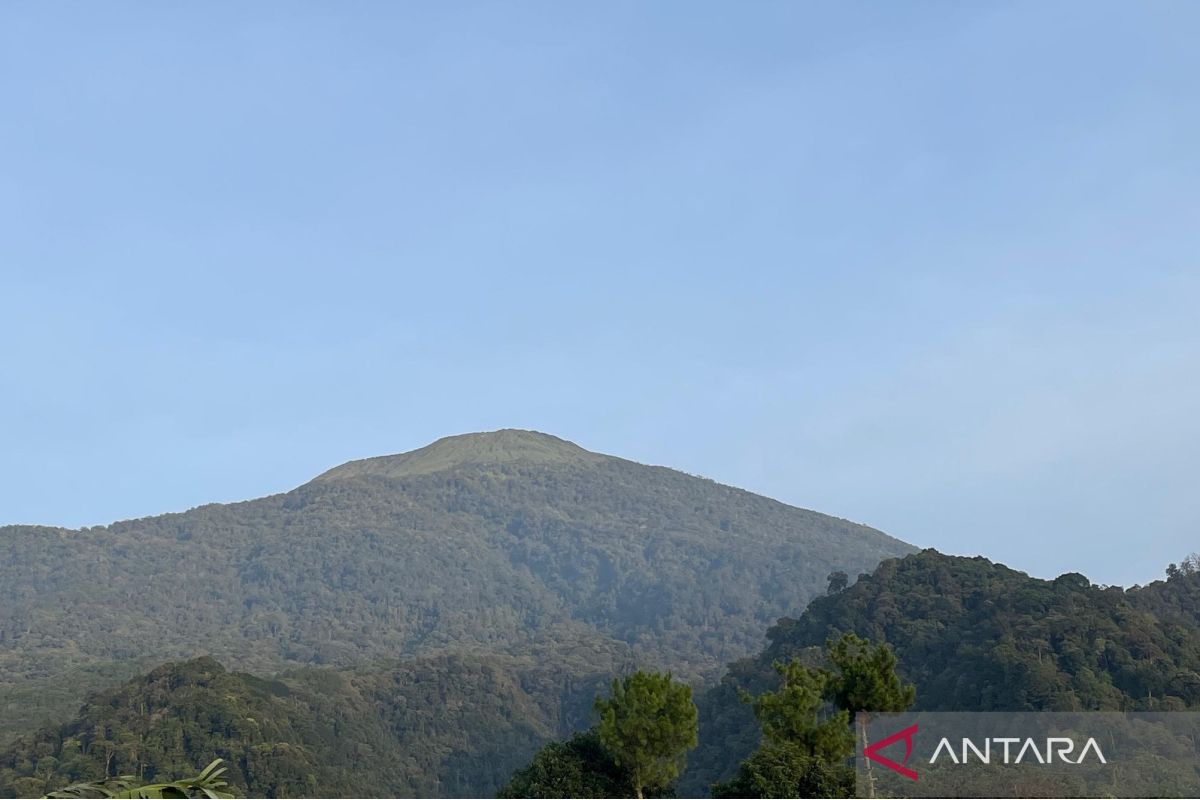
Jakarta (ANTARA) – Mount Ciremai is known not only as West Java’s highest mountain, at 3,078 metres above sea level, but also for the many mystical tales that have circulated among local communities.
Some of these stories concern supernatural figures, mysterious sounds and taboos observed by certain hikers and local residents. Passed down through generations, they have become part of the local culture associated with Mount Ciremai.
Although they have not been scientifically proven, many hikers are curious about these stories. Here are eight myths associated with Mount Ciremai.
- Nini Pelet’s kingdom
One of the best-known legends about Mount Ciremai is that of Nini Pelet. She is believed to have been a powerful figure with supernatural abilities and is associated with love spells.
According to local accounts, Nini Pelet had a supernatural kingdom in the Mount Ciremai area. Her story is also linked to a dispute over the Kitab Mantra Asmara, a book of love incantations belonging to Ki Buyut Mangun Tapa, which was said to contain the Jaran Goyang spell.
- The one-eyed tiger
Another tale tells of a one-eyed tiger believed to be Nini Pelet’s guardian or pet.
The tiger is said to live among piles of branches and trees that resemble a cave. Its presence is often linked to the mystical stories told about the Mount Ciremai area.
- Mysterious gamelan music
Stories of gamelan music are among the mystical experiences frequently discussed by hikers. The sound of traditional Javanese music is said to come from the area around Post V, Sanghyang Rangkah, on the Apuy route.
Records from the Mount Ciremai National Park Office show that route managers have received reports from hikers who heard gamelan music, even though no celebration was taking place nearby.
- Black birds and black wasps
There are also accounts of black birds and black wasps following hikers on their way to the summit.
In one story recorded by the national park authorities, a hiker said the two animals followed them from Post VI until they were nearing the summit. The incident subsequently prompted various mystical stories among hikers.
However, the animals’ presence can also be explained by the ecosystem and the natural activity of wildlife in the forest.
- The taboo against urinating directly on the ground
Another myth concerns a prohibition on urinating directly on the ground while hiking. Some local people believe that doing so could invite disturbance from unseen beings or bring bad luck.
Because of this belief, hikers sometimes choose to collect their urine in a bottle or another container. Regardless of the myth, every visitor has a duty to keep the mountain clean.
- Stamping the ground three times before setting off
Some hikers are familiar with the custom of stamping the ground three times before beginning their journey.
The ritual is believed to be a way of asking permission and seeking protection so that the hike goes smoothly and they avoid disturbance from supernatural beings.
This tradition is best understood as a belief held by some members of the community, rather than as a hiking safety procedure.
- The mystical stories of Batu Lingga
Batu Lingga is also associated with mystical stories among local people. The site is believed to be connected to the Nini Pelet legend and to be the dwelling place of a supernatural guardian.
As it is considered sacred, some people believe hikers should be respectful and avoid behaviour considered impolite when passing through the area.
- Mystical tales surrounding Goa Walet
Goa Walet is a well-known location on Mount Ciremai. At an altitude of around 2,950 metres, it has a hollow formation resembling a crater.
Besides its natural beauty, Goa Walet is also associated with the Nini Pelet legend. The story has become part of the local wisdom that has developed around the mountain.
Goa Walet also has specific visitor rules. Visitors may not pitch tents in or around the area, in order to protect the environment and avoid potential hazards.
Prioritise safety when hiking
The various myths surrounding Mount Ciremai are part of the folklore and culture of local communities and are interesting to learn about. However, hikers should not rely on mystical stories as their sole guide during a trek.
Fatigue, lack of sleep, dehydration and dark conditions can affect a person’s concentration and perception in the mountains.
Hikers should therefore prepare their equipment, follow the authorities’ rules, be mindful of their words and conduct, and stay with their group. Respecting local wisdom while prioritising safety is essential when exploring Mount Ciremai.
Source: jawawa.id (https://jawawa.id/newsitem/eight-myths-about-mount-ciremai-every-hiker-should-know-1794631950)
Originally published by Antara (Indonesian) (https://www.antaranews.com/berita/5853535/8-mitos-mengenai-gunung-ciremai-pendaki-harus-tahu), translated from Indonesian