
Eight Hereditary Diseases That Are Difficult to Prevent, Baldness Included
Jakarta, CNBC Indonesia - Not all illnesses arise from lifestyle or environmental factors. Some health conditions are known to be inherited from parents through genetic factors.
Hereditary diseases are disorders related to abnormalities in genes or chromosomes. In some cases, parents may be mere carriers without symptoms. However, diseases can appear in the child or in subsequent generations when triggered by other factors such as lifestyle and environment.
According to International Bioscience, as reported by the Bogor Agricultural Institute (IPB), there are a number of hereditary diseases that are particularly difficult to prevent because they are directly linked to genetic factors. Consequently, premarital health screening is considered important to understand the risk of diseases that could be inherited by children.
Here are eight hereditary diseases to watch for:
- Haemophilia
Haemophilia is a blood-clotting disorder caused by a deficiency in certain clotting factors, namely factor VIII or IX. The condition is linked to the X chromosome, so it occurs more often in men, while women are typically carriers. It usually presents in childhood and is difficult to prevent because it is inherited genetically from parents.
- Colour blindness
Colour blindness arises from difficulties in distinguishing certain colours. It is usually inherited via mutations in the X chromosome. In addition to hereditary factors, colour blindness can be triggered by damage to the eye, nerves, or brain due to exposure to certain chemicals. Symptoms can appear in childhood or adulthood.
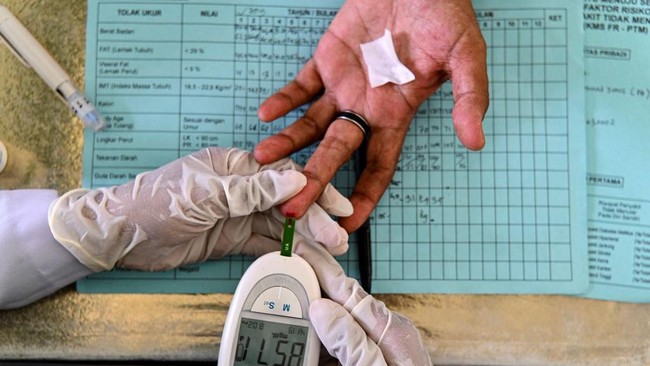
- Diabetes mellitus
Diabetes mellitus also has a strong genetic component. It is characterised by high blood sugar due to impaired insulin action. The risk of type 1 diabetes increases in someone who inherits a particular leukocyte antigen from a parent. Type 2 diabetes can also be inherited, particularly if accompanied by other factors such as obesity, hypertension, and unhealthy lifestyles.
- Thalassemia
Thalassemia is a blood disorder in which haemoglobin is easily damaged. The disease is inherited when both parents are carriers. Children with thalassemia typically appear pale and require regular blood transfusions to maintain stable haemoglobin levels.
- Baldness
Baldness is not solely influenced by age or hormones, but also by genetic factors. The risk increases if there is a family history of the condition. A researcher from Columbia University Medical Center, Dr Angla Christiano, identified the APCDD1 gene associated with hair thinning and baldness.
- Allergies
Genetic factors also play a major role in the development of allergies. The risk of a child developing an allergy is higher if both parents have a history of allergies. However, allergies can also be influenced by the environment and exposure to certain substances that trigger reactions.
- Albinism
Albinism is a genetic condition resulting from impaired production of melanin, the pigment that gives colour to the skin, hair and eyes. It typically manifests if a child inherits the albinism gene from both parents, even if the parents are merely carriers and show no symptoms.
- Asthma
Asthma is a hereditary disease that can be triggered by environmental factors or certain allergens. The risk of asthma is thought to be higher when the mother is involved than the father. Nevertheless, for some people, asthma symptoms can improve or disappear in adulthood if well controlled.
IPB notes that one step that can be taken to reduce the risk of hereditary diseases is to undergo premarital health screening. This screening helps identify the likelihood that a child may inherit certain diseases in the future.