
Eight Benefits of Joining a University Organisation
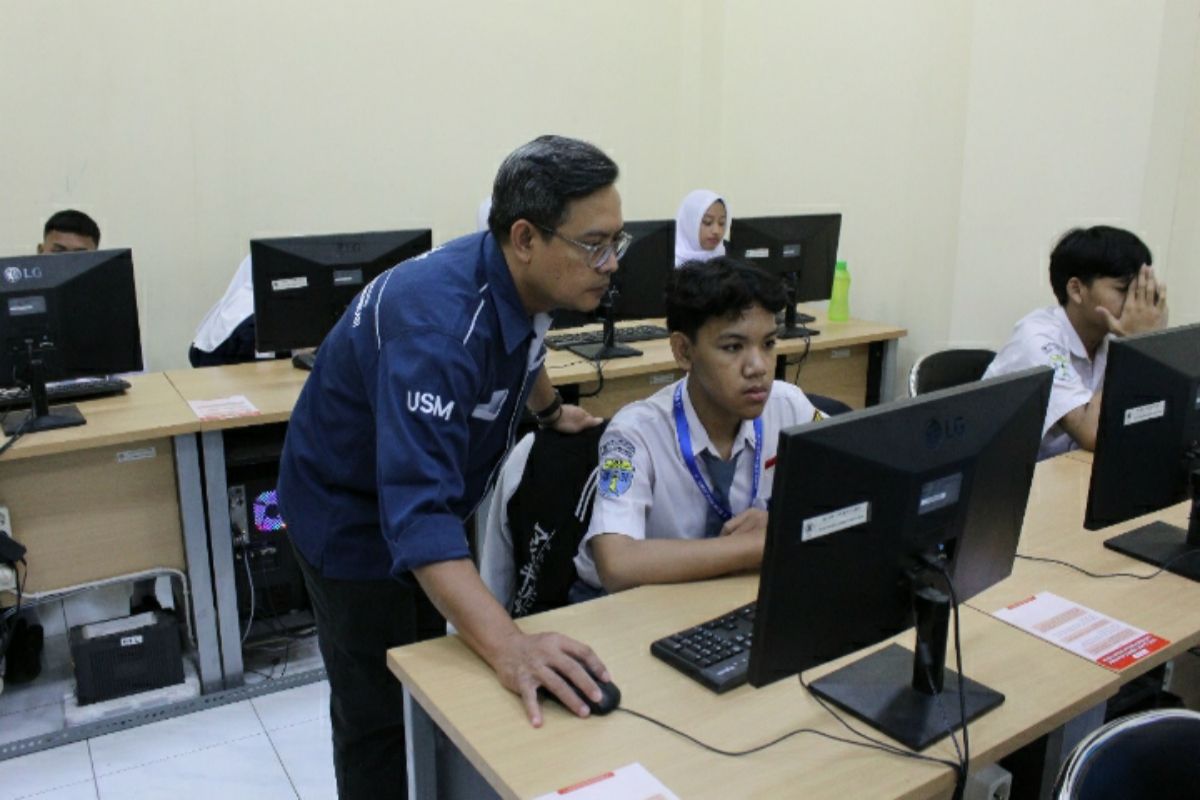
Jakarta (ANTARA) – Being a university student is not just about attending classes, completing assignments and pursuing good academic results. There are many other experiences to be gained while at university, including joining a campus organisation.
From student executive bodies (BEM), student associations and student activity units (UKM) to student newspapers, each organisation offers students the chance to learn beyond the classroom.
Although they require time and effort, active participation in organisations can bring benefits for personal development and preparation for the world of work. Here are eight positive outcomes of joining a campus organisation.
- Developing communication skills
Campus organisations bring students together with people who have different personalities, opinions and communication styles. Through day-to-day activities, students learn to put forward ideas, discuss issues, express their views and resolve misunderstandings.
These skills are important because communication is needed not only for presentations in class but also for working with others in a professional environment.
- Developing leadership skills
Leadership does not always mean becoming the head of an organisation. Coordinating an event, chairing a meeting or taking responsibility for a programme can also provide opportunities to develop these skills.
Students learn to make decisions, allocate tasks, guide members and take responsibility for the results of their work. This experience can help prepare them for greater responsibilities in the future.
- Learning to work in a team
Most organisational activities require the cooperation of many people. An event, for example, will not run well if each division thinks only about its own tasks.
Through these experiences, students learn to respect others’ views, understand the division of roles and find solutions when opinions differ.
Teamwork is also one of the career-readiness competencies recognised by the National Association of Colleges and Employers (NACE).
- Improving time-management skills
Taking part in an organisation while studying requires students to plan their time more carefully. They must attend classes, complete assignments and prepare for meetings or organisational activities.
This situation encourages students to set priorities and complete work by deadlines.
However, these benefits are felt only if students maintain a balance. Taking on too many responsibilities can disrupt academic activities and time for rest.
- Widening networks and friendships
Campus organisations are places to meet students from different departments and year groups, and even from other universities through collaborative activities.
The relationships formed not only bring new friends but also create opportunities to exchange information, take part in new activities and explore fields they may not have tried before.
These relationships can also develop into professional networks that are useful after graduation, provided they are built through positive, mutually respectful interactions.
- Building self-confidence
For students who are initially uncomfortable speaking in front of a large group, an organisation can provide a place to practise gradually.
Opportunities to give presentations, host events, express opinions at meetings or engage with external parties can help students become more accustomed to unfamiliar situations.
Confidence does not develop instantly, but can grow with experience and the courage to try.
- Strengthening problem-solving skills
Organisational activities do not always go according to plan. An event’s schedule may change, the budget may differ from expectations, or team members may disagree.
Such situations teach students to analyse problems, consider several options and decide on the most practical course of action.
These experiences also help students understand that mistakes do not necessarily mark the end of a task, as long as they are willing to evaluate what happened and make improvements.
- Gaining experience to prepare for a career
Organisational experience can be an advantage when students apply for jobs, especially if they can explain their responsibilities and achievements.
For example, experience managing an event can demonstrate coordination skills, while running an organisation’s social media can show digital communication skills.
To make the most of this experience, students should keep a record of the projects they have worked on, the roles they held and the results they achieved. This will allow them to include the experience on their CV and discuss it in job interviews.
Even so, students do not need to join several organisations at once. They should choose activities that suit their interests and abilities, then participate responsibly so that they can truly benefit.
Source: jawawa.id (https://jawawa.id/newsitem/eight-benefits-of-joining-a-university-organisation-1794585209)
Originally published by Antara (Indonesian) (https://www.antaranews.com/berita/5852815/8-manfaat-mengikuti-organisasi-kampus-bagi-mahasiswa), translated from Indonesian