
Eid al-Fitr: The Engine of Economic Flow from Cities to Villages
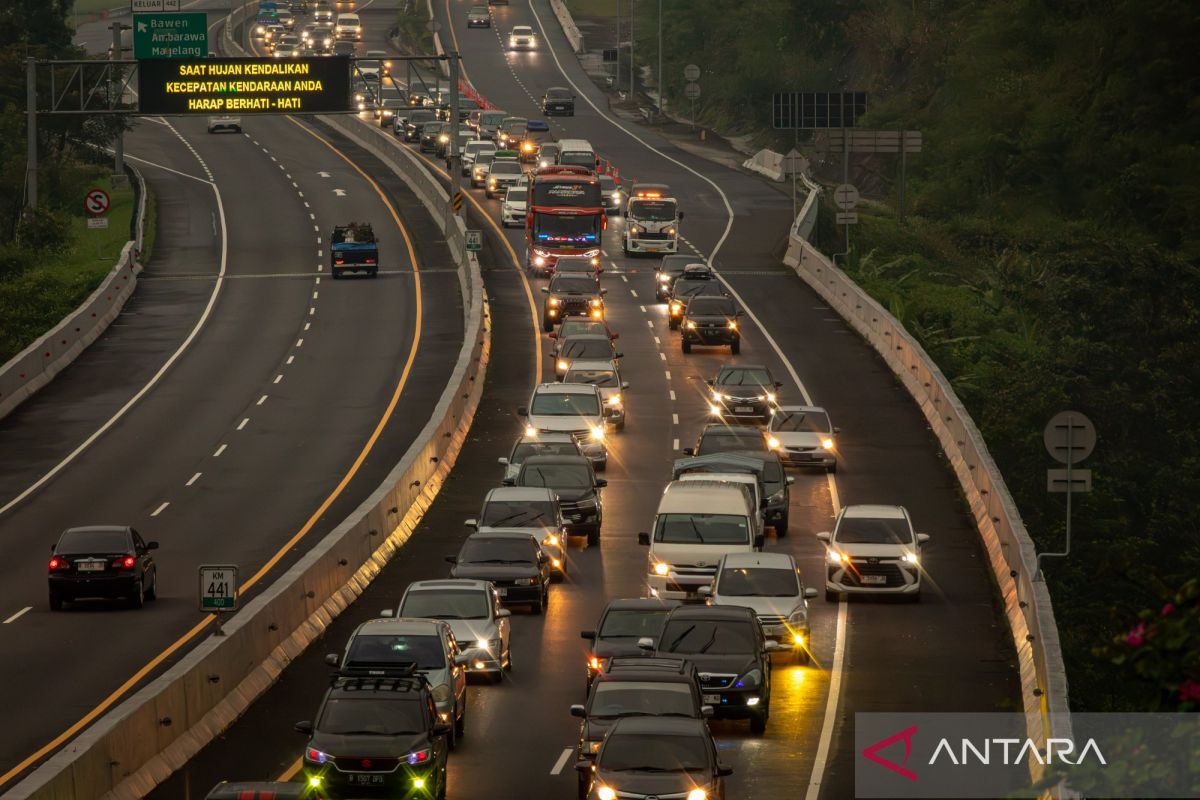
From cities to villages, millions of people move en masse in an annual tradition called mudik. Data from the Ministry of Transportation (Kemenhub) shows that cumulatively, public transport passenger movements from H-8 or 13 March 2026 until Eid al-Fitr Day totalled 10,887,584 people. This figure represents an increase of 8.58 per cent compared to the 2025 Eid transport period, which saw 10,027,482 people. Based on distribution by mode, the number of train passengers was recorded at 3,349,343 people, up 13.46 per cent from 2,952,055 people the previous year. Meanwhile, air transport served 2,397,192 passengers, a rise of 2.95 per cent from 2,328,551 people the previous year. Ferry transport recorded 2,664,004 passengers, growing 14.01 per cent from 2,336,619 people, followed by bus transport with 1,693,931 passengers, up 9.37 per cent from 1,548,874 people. This increase across all transport modes affirms that the momentum of Eid al-Fitr 1447 Hijriah, falling on 21 March 2026, is not merely a tradition but also an effective engine for driving the economy. It is a machine that brings benefits flowing from urban centres to regions, enlivening the economy of communities comprehensively. People returning to their hometowns naturally bring provisions as “sweeteners”, whether money or souvenirs, to share during the festive moments. The circulation of money, which has long been concentrated in big cities like Jakarta, shifts massively to the regions, creating a more even economic distribution.