
Eid al-Adha Traditions Across 8 Countries: From Pakistan to Morocco and Canada
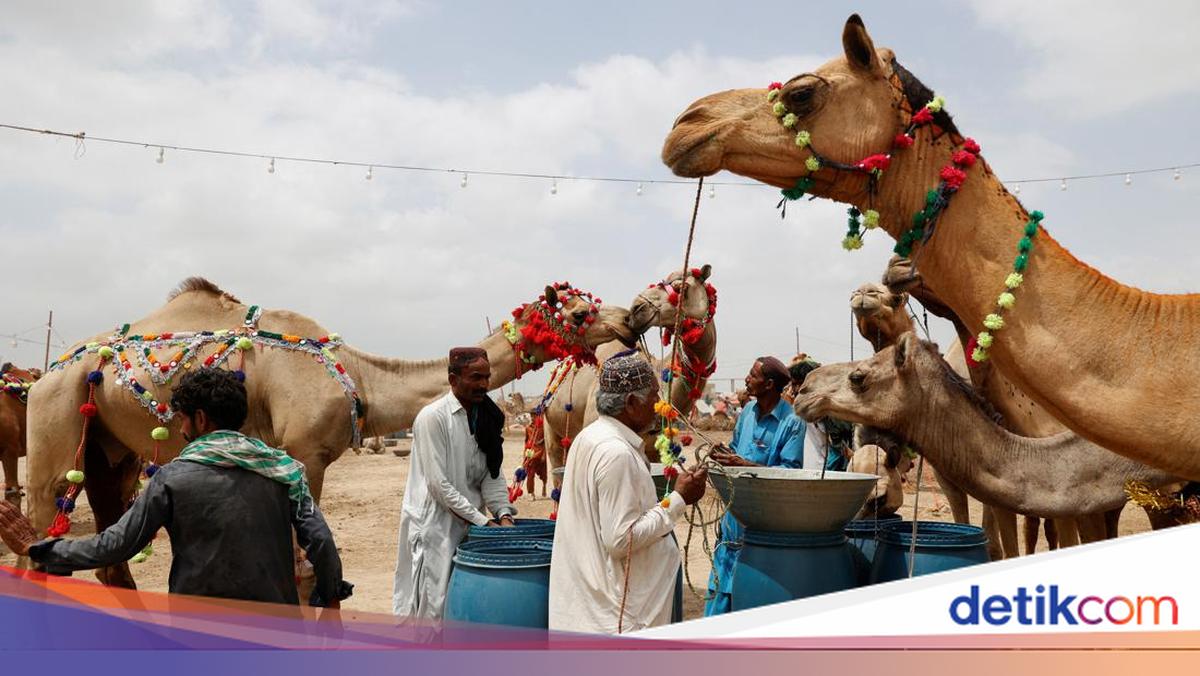
Eid al-Adha is not only a significant religious observance for Muslims but also brings unique traditions across the world. The festival, which includes animal sacrifice, family gatherings, and cultural festivities, is marked differently in various regions. Here’s how it is observed in eight countries:
- Saudi Arabia
One of the most prominent traditions is the sacrifice of camels. The meat is distributed to local communities and countries across Central Asia, South Asia, and Africa.
- Pakistan
Eid al-Adha spans four days and is an official public holiday. Men attend Eid prayers before returning home to sacrifice the animal, typically kept at home or in tents for apartment dwellers. The meat is shared with neighbours and visitors.
- United Arab Emirates
Celebrated over three to four days, Muslims visit family and relatives, exchange sweet treats, and children receive cash-filled envelopes.
- Tajikistan
After Eid prayers, families visit relatives. Children wear their best clothes and receive money and sweets. The sacrificed meat is prepared into meals, starting with fruits and biscuits, followed by main dishes of meat, and ending with desserts. Neighbours are welcome to join the feast.
- Canada
The Muslim Association of Canada organises carnivals, festivals, and sporting events during Eid al-Adha and Eid al-Fitr. Political figures often attend to extend festive greetings to the Muslim community.
- Iran
Unlike countries offering sweet treats, Iranian Eid dishes are savoury. Sacrificial meat is commonly prepared as kebabs or haleem—a slow-cooked dish with wheat or barley.
- Morocco
Preparations begin three days before Eid, with Muslims applying henna to the sacrificial animal’s horns as a symbol of goodwill. Livestock traders start selling animals a week prior to ensure suitability for sacrifice.
- Philippines
Eid al-Adha is a public holiday in predominantly Muslim regions, excluding major cities. After family gatherings, hosts place money under chairs, which becomes the property of whoever sits there.
These diverse traditions, while distinct, underscore a shared commitment to faith, generosity, and community across the global Muslim population.